Photo: Shutterstock/fotocvet
1 / 36
Winterize Roses
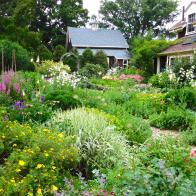
After the first killing frost wipes out tender green leaves across your landscape, prune shrub and hybrid tea roses to reduce height by at least a third — even more if roses grow in a windy area. It's important to shorten long canes so they won’t whip in winter winds and rock the entire plant, slowly loosening it in soil. In Zones 6 and colder, add 5 to 6 inches of mulch, leaves or straw around the base of rose plants in fall. For Zones 7 and higher, 2 to 3 inches of mulch is enough.
More on Winterizing Roses
More photos after this Ad
Photo: The Biltmore Company
2 / 36
Plant Spring Bulbs
By this point in the season, look for spring bulbs being sold at a discount. Look for bulbs that are firm to the touch with no signs of mold. Consider planting daffodils, which deliver reliable spring color and clumps that will increase in size over time. Choose varieties that flower at different times, and you can have daffodils in bloom for up to two months. Start with ‘February Gold,’ then ‘Tete-a-Tete,’ and then ones like ‘Ice Follies’ (shown).
Daffodils are critter-resistant; deer and rabbits both ignore them. The stems make excellent cut flowers that last long in a vase. These blooms follow the sun, so the flowers may not face your house all day. Knowing this, choose your planting spot carefully.
More on Planting Spring Bulbs
More photos after this Ad
Photo: The Flower Council of Holland/thejoyofplants.co.uk
3 / 36
Move Houseplants Indoors
If you still have houseplants outside, keep an eye on the forecast and be sure to move plants indoors before cold nights are here to stay. Many houseplants can withstand temperatures in the 40s, but once nights stay on the chilly side, it’s a good idea to move them inside. Spray any plants with insect issues with insecticidal soap to help reduce pest outbreaks indoors. Grab a hand truck to move large plants.
Remember to change your watering routine once plants are inside. Warmer, drier air may cause soil to dry faster, but to avoid overwatering, use your finger or a water meter to assess soil moisture before watering.
More on Moving Houseplants Inside
More photos after this Ad
Photo: Picture Partners
4 / 36
Compost Halloween Pumpkins
When trick-or-treating is over, scour neighborhood curbs for discarded pumpkins. Carved ones with seeds removed make ideal additions to the compost or vegetable garden. Simply chop the pumpkin into smaller pieces and bury it in your compost pile or garden. If pumpkins still have seeds inside, scrape them out before composting, unless you want pumpkins vines sprouting next spring. If you dry seeds and chop them in a food processor, they make great additions to winter birdfeeders.
25 Things You Can Compost
More photos after this Ad
Photo: Image courtesy of Ball Horticultural Company
5 / 36
Celebrate Pansies
Pansies keep the color coming all month long in all but the coldest regions. In mild zones, expect pansy plants to unfurl blooms through winter. Flowers develop best when nights are in the 40s and days in the 60s. The trick to a stunning show is to plant pansies in a tight space since growth is slower when the air and soil are cold. In the landscape, avoid planting pansies where they’ll be exposed to road salt or standing water. A well-drained location is the secret to overwintering pansies, especially in regions where snow cover melts in spring. Pansies with medium-size flowers generally survive a Zone 4 or 5 winter better than large-flowered varieties.
How to Grow + Care for Pansies
More photos after this Ad
Photo: Anna Stockton
6 / 36
Leave the Leaves
Removing every single autumn leaf creates a habitat desert for beneficial insects. Instead, plan to let some leaves remain in planting borders and beneath shrubs. Or try creating a leaf pile in the middle of your yard in an area where you won’t damage the lawn. Build a wattle fence or use fencing wire to create a cage where you pile in leaves. Many insects and spiders will take shelter here for winter. Do remove leaves along your foundation, though, to eliminate hiding places for insects or rodents seeking entry to your home.
More About Leaving the Leaves
More photos after this Ad
Photo: Julie Martens Forney
7 / 36
Get Garlic in the Ground
You can still tuck garlic into the soil up until a few weeks before the ground freezes. Plant the largest cloves, positioning them so that the top is 2" below the soil surface. Space cloves 6 to 8 inches apart to grow the biggest bulbs. Water after planting and continue to water weekly if rain is scarce. Mulch newly planted bulbs with straw or chopped leaves to insulate the soil and slow down freezing, which gives cloves a longer window to develop roots. If the ground freezes where you garden, mulch with 6 inches of straw or 4 inches of chopped leaves. For areas where the ground doesn’t freeze over winter, use a 2-inch-thick mulch layer.
More on Growing Garlic
More photos after this Ad
Photo: Gardener’s Supply Company
8 / 36
Water New Plants
Fall is an ideal planting time, as long as you remember to water newly added trees and shrubs before winter arrives. Adequate water before the soil freezes is key to helping new woody plants survive their first winter. If winter brings frozen soil without snow, give your tree a drink during any time temps are above freezing. One hose-less way to ferry water to a tree is with a water bag in a cart.
More on Fall Planting
More photos after this Ad
Photo: Photo by Mick Telkamp
9 / 36
Keep the Canner Handy
As long as fresh produce is available, maintain your canning momentum. Can carrots, pickles, jams and chutney using homegrown or locally raised crops. A trip to the apple orchard can yield jars of applesauce, pie filling or cider, all of which can be preserved using a boiling water canner. Don’t overlook old-fashioned garden clean-out favorites, like mustard pickle (featuring cauliflower, peppers and cucumbers) or chow-chow (which headlines green tomatoes).
Home Canning Tips for Beginners
More photos after this Ad
Photo: Image courtesy of Gardener's Supply Company
10 / 36
Protect Plants From Frost
To keep the vegetable garden yielding through chilly nights, cover plants with frost blankets made from spun polyester. Suspend covers above plants on a simple framework you purchase or create yourself. A frost blanket lets sunlight and water through but excludes frost and wildlife, including deer and rabbits. Frost blankets come in different thicknesses or weights that protect plants to so many degrees. Read labels carefully to get the protection you need.
How to Build a Hoop House
More photos after this Ad
Lift Dahlia Tubers
After frost blackens foliage, dig dahlia tubers for winter storage in regions where they’re not hardy (Zones 7 and colder). Clip the remaining stems, leaving a short stub attached to the tuber. Dry tubers in the sun or a shed for several days until soil falls away. Gently knock or rub soil from tubers, shorten stems and store in sawdust or peat moss in a cool, dry place for winter. In the warmest regions, bulbs don’t need to be lifted. Just clip plants back after frost to remove dead leaves and mulch roots well for winter.
More photos after this Ad
Plant Amaryllis Bulbs
Tuck new amaryllis bulbs into soil and place them in a sunny window to encourage growth. Don’t plant bulbs too deeply; the top third of the bulb should protrude above the soil. Or try raising an amaryllis without soil, growing it in a vase atop a base of pebbles, where you keep the water level just below the base of the bulb. Watch for flower buds to appear and make a plan to stake the top-heavy stems. It takes from six to 12 weeks for flowers to open, so bulbs planted in early November promise a December display.
More on Growing Amaryllis
More photos after this Ad
Photo: Julie Martens Forney
13 / 36
Welcome Frost
Frost brings out the sweet flavor in many vegetable crops as plants convert starch to sugar as a form of botanical antifreeze. Sugar freezes at a lower temperature than starch, so the conversion process helps plants withstand frosty nights. Vegetables that defy frost via sugary chemistry include kale (shown), spinach and cabbage, along with root crops like carrots, parsnips, turnips and radishes. Leeks, broccoli, Brussels sprouts and cauliflower also transition to a sugary flavor profile when Jack Frost arrives.
14 Can't-Miss Cool-Season Edibles
More photos after this Ad
Photo: Julie Martens Forney
14 / 36
Store Garden Gear
Before hard freezes settle in as a daily norm, go through your garden and remove or cover anything that catches and holds water. For small items like a rain gauge, butterfly bath, pot fountain or small birdbath, it’s easiest to store these items in a shed or garage. Take this opportunity to clean items thoroughly of any algae or other dirt. Drain all water before storing. For fountains or statues too large to move, drain water and cover before winter snows arrive.
More on Winterizing in the Yard
More photos after this Ad
Photo: Walters Gardens, Inc.
15 / 36
Add Mulch
In colder regions, mulch around plantings after the ground freezes, aiming for a 3-inch-thick layer. Mulch insulates soil, which limits temperature swings and can help prevent frost heave, where freeze-thaw cycles in soil literally push plants out of the soil. Plants like coralbells (shown), small bulbs that are planted shallowly, iris and newly planted perennials frequently experience frost heave. Mulch around these plants, taking care not to bury the crown of perennials.
More photos after this Ad
Photo: Photo by Julie Martens Forney
16 / 36
Clean Up Fruit Trees
Help keep fruit trees healthy and strong by cleaning up in the fall. Start by gathering any fallen or mummified fruit. Fruits offer winter harbor for all kinds of disease organisms and also a few pests. To help prevent future problems, gather fruits and dispose of them. Prune and destroy any diseased branches. Rake and destroy any diseased leaves. Keep the base of fruit trees open and clear, trimming grass, pulling weeds and not piling mulch against the trunk. Follow this approach on all fruit trees — edible and ornamental.
More photos after this Ad
Photo: Julie Martens Forney
17 / 36
Savor Seed-Sown Herbs
In regions where autumn is mild, you can still sow seeds for late crops. Herbs like dill, parsley, cilantro and borage (shown) all thrive in fall’s chillier air. Borage brings the added bonus of edible blooms that can really dress up holiday salads and desserts. For vegetables from seed, try peas, radish, turnip, beet, carrot or greens, including kale, collard and mustard.
More Fall Gardening Ideas
More photos after this Ad
Photo: Ball Horticultural Company
18 / 36
Fill Pots for Fall
Pull and compost spent or frosted warm-weather annuals, swapping them out for some cool season color. Pansy, flowering stock and sweet alyssum are traditional fall favorites, along with flowering kale (shown) and cabbage. This cold-weather beauty earns its name because the colorful leaves unfurl to resemble a flower. Leaves offer a variety of shades, including green, white, pink, red and purple. Brightest hues develop when night temperatures dip below 59° F. Whether planted in pots or planting beds, the thick leaves shrug off frost and early snows with ease. In mild winter regions where temperatures stay above 5° F, flowering kale looks great until spring. This pot features ‘Yokohama Mix’ flowering kale.
More on Winter Container Gardens
More photos after this Ad
Photo: Julie Martens Forney
19 / 36
Start a Compost Pile
Fall leaves provide the perfect material for starting a compost pile or filling an existing one. Alternate layers of chopped autumn leaves with green material, such as the leaves of tropical plants like elephant ears (shown). Other great sources of green material include canna leaves and stems, annuals, contents of container gardens or finished vegetables, such as pepper plants or squash vines.
The Different Ways to Make Compost
More photos after this Ad
Turn Off the Waterfall
In coldest regions, shutting down a waterfall for winter makes sense for several reasons: saving on energy costs, extending the life of equipment and avoiding ice dams. A running waterfall in winter cools pond water quickly and to a greater depth, potentially lowering water temperature to a point that’s unhealthy for fish. In place of a waterfall, add an aeration system to the pond for winter to increase air in the water.
Read This Before You Build a Pond
More photos after this Ad
Fix Lawn
In Zones 7 and warmer, aim to apply your last fall lawn feeding on cool-season turf around Thanksgiving. Lawns comprised of Kentucky bluegrass, perennial ryegrass, fine fescue and tall fescue fit this category. This feeding is the most important of the year. For a healthy lawn, this may be the only fertilizing you need. Many times this fertilizer is packaged as a “winterizer” product that contains slow-release nitrogen and potassium, which helps promote strong root growth before the ground freezes.
How to Fertilize Your Lawn in Fall
More photos after this Ad
Photo: Julie Martens Forney
22 / 36
Nurture Worms for Healthy Soil
Turn the soil in your vegetable garden to expose overwintering pests to cold air and predators, both of which can help control future pest outbreaks. Use a tiller, broad fork or hoe to break up soil and turn it over. This will also destroy earthworm tunnels, but you can encourage and nourish worms by adding a layer of chopped leaves to the soil. The leaf layer insulates soil, allowing worms to stay active longer in upper levels of soil. Planting a cover crop like winter rye, buckwheat or hairy vetch also provides terrific habitat for earthworms and other soil organisms.
More photos after this Ad
Photo: Photo by Debbie Wolfe
23 / 36
Prep Power Tools for Winter
Empty all gas-powered tools before winter arrives, including the mower, string trimmer and edger. Once the mower tank is empty, take time to clean beneath the chassis, scraping off dirt and dried grass. Pull the spark plug, and change the oil and air filter as needed. Sharpen the blade.
Schedule your riding mower for service in the off-season to skip the spring waiting list. Most service providers offer discounts for winter mower service. Taking care of your mower now ensures you’ll be ready to start the spring mowing season without delays.
More on Lawn Mower Maintenance
More photos after this Ad
Photo: Julie Martens Forney
24 / 36
Dig Tender Bulbs
Dig bulbs, corms and rhizomes of crops that won’t survive winter where you live. The list includes canna (shown), elephant ears, gladiolus and tuberous begonias. In an ideal year, wait until frost kills the tops of plants. If frost is late, don’t wait to unearth these roots. Tackle the job while temperatures are pleasant. Cut off plant tops, unearth bulbs and trim roots. Place bulbs in a shady spot for a few days to jump-start the drying process. Once bulbs are dry, store them in peat moss or sawdust in a cool place for winter.
Storing Tender Bulbs for Winter
More photos after this Ad
Feed the Birds
Fill birdfeeders so that birds make a stop in your yard as they journey on to their winter feeding rounds. To attract the most diverse selection of birds, hang different types of feeders filled with different kinds of food. Suet feeders lure nuthatches, wrens, chickadees and woodpeckers, like this red-bellied woodpecker.
Stock thistle socks with niger seed to attract goldfinches. A mesh feeder stuffed with safflower seed beckons cardinals, titmice and finches. Ground feeder trays entice mourning doves, juncos, pine siskins and native sparrows. Deter squirrels with baffles or squirrel-proof feeders. They also tend to ignore safflower seed.
13 Ways to Attract Birds
More photos after this Ad
Photo: Fiskars.com
26 / 36
Make Leaf Mulch
Avoid letting leaves pile up on the lawn or you risk damaging the grass. Instead, chop leaves with a mower and bagger or leaf vacuum to create free mulch. Shredded fall leaves work well on informal planting beds, vegetable gardens and shade gardens. As leaves decompose, they add fantastic organic matter to soil. Slugs tend to like shredded leaves, so use caution applying them around slug favorites like hosta or leaf lettuce. Expect leaves to last for one to two growing seasons.
Use Fall Leaves for Winter Mulch
More photos after this Ad
Photo: Julie Martens Forney
27 / 36
Ripen Green Tomatoes
When that first frost is in the forecast, gather green tomatoes by the bucketful and lug them inside. Ripening green tomatoes is as easy as placing them on plates and waiting for the fruits to begin blushing. To prevent everything from ripening at once, store the tomatoes in a paper-lined box in a cool spot in your home. Add a paper cover to keep the fruits in the dark. Check them every couple of days until they start to color, then check daily. Speed up the ripening by shifting a few tomatoes to a warmer, brighter area of your home. Along the way, remove any ‘maters that start to rot. But most of all, savor those garden-fresh flavors while you have them.
How to Ripen Green Tomatoes
More photos after this Ad
Build a New Garden Bed
If a new planting area is in your garden future, start the bed this fall using lasagna gardening techniques. Similar to hugelkultur methods, lasagna gardening works by layering materials to create a planting bed. It’s an easy way to build a bed atop a lawn without removing sod. Start with a layer of cardboard or wet newspaper (three sheets thick) placed directly on grass. Follow with layers of organic matter such as shredded leaves or spent garden crops, mushroom compost, grass clippings and straw. Make each layer 4 to 6 inches thick. By spring, the materials will have composted in place, creating a foundation for planting.
What the Heck Is Hugelkultur?
More photos after this Ad
Continue Mowing
In cold regions, mow the lawn until a hard freeze stops the grass from growing. It’s a good idea to give the lawn a final cut that’s on the shorter side, especially in regions where snow remains piled on turf through winter. A shorter lawn is less likely to develop snow mold. You may still want to mow over leaves after the grass-mowing season is done. Just be sure not to mow when grass crowns are frozen or you risk damaging your lawn.
When To Stop Mowing Your Lawn
More photos after this Ad
Pick Citrus
In citrus country including the desert Southwest, November kicks off harvest season. Watch for citrus crops to start ripening, including lemon, lime, orange, kumquat and grapefruit. Pick only what you know you’ll use immediately, and leave the remaining fruit on the tree to continue ripening. The longer fruit stays on a tree, the sweeter it becomes. Gather and destroy fallen fruit that’s overly soft or rotting.
How to Save Citrus From Frost
More photos after this Ad
Photo: natureandbirdlady
31 / 36
Warm Up the Birdbath
Provide fresh water for birds through winter by installing a bird bath heater or heated birdbath. It’s best to tackle this job before seriously cold weather arrives to make fiddling with cords and connections easier on your hands. It’s also easier to fill a birdbath while your hose is still connected. Keep the birdbath filled through winter, topping off when necessary. Most heated birdbaths have an internal thermostat that cycles on and off as needed to keep the water from freezing.
The Value of Birdbaths
More photos after this Ad
Photo: Julie Martens Forney
32 / 36
Protect Bark on Young Trees
As food sources become scarce, rabbits, mice and voles can make quick work of bark on unprotected trees and shrubs. Install tree guards around young tree trunks, and surround shrubs with hardware mesh. In areas where the ground freezes, get these structures into place before soil is frozen solid. You can also try to attract raptors like owls and hawks, which prey on these mammals, by installing artificial perch poles.
11 Reasons We Love Trees
More photos after this Ad
Photo: Photo by Dan Lipe
33 / 36
Tidy Garden Tools
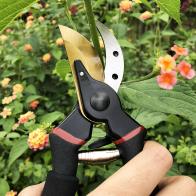
As you put away garden tools for the season, take time to clean and organize your gear. Clean cutting blades with rubbing alcohol, and sharpen cutting edges. Use a file to sharpen trowels, spades and shovels. Remove any rust with steel wool. Once rust is gone, rub machine oil into the blades with a rag to keep rust at bay. Go through your tools and plan to donate any you no longer use. Community or school gardens are a great place to share extra garden tools.
Garden Tool Maintenance Tips
More photos after this Ad
Photo: Western Plows at WesternPlows.com
34 / 36
Gather Snow Gear
Move snow shovels from the garden shed to your garage or home so they’re easy to grab when that first snowfall arrives. Start your snow blower to ensure it’s good to go. Lay in a supply of plant- and surface-friendly ice melt. Store at least a small amount in an area that’s easily accessible, such as the house or attached garage.
The Best Snow Shovels
More photos after this Ad
Photo: Craig Lewis for U.S. Fish & Wildlife Service at FWS.gov
35 / 36
Deter Deer
Deer start eating woody ornamentals as soon as hard freezes kill off greenery. Treat their favorite ornamentals with repellent early in the season. Plantskydd works well as a winter-long deterrent for deer. Follow directions carefully regarding the temperature when you apply it and the drying time. It’s also a good idea to toss bird netting over plants they tend to devour, including things like hydrangea, blueberry or yews.
How to Deter Deer in the Garden
More photos after this Ad
Photo: Photo by Debbie Wolfe
36 / 36
Try a Living Holiday Tree
If you plan to have a live Christmas tree to plant in your yard after the holiday, dig the planting hole now, before the ground freezes. Fill the hole with leaves, and cover it with a tarp. Stash soil you removed from the planting hole in bags, and store it where it won’t freeze. Keep your live tree indoors for just two to three days before shifting it outside for planting.
How to Plant a Tree