The Ultimate Guide to Fall Gardens
Three of HGTV's gardening experts put together this guide on fall garden prep to tackle in the summer.

Jane Colclasure/P. Allen Smith

Sure, you're still picking tomatoes and basil out of your summer vegetable garden every day and making salsa and pesto every night. But it's time to start planting your fall garden.
That's right. It's blazing hot, you recently celebrated July 4 and fall feels like a distant rumor as you sip a cold one on the porch in your flip-flops.
But you need to be thinking about your fall vegetables and even spring flowers while you're enjoying your summer ones. The goal is to give crops time to mature and produce a harvest before your first frost (although some crops like collards and Brussels sprouts actually have the best flavor after a light frost). For most gardeners, that means planting seeds as early as July; even for areas with mild winters, as it's not just temperature that affects growth, but day length and light as well.
Beyond just keeping the lawn mowed and flower beds weeded – and of course planting daffodil bulbs and colorful (and nutritious) kale - here are a few key fall garden tips we can do now, maybe over the Labor Day weekend (in between excuses), to help us enjoy our gardens more later.
In This Article
- Lawns Need Late-Summer Attention
- Re-Adjust Potted Plants
- Remove Summer Crops ... or Don't
- Gather Fallen Fruit
- Start a Compost Pile
- Set Your Sights on Spring
- Care for Tools and Equipment
- Look for Bargains
- Plant Vegetables Earlier Than You (Probably) Think You Need To
- Know How Long It Takes for Fall Vegetables to Ripen
- Plant These Fall Vegetables Early
- Plant These Fall Vegetables Later
Lawns Need Late-Summer Attention
Next spring’s lawn weeds can be headed off if we take care of and thicken up the lawn before it starts to go dormant this fall. Here's what to do:
- Fertilizer: Apply a high-potassium winterizer fertilizer soon, to help the lawn prepare ahead of time for its upcoming dormant season.
- Herbicide: Folks in the warmer parts of the country can actually apply a preventive herbicide to kill cool-season weed seeds as they sprout, rather than wait until the stuff is up and growing to try to kill them with sprays that may harm other plants.
- Ground cover: If you overseed your lawn for the winter with rye grass or other cool season grasses, get it done early enough for the seed to sprout, grow deep roots and get established before cold weather sets in.
- Mowing: Plan now to mow rather than rake fall leaves, as long as you can, as a healthy way to “feed” the worms that take the leaf matter down deep into the lawn and tree roots.
- Raking: When leaves get too thick to mow into oblivion, rake, blow or bag them for the compost or leaf pile later.

Photo by Julie Martens Forney
Re-Adjust Potted Plants
Fill your pots with fall plants, reaching for cold-hardy perennials and annuals. And here's a tip: layer spring bulbs underneath. Add height in the back of the planter (lavender or Dusty Miller are great picks), eye-catchers in the middle (such as cabbages) and trailers in the front (such as ivy). You can think about re-using cut summer flowers; for example, you can stick in long, cut hydrangeas in for height and they will dry in place.
Bring tropical potted plants indoors. The warm, moist soil of potted tropical plants is ideal for ants and other small critters to snuggle into for fall; keep unwanted hitchhikers from being brought in by flushing the soil with several waterings, a few minutes apart. Clean up faded or dead leaves, spray the undersides of remaining foliage with clear water to remove any spider mites or other lurking pests, and apply fresh mulch to the soil surface to prevent tiny potting soil-eating fungus gnats from swarming in the house later.
Remove Summer Crops ... or Don't
Whether or not you need to pull up summer plants to replace them with fall ones depends on your climate, space and priorities. In some areas, tomatoes and peppers will keep producing into early fall, so if you have space, leave them be while you get your cool-season crops started. Other summer crops, such as winter squash, may need more time to continue maturing.
On the other hand, if having a fall broccoli crop is everything to you, pull up the tomato plants and get those slower growing broccoli starts in the ground now. If you do switch out tired summer plants and replace with fall crops, take the opportunity to add some fresh compost or other organic material to the area.

Photo by Julie Martens Forney
Gather Fallen Fruit
One key step in garden clean-up is to gather fallen fruit. This includes crabapples, pears, even tomatoes from the vegetable garden. Fruits offer safe winter harbor for all kinds of disease organisms and also a few pests. To help prevent future problems, gather fruits and dispose of them.

Photo by Julie Martens Forney
Start a Compost Pile
You can buy a composter, although many container-based systems work best for small amounts of material. For larger yards, make your own compost bin—you can find plenty of design ideas online. Once frost turns tropical ornamentals to toast, add them to your compost pile. For large-leafed plants like elephant ears and cannas, chop stalks into smaller pieces so they’ll break down more quickly. Layer these green (and mushy) plants with drier, brown material, like chopped leaves. Take time to clean all spent plant material in the vegetable garden. If your tomatoes look like this from a blast of late blight, do not add them to the compost pile. Avoid adding any diseased plants to your compost pile unless you turn it regularly and know it heats up. If your pile sits and quietly decomposes, it’s not hot enough to kill disease organisms. Bag diseased plants and put them out for trash pick-up.

Photoby Lisa Francis, courtesy Missouri Botanical Garden
Set Your Sights on Spring
The spring flower show you love starts with fall planting. Tuck tulips, daffodils, giant alliums and crocus into beds this fall for flowers next spring. The right time to plant is when night temps hover in the 40s-50s range. Cover bare soil after planting with a loose mulch of chopped leaves or a piece of chicken wire to deter digging squirrels. This is also the time to plant summer bulbs, like Oriental or Asiatic lilies.
Care for Tools and Equipment
- Cleaning: Clean tools thoroughly before putting them away for the winter. Wash off caked dirt, and coat both metal parts to prevent rusting, and add linseed oil to wooden handles to keep them from drying out and cracking. Double check what you used this season to see if any needs replacing over the winter.
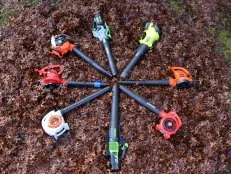
- Power equipment: Drain gas from power equipment engines to keep them from gumming up and causing problems when cranking the first time next year. Loosen the spark plug, add a drop of oil to the firing end, and replace. Check air filters to make sure they are clean.
- Test your soil: Finally, if you don’t know whether your soil is acidic or alkaline, or to find out if your garden has any nutrient deficiencies—or if you are overdoing it already—take a soil sample to your county Extension office to send off for testing. While there, pick up any publications you may want on pruning, plant selection, pest and diseases, or other interesting fact sheets.
- Reorganize: Reorganize and neaten the tool shed it before winter. Most unused insecticides and fungicides quickly lose strength after first being opened—safely discard those you won’t be saving until next year.

Photo by Julie Martens Forney
Look for Bargains
Places like big box, farm supply, and department stores that carry seasonal garden items usually start marking them down by end of summer. Scope out bargains on things you know you’ll use, including gloves, watering wands and hose reels. Seeds dated for the current year will still give good yields next planting season, and bagged soil, moisture granules and slow release fertilizer can easily be held until the following garden year, so stock up on these items while prices are good.
Plant Vegetables Earlier Than You (Probably) Think You Need To
By the time most gardeners start thinking about a fall garden, it's already too late to grow one. To get a good harvest of cabbages, carrots, broccoli and other late-season vegetables, you'll need to start many of them at the peak of summer. That means you'll put be putting out transplants or seeds before the kids are even back in school.
You can plant some fast-growing fall veggies like radishes, spinach, and lettuce as late as September, but other veggies like carrots, cabbage and broccoli need a couple of months to mature.
When in doubt, plant your fall crops early, because once that first frost comes, it's all over. Whether you start seeds indoors or sow directly outdoors depends on your available space.

How to Plan a Vegetable Garden
HGTV can make vegetable garden planning less intimidating with tips on garden design and suggestions on how to choose vegetables to grow.
Know How Long It Takes for Fall Vegetables to Ripen
Each type of fall vegetable has a general time period from seed to harvest. That means you can time how long it will take to go from carrot seed to carrot, or from broccoli start to spear.
Look on the seed packet or starter plant tag for these words: "Days to Maturity.” That's how long it will take your plant to produce the desired harvest. While the days to maturity may vary by your specific environmental conditions, it's a reliable estimate of how long your growing season needs to be.
Plant your fall vegetables so that the crops you choose have time to reach maturity before the first frost in your area. Find your first frost date, then count backward based on days to maturity for each type of veggie you want to grow. That's your ideal planting date.
The frost date isn't necessarily the end of the season, though. Many fall crops, including collards, parsnips, and Brussels sprouts, can stand a frost and even a light freeze.
Now that you've made space for fall vegetables in your garden plot and planned for an adequate growing season, it's time to pick which crops to plant.
Plant These Fall Vegetables Early
You'll need to plant these slow growers early in the season, to give them time the 9 to 12 weeks they need to reach maturity.
You can grow broccoli from seed or with transplants bought at a garden center.
- Place broccoli transplants about 2 feet apart in the garden.
- Depending on conditions, broccoli will be ready to harvest in 10 to 12 weeks.
- Pick florets before they yellow.
- Use a sharp knife to cut about six inches below the floret head.
- Light needs: Full sun
Brussels sprouts are in the cabbage clan and a good pick for a fall garden.
- Place transplants 12 to 14 inches apart. (Add 20 days to your harvest calculations if you grow from seed outdoors.)
- Stake the plants when they hit 6 inches tall. They'll get 2 to 3 feet tall, so they're big plants and will need support when full of Brussels sprouts.
- Brussels spouts grow along the main stem, from the bottom up. Cut them off when big enough to eat.
- Light needs: Full sun
The trick to growing cabbage is steady, uninterrupted growth so the heads have time to mature.
- Place transplants in garden 12 to 24 inches apart, depending on variety. Bury 1 to 2 inches of the main stem in the soil to produce a stronger anchor for the mature head.
- Cabbage needs consistent moisture to produce good, full heads. Water regularly, applying 1 to 1-1/2 inches of water weekly if it doesn't rain.
- They will make a head in 6 to 8 weeks, but wait till the head is full before harvesting. Squeeze the head to be sure it's firm and full of leaves before cutting and cooking it.
- Some cabbage can be stored on the stem in the garden for weeks after the head are mature.
- Light needs: Full sun.
Carrots
Carrots are super simple to grow as long as they have loose, sandy soil. Heavy, rocky soil yields freaky looking carrots.
- Plant seeds directly into the garden.
- They're slow to germinate. You won't see seedlings for 2 to 3 weeks.
- When seedlings are 2 inches tall, thin to 2 or 3 inches apart.
- Water 1 inch per week to start, then 2 inches per week as roots mature.
- Harvest when you see the shoulders of the carrot root above the soil. Carrots harvested earlier are sweeter and more tender, so don't leave them in the ground too long.
- Light needs: Full sun.
Cauliflower needs consistently cool temperature or it will bolt, so it can be a challenge to grow for gardeners in warmer climates.
- Set out nursery transplants in the garden, spaced 12 inches apart, 6 to 8 weeks before the first frost date. Cauliflower is hard to start from seed, so you'll do better buying small plants from a garden center.
- Water 2 inches per week if no rain.
- Heads will be ready to harvest in 50 to 100 days, depending on variety.
- Cut heads off the plant with a large knife.
- Light needs: Full sun
Collards
Start collards from transplants, because growing them from seed is tricky and slow.
- Set out transplants in the garden and space them 18 to 24 inches apart.
- Collards need a lot of water, so give them 1-1/2 inches of water weekly if it doesn't rain.
- Harvest leaves when they're dark green and at least 10 inches long. Old leaves can be tough and stringy.
- Cut the leaves from the outside of the plant, leaving the middle leaves to continue to grow.
- Light needs: Full sun to part shade

16 Vegetables You Can Plant Now for Fall Harvest 16 Photos
Just as the summer garden gets in full swing, it's time to start thinking about fall. Here's a list of 16 vegetables you can plant in mid to late summer for a fall harvest.
Plant These Fall Vegetables Later
These speedy-growing vegetables mature in 8 weeks or less, meaning you can plant them later in the season and still have a harvest by frost. They're all cool season crops, which means they don't like summer's heat, another reason to wait a bit to plant them. To keep yourself supplied in fresh-picked vegetables throughout the fall growing season, consider succession planting, where you plant seeds or transplants every few weeks so you always have a fresh crop on the way.
Arugula has a peppery taste that's great in salads. Sow seeds directly in the ground.
- Seedlings emerge in 7 to 14 days.
- Arugula will be fully grown and ready for harvest in 3 to 4 weeks.
- Cut leaves when they're large enough to eat. Remember, the earlier you harvest them, the more tender and sweet they are.
- Light needs: Full sun to part shade
Beets are high in fiber, full of vitamin C, and you can eat the greens as well as the roots.
- Place beet starter plants in the ground 3 to 4 inches apart.
- Beets will be ready to harvest in 4 to 6 weeks.
- Pull them up as soon as they're at least golf ball-sized. The sooner you harvest them, the better they taste. Old beets are nasty, bitter and tough.
- Light needs: Full sun
Kale is very cold-tolerant and can be grown year-round in many zones. Cold temperatures give it a sweet, nutty flavor.
- Set out starter plants.
- Kale grown from transplants will be ready to harvest in 4 to 6 weeks.
- Cut leaves from outside the bunch as soon as they're large enough to eat.
- Light needs: Full sun to part shade
Mustard Greens
Mustard greens aren't as frost-hardy as their cousins collards and kale, but they're just as easy to grow and nutritious.
- Place starter plants 12 to 18 inches apart.
- Plants will have edible leaves in about 4 weeks.
- Cut leaves from the outside of the plant to harvest.
- Light needs: Full sun to part shade
There are winter radishes and spring ones; plant winter radishes in your fall garden. 'China Rose' and 'Long Black Spanish' are good varieties.
- Sow seeds directly into the ground. They prefer loose dirt for best root formation. And it's the root you eat, so this matters.
- Seedlings emerge in 7 days.
- Thin seedlings to allow room for root growth
- Radishes will be ready to pull up and eat in as little as 3 weeks and as long as 6 weeks, depending on variety
- Light needs Full sun
Spinach is super cold hardy, so you can leave it in the ground a long time into the winter
- Sow seeds directly into the soil.
- Thin seedlings to 3 to 4 inches apart.
- Harvest when leaves reach the desired size. There will be leaves ready to eat in as little as 4 weeks.
- Light needs: Full sun
Eat the roots and leaves of this root veggie that's been cultivated for thousands of years.
- Sow seed directly into the ground.
- Seedlings emerge in 5 to 12 days.
- You can harvest and eat turnip leaves in as little as a month. You'll need to wait 2 to 3 months to harvest the roots.
- Light needs: Full sun