Photo: SHAIN RIEVLEY
1 / 40
Keep Up With Harvest
The August garden delivers full baskets of sun-ripened goodness. Ideally, it’s good to do a daily or every-other-day check on your vegetable garden to ensure you’re picking produce at the best stage for use and/or storage. Summer squash tastes best when it’s small and flesh is tender; the same is true for cucumbers. Peppers change color as they ripen, becoming either hotter or sweeter the longer they’re on the plant. Gather and dispose of produce that’s damaged, diseased or overripe to avoid attracting insects and four-legged pests.
More photos after this Ad
Plant Fall Crops
Look around your vegetable or flower garden for pockets where you can tuck in a fall crop of quick-yielding cool-season favorites like leaf lettuce, radishes or green onions. It’s also time to add kale, broccoli, cauliflower and cabbage transplants. If you love greens, plant collards, mustard greens, Swiss chard, spinach or arugula. Asian greens, such as mizuna, daikon radish, tatsoi, bok choi or Napa cabbage also thrive in autumn growing conditions.
Discover Veggies to Plant in Late Summer
More photos after this Ad
Photo: Julie Martens Forney
3 / 40
Add Heat-Tolerant Color
If your summer garden color fizzles as the temperature sizzles, visit your favorite garden center or public garden to see what plants they have in bloom now. Plan to make room for a few of these summer stalwarts. Good choices include black-eyed Susan, Russian sage, coreopsis, hibiscus and chaste tree (Vitex), shown. Despite being called “tree,” Vitex is a shrub with purple flowers that beckon pollinators like crazy. Look for dwarf varieties developed to suit smaller yards and planting areas.
Learn How to Grow Black-Eyed Susan
More photos after this Ad
Start Preserving
In the heart of winter, nothing tastes as good as fresh-from-the-garden fare. Transform summer harvest into long-lasting deliciousness through canning. Explore tried and true recipes and techniques online at The National Center for Home Food Preservation. Focus on recipes that your family will enjoy. Easy things to try include pickles, cucumber kimchi, hot sauce and jams. If you have a bumper tomato crop, consider canning salsa, spaghetti sauce, tomatoes or spicy tomato juice.
Learn the Basics of Canning
More photos after this Ad
Photo: Julie Martens Forney
5 / 40
Protect Squash
To prevent rot on ripening winter squash and fall pumpkins, gently slide fruits onto a support, such as a piece of terra-cotta, styrofoam or wicker. The goal is to keep the ripening squash or pumpkin from sitting directly on wet soil. If hungry critters visit your garden, cover squash and pumpkins with netting.
This turban squash is an Italian heirloom: Marina di Chioggia. The green skin covers brilliant orange flesh. Traditional uses for the sweet flesh include pasta (ravioli or gnocchi), soup or pies. In the streets of Chioggia, vendors sell hot slices of this squash grilled with olive oil.
Check Out 20 Incredible Squash Varieties
More photos after this Ad
Focus on Crocus
Love spring crocus? Check out its fall flowering cousin, autumn crocus (Colchicum autumnale). This plant is actually a lily; it grows leaves in spring that die back in early summer. Blooms open in early to mid-fall, when no leaves are present. Autumn crocus does best in full sun to part shade and grows 7 to 12 inches tall. The right time to plant these bulbs is as soon as you see them for sale: usually mid- to late summer. If possible, tuck them among hardy geraniums, creeping thyme, ajuga or hardy vinca — plants that can help hide the dying leaves in early summer. Hardy in Zones 4-8.
Discover More Plants for Pretty Fall Color
More photos after this Ad
Photo: Julie Martens Forney
7 / 40
Dry Herbs
Before the growing season winds down, gather herbs for air drying. If harvesting leaves, cut stems as long as you can. Air-dry them in a single layer in a basket left in a warm, dry room. You can also bundle a few stems together with a rubber band and hang it upside down in a warm, dry spot. Store dried stems in tightly sealed containers in a cupboard, away from light. For best flavor, place entire stems in jars, removing leaves as you need them.
More photos after this Ad
Photo: Julie Martens Forney
8 / 40
Take Cuttings
To overwinter plants like coleus (shown), fuchsia, scented geranium or wax begonia, it’s easier to take cuttings and root them than to lug a large pot indoors. You’re also less likely to carry pests inside with small containers of rooted cuttings. Fill a few 3- or 4-inch-wide pots with potting soil, watering them well. Take 3- to 4-inch-long cuttings of green stems and, using a screwdriver to make holes, slip cuttings into moist soil and gently press soil firmly around the base of the stem. Place pots in a shaded spot, watering daily. New growth is the signal that cuttings have rooted.
More photos after this Ad
Photo: Julie Martens Forney
9 / 40
Deadhead Self-Sowers
Plants that self-sow aggressively in the landscape can be beautiful in bloom but a gardener’s nightmare if allowed to go to seed. Clip seedheads on plants that tend to self-sow heavily in your garden. Candidates include joe-pye weed (shown), goldenrod, boltonia, purple coneflower, comfrey, lemon balm, money plant or black-eyed Susan. Remove seedheads before seeds are fully dry and definitely before they become windborne or a heavy rain falls, causing the seeds to disperse.
Learn How to Grow Coneflower
More photos after this Ad
Photo: Shain Rievley
10 / 40
Remove Spent Veggies
When vegetable crops are finished, gently pull or cut them to get the dead plants out of the garden. Leave root systems behind to preserve beneficial soil organisms, including microbes, invertebrates and fungus. If plant tops aren’t diseased or insect-infested, add them to the compost pile. Some gardeners toss tops onto empty spots in the garden, letting them compost in place. Don’t do this if tops have diseases or pests.
More photos after this Ad
Photo: Dahlonega-Lumpkin County Chamber & Visitors Bureau
11 / 40
Dry Summer Blooms
Save the beauty of summer blossoms by cutting stems to dry. Air drying flowers is easy: Just hang stems upside down in a warm, dry place. A toasty attic, barn loft or shed works well, as does a closet. Air movement courtesy of an electric fan helps prevent mold outbreaks and speeds up drying. Flower color remains brightest on blooms dried in darkness. Blemish-free blossoms dry best. The ideal stage for drying varies by flower type. Blooms that dry well include lavender (shown), gomphrena, zinnia, roses, grass seedheads, statice, celosia, bells of Ireland, strawflower — and many more.
Learn How to Grow Lavender
More photos after this Ad
Photo: Washington Apple Commission
12 / 40
Gather Fallen Fruit
It’s important to pick up fallen fruits and nuts. This applies to everything from apples and pears to persimmons and figs. It’s also true for crabapples, walnuts and even acorns. Fallen fruit attracts all kinds of pests, including wasps, deer, raccoons and crows. These fruits can also harbor disease and help fungus and bacterial disease organisms overwinter to attack crops next year. Smaller fruits, like acorns or crabapples, create walking hazards as they roll easily underfoot.
Check Out These Low-Maintenance Apple Trees
More photos after this Ad
Photo: SHAIN RIEVLEY
13 / 40
Renew Mulch
Summer heat continues to build this month, so it’s a great idea to refresh mulch to help cool soil and slow water evaporation. Materials like grass clippings or straw break down quickly in warm regions and benefit from replenishing. If you take delivery of a load of bulk mulch in late summer, ask for freshly ground material. Otherwise, you risk getting mulch that has sat all season and may be full of weed seeds. Mulch that’s been exposed to summer sun and rains will also be partially broken down and may not last as long as you expect.
More photos after this Ad
Photo: Steve Rawls, Fredericksburg CVB
14 / 40
Sow Wildflower Seed
In warmer regions, late summer marks the season for sowing wildflower seeds, such as bluebonnets (shown), Indian paintbrush, gaillardia, coreopsis and Drummond phlox. Prepare the planting area by loosening soil 1 to 2 inches deep. Scatter seeds, then firm soil over top lightly with a rake or by walking on it. Water well and continue to keep soil moist until seeds germinate. By the time seedlings are up, fall rains should arrive and help the young plants establish.
More photos after this Ad
Photo: Photo by Julie Martens Forney
15 / 40
Fertilize Container Plants
If you spot light-green leaves on container plants, that means they could use some extra nutrition. At this point in the summer, any slow-release fertilizer mixed into soil at planting time is likely used up. Feed plants using either a water-soluble fertilizer or a slow-release product added to the top of soil and watered in. Any annual can show this issue, but you’ll frequently see it on fast-growing plants like this moonflower vine. It’s also commonplace when you’ve had frequent, heavy rains that basically wash fertilizer from soil.
Learn More About Container Gardening
More photos after this Ad
Photo: Photo by Debbie Wolfe
16 / 40
Don't Mow So Much
With the August heat, it’s a good idea to let the grass grow longer. Taller grass helps shade soil, which reduces water evaporation and helps crowd out weeds. Taller grass also has deeper roots, which yields greater drought tolerance. Learn what kind of turf you have, and check with your local extension office to determine the proper mowing height. Sharpen the mower blade to ensure you’re cutting and not tearing grass blades, which creates openings for disease organisms.
Get Lawn Mower Maintenance Tips
More photos after this Ad
Photo: Julie Martens Forney
17 / 40
Prune Berries
After harvest, prune caneberries, including raspberries, boysenberries and blackberries. For June-bearing varieties, cut any canes that formed fruit this year to ground level. These stems won’t fruit again, and removing them helps pave the way for next year’s stems. Mulch stems in autumn, before the ground freezes. If you’re expanding your patch, consider thornless varieties for prickle-free picking.
Learn How to Grow Strawberries
More photos after this Ad
Photo: Julie Martens Forney
18 / 40
Know When to Water
Many plants, even ones in moist soil, have wilted leaves during the peak heat of the day. Squash vines are a common example. The large leaves tend to wilt on a hot day because water loss through leaves is greater than water uptake by roots. The key to knowing if a plant is truly in need of water is to check in early evening. Leaves on a well-watered plant should revive when the sun is no longer shining on them. If leaves stay wilted into the evening, give the plant a deep watering.
More photos after this Ad
Photo: National Garden Bureau
19 / 40
Know When to Harvest
When an ear of corn is ripe for picking, look for two signs: brown silks and milky juice when you pierce a kernel with your fingernail. Watery juice means under-ripe corn; pasty kernels indicate overripe ears. For the most tender green beans, pick when pods are as thick as a pencil. Cantaloupe that’s ready for the table has netted skin and fruits that slip easily from the vine. The stem end will separate a bit from the fruit, with an appearance similar to a raised, cracked cake. Pull carrots when roots are the size of a quarter or smaller.
Learn How to Grow Corn
More photos after this Ad
Photo: PerennialResource.com
20 / 40
Divide Iris
Late summer is an ideal time to dig bearded iris for dividing. Bearded iris typically needs to be divided every three to five years. Cut leaves back to 6 inches, snipping into a fan shape. Dig the fleshy roots called rhizomes. Keep the new rhizomes and shoots on the edge of the central "parent" rhizome, which can be discarded since it won’t likely flower again. Spongy rhizomes may well have holes and iris borers. Extract these pests and put them in a dish for birds to devour. Toss any borer-infested rhizomes. Before replanting rhizomes, mix superphosphate or bone meal fertilizer into the soil. Water well after planting and again every seven to 10 days until autumn rains begin.
Discover How to Grow Iris
More photos after this Ad
Photo: Julie Martens Forney
21 / 40
Get the Tastiest Tomatoes
The secret to the sweetest tomatoes is to let fruits ripen on the plant as long as possible. If your goal is to grow the most flavorful tomatoes, check out beloved heirloom varieties. This trio of heirloom tomatoes is Mortgage Lifter, Yellow Brandywine and ‘Black Krim,’ a variety that hails from the Crimean Peninsula and typically places near the top in tomato taste tests. Cherry tomatoes are an exception to the ripen-on-the-vine rule. If you let these tiny fruits remain on plants too long, they tend to crack, which makes them spoil faster.
Try These Tips for Growing Tomatoes
More photos after this Ad
Fertilize Houseplants
Whether houseplants are indoors or outside for the warm weather, summer is a time of intense growth. That means it’s important to feed houseplants regularly. Using a water-soluble fertilizer is an easy approach because it lets you control how much food plants are receiving. Feed plants every two weeks with an all-purpose 10-10-10 product mixed to full strength.
Get More Fertilizing Tips
More photos after this Ad
Photo: Johnson Landscape & Pools
23 / 40
Plant Mums
Mum season is nearly at hand, so it’s time to unravel the mystery: Are garden mums hardy? Typically two types of mums are sold. Garden mums, which are treated as annuals, are the brightly colored pots sold in-bloom in the fall. These mums provide temporary, seasonal color until they’re finished flowering when they make a great addition to your compost pile. Hardy perennial mums go into the ground in autumn or spring, and they behave like other perennials, returning year after year to grace the garden with color.
Learn How to Grow Chrysanthemums
More photos after this Ad
Photo: Ball Horticultural Company
24 / 40
Water Smart
To keep watering from becoming your full-time summer side hustle, avoid watering between 10 a.m. and 6 p.m., the hottest part of the day. During this time, more water evaporates than actually soaks into soil. Double-check sprinkler heads to make sure plants — now fully leafed out — aren’t blocking or limiting water delivery. If necessary, trim offending plants so water goes where you need it.
More photos after this Ad
Photo: Tomas Espinoza
25 / 40
Clean Tools
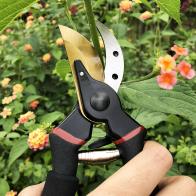
Whether you’re using a garden fork, spade or pruners, take time to clean tools after each use. Rinse off any soil, and dry using a soft cloth. To prevent rust and lubricate moving parts, oil metal parts with 3-in-one oil or a plant-based oil like linseed or camellia oil. This helps prevent rust and keeps tools ready for the next time you need them. Wipe off pruners using rubbing alcohol, which cuts through sticky sap with ease and helps kill disease organisms.
Learn How to Clean Garden Tools
More photos after this Ad
Prep Hibiscus
For potted tropical hibiscus that will spend winter indoors near a sunny window, it’s time to start preparing for the big move. If your plant has increased dramatically in size over the summer, plan to prune it by the end of the month. Remove up to one-third of the plant, either by selectively removing specific branches (cut back to soil level) or pruning the entire plant to reduce height and spread. Once indoors, as long as a hibiscus receives some sun, it will sprout and regrow pretty quickly.
Get Tips for Growing Hibiscus
More photos after this Ad
Photo: Photo courtesy of Ball Horticultural Company
27 / 40
Plant Pansies
As soon as you see pansies for sale at your favorite garden center, take stock of your landscape. Pansies pack a punch of long-season color, lasting from early to late autumn in many regions. They make the perfect go-to replacement for spent summer annuals. In colder regions, buy the largest size pansies you can find, since cool days slow growth. Plant in large swaths of individual colors for a polished look. Use mixed hues to create a more rustic patchwork.
Learn How to Grow Pansies
More photos after this Ad
Photo: Julie Martens Forney
28 / 40
Clean and Cure Onions
Curing is the key to transforming freshly harvested onions into ones that store well. The process takes about a month. A few days after harvest, brush off excess soil and trim tops to 12 inches. Store bulbs outdoors in a single layer in a warm location protected from rain. About two weeks later, clip roots and snip all withering tops down to 2 inches. Wipe bulbs gently with a lightly dampened cloth, arranging onions in a single layer in a shallow box.
At this point, onions usually don’t smell pungent, so you can finish curing indoors. A dry, cool spot works well, such as a fireplace hearth. After two weeks, clip tops again if desired and shift onions to their permanent storage location — ideally a cool, dry place.
Discover How to Plant and Grow Onions
More photos after this Ad
Photo: SouthernLivingPlants.com
29 / 40
Water Shrubs
If rainfall is scarce, water flowering shrubs like rhododendron, azalea and camellia weekly. These shrubs are currently forming buds for next year’s flower show and drought conditions diminish bud set. It’s also a good idea to apply the same principle to shrubs with colorful autumn and winter berries, including pyracantha and hollies. Drought in summer can cause immature berries to drop, resulting in a lackluster show.
Discover How to Grow Azaleas
More photos after this Ad
Combat the Side Effects of Heat
In Southwest gardens, high nighttime temperatures (over 90° F) combined with high humidity smother succulents. If these conditions remain for more than a few nights, the plants will likely die. In these conditions, succulents also succumb easily to overwatering, so water carefully. Both succulents and cacti may show burning later this month as the sun shifts in the sky. Set up shade cloth to help protect plants until fall’s cooler weather arrives.
Explore Xeriscape Design Ideas
More photos after this Ad
Photo: Bob Farley
31 / 40
Save Seeds
As seeds ripen on non-hybrid flowers and vegetables, save seed for next year’s crops. Many heirloom plants are non-hybrid, but to be certain, do a little research to ensure you’re saving seeds that will yield the same plant next year. Store saved seeds in envelopes or jars. Don’t forget to label seeds clearly with the plant name and date.
More photos after this Ad
Photo: BirdFeedersRUs.com
32 / 40
Feed Hummingbirds
Watch for hummingbird feeders to become busier this month. Hummingbirds have completed their breeding season and start moving southward as the month unfolds. Keep feeders filled, restocking every three days when temperatures hover above 75 degrees F. Hummingbirds typically feast heavily in the early morning, travel during midday and refuel in late afternoon at their overnight site.
Learn More About Hummingbirds
More photos after this Ad
Photo: David Austin Roses
33 / 40
Treat Roses With Care
In colder growing zones, stop fertilizing roses this month. If you feed plants now, you risk encouraging new growth that will likely die when a killing frost arrives. In gardener’s terms, that new growth won’t be “hardened off,” able to withstand a freeze. In milder growing zones where everblooming roses stage a fall flower show, cut plants back by one-third and remove any dead stems. Give plants a dose of rose fertilizer (follow label directions) and mulch well. Water weekly if drought persists.
Learn More About Roses
More photos after this Ad
Spread Grass Seed
In regions where cool-season turf grasses comprise lawns, late summer through mid-September is an ideal time to establish a new lawn or fill in bare spots. Check with a local nursery to find the best grass type that’s adapted to your region. To repair bare spots in a lawn, use a broadcast seed spreader to apply the seed evenly. Water well after seeding and continue to water daily to help seeds germinate and establish.
Here's How to Plant Grass Seed
More photos after this Ad
Photo: Julie Martens Forney
35 / 40
Continue Deadheading
Remove spent blooms on annuals and perennials to encourage more flowers as summer shifts to fall. This process, known as deadheading, keeps plants from setting seed, which signals plants to stop forming more flower buds. Deadheading also helps reduce disease outbreaks, which often start on dead plant tissue. At this point in the season, it’s OK to allow a few faded flowers on plants like this purple coneflower, rudbeckia, coreopsis, anise hyssop and sage to set seed, which will help nourish hungry finches and other native birds.
Get More Tips for Deadheading Flowers
More photos after this Ad
Divide Spring Perennials
Late summer up until six weeks before frost is the best time to divide spring-flowering perennials. This includes ‘Jack Frost’ heart-leaf brunnera (shown), as well as Oriental poppy, veronica, Jacob’s ladder (Polemonium), peonies and bearded iris. If clumps are large, divide them into smaller pieces and tuck back into the garden. Plan to discard the woody, bare center of overgrown perennials and offer extra divisions to friends or neighbors. A community or school garden often accepts donations of weed-free perennials, provided you help with the planting. Water newly planted perennials weekly until autumn rains arrive.
Learn Which Perennials You Shouldn't Divide
More photos after this Ad
Photo: Gilmour.com
37 / 40
Reset Water Controllers
Don’t forget to reset your irrigation timer to keep pace with the seasons. The first of the month is a good time to review settings and shift things as needed. Monsoon rains continue through mid-September in some Southwestern regions. Resetting irrigation timers is vital to avoid overwatering cacti, aloes, succulents and California chaparral plants, including Cleveland sage and white sage.
More photos after this Ad
Photo: Debbie Wolfe
38 / 40
Dig Sweet Potatoes
Sweet potatoes are typically ready for harvest from 85 to 120 days after planting. It’s best to check root size after 80 days because they don’t stop growing and may split. To harvest, cut off vines and gently unearth the tubers. To cure sweet potatoes, place them in a single layer on a porch or covered location (outdoors) for a week or two after harvest. Curing helps heal cuts that can lead to rot and also jumpstarts the process of converting starches to sugar.
After curing, brush off the soil before storing them in a cool, dry basement. Sweet potatoes keep best when stored at 55° to 60° F and 85% to 90% humidity. The sugar content in the potatoes increases in storage. If possible, wait to eat your sweet potatoes until after six to eight weeks in storage.
More photos after this Ad
Photo: Julie Martens Forney
39 / 40
Watch for Aphids
As summer starts to slide into fall, aphids begin to make a bigger appearance than throughout summer. Some aphids are plant-specific, like these orange milkweed aphids. They show up on milkweed family plant stems, leaves and seed pods in late summer and early autumn. The milkweed family includes native milkweed, along with ornamental butterfly weed and swamp milkweed. These aphids don’t bother late-season monarch butterfly caterpillars that are busy feeding before they spin a cocoon.
Learn How to Get Rid of Aphids
More photos after this Ad
Photo: Ball Horticultural Co.
40 / 40
Spruce Up Containers
Give pots a late summer refresh by trimming long, straggly stems. Prune stems to almost even with the bottom of the container. After trimming, fertilize plants using water-soluble plant food. If you want to change out plants completely, remove spent annuals and refill your container with a hanging basket for instant, lush color. White is a great flower color to bridge the gap from summer to fall, blending well with the hues of both seasons.
Learn How to Plant a Beautiful Container Garden