Photo: Julie Martens Forney
1 / 38
Clean the Garden
Early spring bulbs like dwarf crested iris (Iris reticulata) appear long before spring garden cleanup begins. When cleaning up last year’s stems and autumn leaves, take care not to crush or cover spring bulb blooms, leaves or shoots.
Not sure when to tackle garden cleanup? The right time is after seven days of 50-degree temperatures. This timing gives beneficial insects, which hide among garden debris, a chance to wake up and exit their winter quarters. If you spot shoots poking through a heap of leaves, pull them aside gently. Wear gloves, because you might stir a sleepy bumblebee queen.
More photos after this Ad
Photo: Staff for Tower Hill Botanic Garden at TowerHillBG.org
2 / 38
Plant Cole Crops
Early spring is the right time to get cole crops like cabbage, Brussels sprouts, kale, kohlrabi and broccoli into soil — either in the garden or containers. Pick up seedlings at your favorite garden center to jump-start the process, and remember to protect plants from nibbling deer or rabbits if those critters visit your garden. These crops tolerate late spring frosts so they can go in the ground before the last average frost.
14 Can't-Miss Cool-Season Edibles
More photos after this Ad
Photo: Ball Horticultural Company
3 / 38
Wake Up Tropicals
Move overwintered plants like fuchsia, hibiscus, fig, angel’s trumpet and bougainvillea to a brighter window where early spring sun can deliver a wake-up call. Begin to water plants a little more frequently, and prune any spindly shoots that grew over winter. Don’t move tender tropicals outdoors until all danger of frost has passed.
More photos after this Ad
Photo: Gardener’s Supply Co. at Gardeners.com
4 / 38
Sow Seeds
The right time to plant seeds for warm-season veggies like tomatoes, peppers and eggplants is six to eight weeks before your region’s last average spring frost. The advantage of starting your own transplants for these summer favorites is that you’ll have a guaranteed supply of varieties that might be hard to find, including tasty heirloom varieties, such as ‘Mortgage Lifter,’ ‘Yellow Brandywine’ and ‘Black Krim.’ If you started seeds too early or seedlings outgrow their tiny pots, bump them up to a 2" or 3" pot to keep them growing until the right time for planting outdoors.
Seed Starting Step-by-Step
More photos after this Ad
Photo: Julie Martens Forney
5 / 38
Understand Soil
Many spring garden guides suggest planting when “the soil is workable.” That means you should wait until soil warms up to the ideal temperature for whatever you’re planting. It also means that soil shouldn’t be overly wet like it often is in regions with winter rains or snow. The ideal soil texture for planting is crumbly. When you squeeze a handful of soil, it shouldn’t clump like play dough and hold that shape. Instead, once you squeeze it, it should crumble apart easily, like a slice of moist chocolate cake.
More photos after this Ad
Feed Your Lawn — Or Not
In warmer regions, fertilize lawns of zoysia and Bermudagrass that you overseeded for winter. If you didn’t overseed warm season turf, don’t feed it now. No matter where you tend a lawn, if you have a problem with grassy weeds like crabgrass, goosegrass and annual bluegrass, plan to apply a lawn fertilizer containing a pre-emergent herbicide. Aim to get it on the grass when the forsythia is blooming. Make sure you read the bag instructions relating to application timing and rainfall.
Lawn Fertilizing: Learn the Basics
More photos after this Ad
Prune Roses
Late winter/early spring is the ideal time to tackle rose pruning. Always remove dead, diseased or damaged stems (called canes), cutting back to a bud on healthy wood. Remove canes that rub on each other when the wind blows. To choose which cane to remove, look at the canes closely. If the bark on one is already damaged, remove it. If one is growing more toward the center of the shrub, remove it. Also, shorten rose canes as needed to control plant size.
Rose Care: Tending Your Precious Blossoms
More photos after this Ad
Photo: thejoyofplants.co.uk
8 / 38
Spruce Up Houseplants
Give houseplants a spa day. Start by snipping and removing any dead leaves or stems. If plants don’t need to be repotted, consider replacing the top half- to one inch of soil with fresh potting mix. Last, give plants that don’t have hairy leaves a gentle spritz from a hand sprayer filled with distilled, room-temperature water. It’s best to do this over a sink, where overspray won’t hurt surfaces.
More photos after this Ad
Photo: Photo by Ben Rollins
9 / 38
Spring Clean Birdhouses
Nesting is well underway in the warmest regions, but there’s still time to make sure birdhouses are clean and in good repair. Tighten loose screws, and consider if you need to add a predator guard to the entrance holes. To keep paper wasps from building nests in birdhouses, coat the inside roof and corners by rubbing a bar of soap across them. The waxy coating prevents wasps from being able to attach nests.
More photos after this Ad
Photo: Johnson Giles, Loch & Key Productions
10 / 38
Test Soil
Spring is a great time to do a soil test on garden beds. This is an important step with new planting areas but also with established ones and more so if you haven’t taken a soil test in a while. The test measures things like soil pH and some nutrients, including phosphorus, potassium and calcium. Results include recommendations of what you should add to soil — maybe lime and/or fertilizer.
What Do the Numbers on a Fertilizer Bag Mean?
More photos after this Ad
Photo: Ball Horticultural Company
11 / 38
Direct Sow
Once soil temperature reaches 45°F, you can start sowing seeds of edibles that thrive in cooler weather. The list includes radishes, carrots, peas, beets, kohlrabi, turnips, mustard greens — and many more. To keep the harvest coming over a longer time period, practice succession planting: sowing a few seeds every 7-10 days. Of course, if you plan to can or freeze a crop, make one big planting for a bigger, all-at-once harvest. Search online to track local soil temperatures by zip code.
More photos after this Ad
Photo: Hortus, Ltd./P. Allen Smith
12 / 38
Think Raised Beds
Before the mad rush of planting sweeps you under, give your raised beds the once-over. Repair any corners that need it, and decide if you’re happy with the placement of your beds. Does your garden need another raised bed — or three? Would a permanent trellis make growing vining crops easier? Do you want to add hoops to a bed so you can experiment with floating row covers to exclude pests or extend the season?
25 Raised Garden Bed Ideas
More photos after this Ad
Photo: BaileyNurseries.com
13 / 38
Cut Back Clematis
Give deciduous clematis special attention in spring to ensure a spectacular flower show. After all danger of frost has passed, lightly prune large-flowered varieties like ‘The President’ (above), removing weak stems and shaping the plant. With small-flowered vines that bloom on new growth in summer and fall, cut plants back to 12" high. For all clematis, add compost or slow-release fertilizer to soil, gently scratching it in with a hand rake. Refresh the mulch around the base of the vines.
17 Different Types of Clematis
More photos after this Ad
Photo: Preen at Preen.com
14 / 38
Add Mulch
Get mulch on planting beds before plants leaf out completely. Mulch helps soil hang onto moisture, and when the weather warms up, it keeps soil cool. A 2" to 3" thick mulch layer also helps prevent weed seeds from sprouting. In colder regions, wait until soil has warmed in spring before applying mulch, or you risk slowing down the warm-up.
More photos after this Ad
Photo: ProvenWinners.com
15 / 38
Bring on the Color
Creeping phlox blankets soil with living color in early spring. The flowers usually open in white, pink, lavender or red hues. Whether you’re planting creeping phlox for the first time or adding to an existing display, the trick to getting the flower color you want is simple: Buy plants in bloom. This same strategy works for azaleas, rhododendrons, heather, daylilies and any other bloomer. If the flower color matters, choose a plant with an open blossom — don’t trust the pot tag.
Planting and Growing Garden Phlox
More photos after this Ad
Photo: Julie Martens Forney
16 / 38
Get Onions Growing
The cool soil of spring gives onions a just-right start. Plant these crops as soon as you can work in the soil. If you haven’t had success with growing bulbing onions, skip the sets and get some onion bunches (sometimes called seedlings). Ones that have the same thickness as a pencil yield bigger bulbs. Plant the thinner onions between the pencil-size ones, and plan to harvest the thin ones for green onions. Grow your own onion seedlings by sowing seed indoors in early winter.
How to Plant and Grow Onions
More photos after this Ad
Photo: Julie Martens Forney
17 / 38
Tidy Evergreen Grasses
It’s natural to cut back dormant ornamental grasses before new growth appears. It just makes sense. But what about the evergreen ones or those that grow in ground-hugging clumps? This group includes sedge (Carex; shown), blue oat grass (Helictotrichon), Mexican feather grass (Nassella), and sweet flag (Acorus). Unless plants are damaged and need to be cut back, it’s best to tease out dead stems. To do this, wear a pair of latex-coated garden gloves and comb your fingers through the clumps. Dead stems should stick to the gloves and come out easily.
Tall Grasses You Should Grow
More photos after this Ad
Turn Compost
Once the compost pile thaws, use a pitchfork and try to turn it a bit, adding any fresh material you have. This dislodges any critters that might have taken winter refuge in the pile (like voles). Grab some of the partially decomposed leaves you uncover to use as a perennial mulch. If you have finished compost stored somewhere (and you should), use it as a top dressing around clematis, roses, raspberries and blackberries. Finished compost also makes a nice addition to planting holes for new plants and containers used for edibles.
25 Things You Can Compost (Some May Surprise You!)
More photos after this Ad
Photo: Ball Horticultural Company
19 / 38
Stock Bird Feeders
Spring is a great time to spot unusual bird visitors in your yard. Migrating birds welcome a fresh meal after long flights from wintering grounds. Even if your warm-region garden has some blooms that beckon hummingbirds, it’s still a good idea to hang and fill feeders. Also, shove sliced orange halves on shepherd’s hook ends to attract orioles, tanagers and cedar waxwings.
More photos after this Ad
Photo: Julie Martens Forney
20 / 38
Deal With Grubs
Lawn grubs start feeding as soil warms, migrating from their underground winter quarters to the grass root zone area. This is where they’ll eat through turf roots until they’re ready to molt into beetles. Check with your local garden center or extension office to learn what treatments are effective against grubs at this stage of development. Also get advice on what to do for summer grubs, a life stage that’s easier to treat. If you have spring grubs, you’ll probably have summer ones, too.
More photos after this Ad
Photo: Julie Martens Forney
21 / 38
Let Seeds Fly
As self-sowing plants set seed, let that seed fall naturally (or spread it manually) to create drifts of color that will return next spring. These types of plants are referred to as “self-sowers.” If you let them alone, they’ll supply a garden bed with reliable color, provided you don’t mulch heavily. The list of spring self-sowers includes rose campion (Lychnis coronaria, shown), sweet William, bachelor’s button, larkspur, calendula and forget-me-not.
More photos after this Ad
Photo: Julie Martens Forney
22 / 38
Tend to Strawberries
On established strawberry plantings, remove mulch around plants when you spot fresh new growth. Thin plants that survived winter to about 9" apart. Skip spring fertilizer — it only results in lush growth and soft fruit. Wait to feed plants until after the final harvest. For new plantings, remove blooms the first season to encourage root growth.
How to Grow Strawberries
More photos after this Ad
Photo: BalieyNurseries.com
23 / 38
Think Fall
Spring visits to garden centers often result in carts full of color, which can cause a garden to have a strong spring show that peters out as summer lingers. This year, look for plants that will fill your beds with stunning color in late summer and fall. Good choices include sneezeweed (Mariachia Salsa Helenium; shown), asters, autumn sedums and sages, such as Mexican bush sage (Salvia leucantha) and pineapple sage. You'll find the sages, which won't look like much in spring, in the herbs section at garden centers.
More photos after this Ad
Photo: Julie Martens Forney
24 / 38
Divide Perennials
During spring garden cleanup, take note of summer- and fall-flowering perennials that either need to be divided or have easy-to-dig divisions. Tackle dividing in early spring before plants are too big and while seasonal rains will help water new plantings. Relocate divisions to existing planting beds, share with friends or neighbors, or offer to a local community garden. Wait to divide spring-flowering perennials until after they bloom.
More photos after this Ad
Photo: Anthony Tesselaar Plants at Tesselaar.com
25 / 38
Refresh the Water Garden
Prep your water garden for a season of trickling beauty. Start by cleaning out any debris and muck from the pond area. Bury it in the compost pile to contain the smell and curtail visiting flies. Check water lilies — divide as needed. Fertilize lilies as water warms. Start feeding fish when the water temperature hits 50° F.
More on Water Garden Design
More photos after this Ad
Photo: Julie Martens Forney
26 / 38
Design Double-Duty Plantings
Fill a few containers with pretty spring color. Pansies, flowering stock, sweet alyssum, lobelia and wallflower are excellent choices for cool nights. Take your containers to the next level by mixing edible plants with your favorite flowers. Leaf lettuces add great color and texture to pots and blend beautifully with pansies, which have edible blooms. Or try snap peas with sweet alyssum. When the seasons shift, replace plants with heat-tolerant summer color.
More photos after this Ad
Photo: Julie Martens Forney
27 / 38
Create Strategies for Lawn Weeds
If you have just a few dandelions in your lawn, you might try digging them after a rain, when soil is moist and taproots should come up easily. Otherwise, try weed killing sprays that target weeds, not grass. To enhance the spray’s effectiveness, scuff the weed with your shoe, breaking up the leaves a bit before spraying. This creates more openings for the spray to enter and often yields a quicker kill.
More photos after this Ad
Photo: Photo by Melissa Caughey
28 / 38
Repot Orchids
Spring’s longer days trigger new growth in orchids, so it’s the perfect time to tackle repotting. To give your plants the best chance at success, purchase a high-quality bark mix labeled for use with orchids, along with orchid pots. Unmilled or long fiber sphagnum moss is helpful to tuck into the bottom center of pots to hold a bit of moisture and raise humidity for in-pot roots after watering.
How to Grow and Care for Orchids
More photos after this Ad
Pressure Wash the Patio
Take your spring cleaning game to the great outdoors with a pressure washer. Use it to clean a concrete patio, decking, fence, unpainted siding or brick surfaces held together by concrete. Always start pressure washing with the nozzle away from the surface, slowly moving closer until you’re sure you aren’t damaging the surface you’re cleaning.
How to Pressure Wash Almost Everything Around Your House
More photos after this Ad
Repel Deer
As new growth begins to appear on plants, deer browsing will likely start, too. Improve your odds of deterring deer by using several techniques that you rotate. Most importantly, though, start early in the season and remain consistent. Try not to miss product applications when needed. Three sprays many gardeners recommend are Deer Defeat, Plantskydd and Bobbex. Havhart dried blood repellent can also prove effective if you get it into beds in early spring.
More on How to Deter Deer in the Garden
More photos after this Ad
Photo: Julie Martens Forney
31 / 38
Beat Weeds
Get a jump on spring weeds by applying a pre-emergent herbicide like Preen on planting areas. This type of herbicide kills plants by interfering with seed germination. It stops weed seeds from germinating but won’t impact established perennial weeds like dandelion, clover or thistle. Follow instructions carefully; many of these herbicides need to be watered in after application. Accomplish that by applying it just before a spring rain (not a downpour, which will wash the product away).
More photos after this Ad
Restore Bed Edges
Clearly defined bed edges set off planting beds, giving them a finished, professional look. It’s one easy way to improve your home’s curb appeal. With the simple investment of some elbow grease, you can dig deep trench edging that’s easy to maintain and mow. Tackle this task in early spring, when soil is moist from rain and air temperatures are cooler for hard work. Don’t fill your trench with mulch. It should gently slope down to the trench bottom. You want a clean-cut edge on the grass side so that turf roots are exposed to air and unable to grow into the bed.
20 Garden Edging Ideas for Lawn Borders
More photos after this Ad
Photo: DoreenWynja.com photographer for Monrovia
33 / 38
Multiply Shrubs
Dig and divide clump-forming shrubs that blossom in spring before new leaves or flowers appear. This technique works well with many shrubs, including Japanese kerria (shown), winter honeysuckle or forsythia. Before digging clumps, cut existing stems to about 4 inches. Mulch after planting and water well. You’ll probably lose this year’s flower show, but next year you can expect some blossoms to open.
More photos after this Ad
Photo: Gilmour.com
34 / 38
Check Irrigation
Give your irrigation system a double-check before watering season kicks into gear. Turn on and test the timer — and monitor it to make sure it’s working the way it should. Check any backup batteries that are part of the system; replace as needed. For drip or automated watering systems, flush the lines and then check for leaks or clogged emitters.
More photos after this Ad
Photo: ProvenWinners.com
35 / 38
Nourish Your Landscape
Spring is feeding time for landscape plants. Choose specialized products when it makes sense: bulb fertilizer for bulbs and acid fertilizer for acid-loving plants, such as holly, rhododendron, azalea and camellia. For hydrangeas, flower color changes depending on soil pH. For blue blooms, soil needs to be more acidic, which can be achieved by adding aluminum sulfate. Flowers are pink in more alkaline soil.
How to Plant, Grow and Care for Hydrangeas
More photos after this Ad
Photo: Julie Martens Forney
36 / 38
Stake Daffodils
Spring rains can turn pretty daffodils into top-heavy floppers, even breaking stems so flowers bite the dirt. To keep this from happening, insert some kind of stake near a daffodil clump to help keep stems upright. Use short ring stakes or shrub prunings that are pliable and can be bent into arches with ends held in place by soil. Or grab bolt cutters and a tomato cage, cutting just above the bottom ring of the cage to create a short hoop stake you can slip around daffodils.
Planting and Growing Daffodils
More photos after this Ad
Photo: Julie Martens Forney
37 / 38
Sharpen Pruning Skills
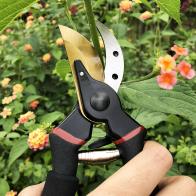
March is a big pruning month, with everything from fruit trees, to shrubs, to perennials on the docket. Keep your pruners and loppers in top form by sharpening blades and oiling hinges as needed. Always sterilize cutting tools between jobs by wiping blades with rubbing alcohol. Keep alcohol in a spray bottle to make treating blades even easier — just spray and wipe with a clean rag after use. The only things you shouldn’t prune this month are spring-blooming shrubs and trees. Wait to tackle those after the flower show is finished.
Late Winter and Early Spring Pruning Guide
More photos after this Ad
Grow Greens
The cool soil of early spring is ideal for planting leafy salad greens, including spinach and leaf lettuces. Start with transplants for a quick harvest, and also sow seeds directly into the garden for future pickings. Try your hand at growing different types of lettuce: speckled trout back romaine, soft butterhead, red oak leaf, green looseleaf and deer tongue. If you’re serious about salads, it’s a good idea to grow individual types of lettuce versus a mesclun mix so you can get to know varieties by name, flavor and growth habit.