
Next Up

How to Prep Raised Garden Beds for Winter

Updated on September 18, 2026
Follow Debbie on:

These simple tasks protect soil through the cold months and set raised beds up for an easy spring start.

Photo: Getty/Madelyn Wilkime
Scroll For More Photos
1 / 10

Why Raised Beds Need A Different Winter Approach

Raised garden beds make gardening more accessible and add an aesthetic touch to outdoor spaces. However, raised bed maintenance looks a little different from in-ground gardening. Raised beds simplify weeding and improve poor soil, but exposed sides create faster freeze-thaw cycles than in-ground plots, so they need a dedicated winter routine. If you have perennials planted in the beds, a regular fall watering schedule prepares plants for dormancy before the soil freezes. Here are nine ways to get your raised beds ready for winter.

More photos after this Ad

Photo: Getty/davidf
2 / 10

1. Clear Out Spent Plants and Debris

By late summer, your garden beds are probably looking a bit sad. Fall is the perfect time for a reset. Start by removing spent annuals, weeds and diseased material before the first hard frost.

More photos after this Ad

Photo: Shutterstock/michelsass
3 / 10

2. Check the Frame

Winter moisture tests a raised bed's frame as much as its soil. Wood frames benefit from a fresh coat of sealant before the first hard freeze, since untreated wood absorbs and holds moisture. Metal frames call for a quick rust check, while composite frames deserve a look for cracks or loose joints. Catching small issues now protects the frame from cold-weather damage.

Learn More Raised Garden Bed Basics

More photos after this Ad

Photo: Shutterstock/Ostranitsa Stanislav
4 / 10

3. Drain and Disconnect Irrigation

Water left in irrigation lines freezes and expands, cracking hoses and fittings before spring. Drip lines and soaker hoses benefit from a full drain, with any timers or connections disconnected from the water source. Shutting off the line at its origin point protects the system through the coldest months and saves a scramble to replace damaged parts once the weather warms.

How to Install Drip Irrigation

More photos after this Ad

Photo: Shutterstock/Sheryl Watson
5 / 10

4. Test the Soil

A full growing season leaves soil in need of a refresh. Getting a head start pays off even for gardeners skipping a fall garden. A soil test offers the clearest read on what a bed needs, and results point directly to the right amendments.

How to Test and Amend Garden Soil

More photos after this Ad

Photo: Getty/Serhii Hordiienko
6 / 10

5. Add Compost and Amendments

Soil in raised beds works hard through a growing season and needs replenishing. Compost added before the first freeze has time to mature before spring planting, and soil test results will let you know if your soil needs any additional amendments.

Discover Different Ways to Make Compost

More photos after this Ad

Photo: Getty/Nadya So
7 / 10

6. Plant a Cover Crop

A winter cover crop keeps a raised bed working even after harvest ends. Winter rye, crimson clover and hairy vetch all suppress weeds and hold soil structure together through the cold months. Any cold-hardy greenery offers similar nitrogen-fixing benefits, so choose one suited to your climate. Come spring, tilling the crop into the soil adds a fresh layer of organic matter ahead of the next planting season.

More Plants That Feed Gardens for Free

More photos after this Ad

Photo: Shutterstock/Mariana Serdynska
8 / 10

7. Mulch the Surface

If you are not planning to plant a cover crop or cool-season plants, protect the soil with mulch. Mulch conserves soil moisture and suppresses weeds. Options range from straw to pine bark nuggets, but shredded leaves offer a free, easy alternative. Leaves insulate soil through winter and break down by spring, improving soil texture along the way.

Discover How Much Mulch You Need

More photos after this Ad

Photo: Tomas Espinoza
9 / 10

8. Clean and Store Tools

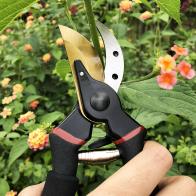
A season of digging and pruning leaves tools caked in soil and prone to rust. While not unique to raised beds, this step counts as good garden practice across any setup. Wiping blades clean and applying a light coat of oil protects metal through the winter months. Wooden handles benefit from a quick rub with linseed oil to prevent cracking. Tools stored in a dry space, away from moisture, hold up season after season.

How to Clean Garden Tools

More photos after this Ad

Photo: Morgan Faulkner
10 / 10

9. Plan for Spring

Winter offers time to map out the season ahead. Sketching a planting layout now, with crop rotation in mind, keeps soil nutrients balanced and reduces pest and disease carryover. A spring gardening checklist helps turn that plan into a clear list of dates and tasks before the first seeds go in the ground.

Your Spring Gardening Checklist