How and When to Bring Houseplants Inside for Winter
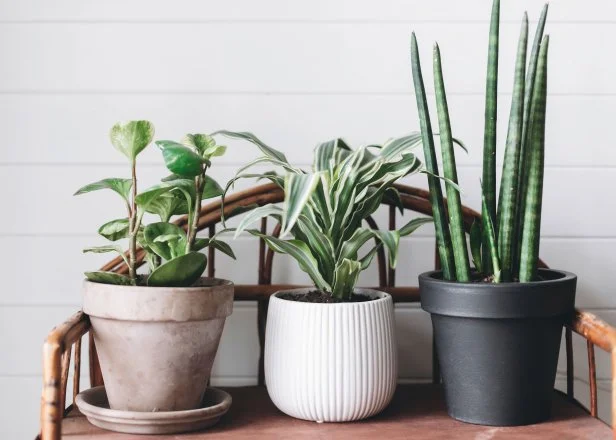
Houseplants that have spent summer basking in the great outdoors need a little TLC before moving them inside for the winter. Get tips on how to successfully transition your plants from summer to winter.

Your houseplants probably thrived outdoors this summer in the warm sun and humid air, but autumn’s chilly temperatures can reverse all that thriving in just one evening. Before the temperatures start dipping into the 50s, it's time to bring your houseplants inside. This is usually about four to six weeks before the average first frost in your area.

Tomas Espinoza
A couple of weeks before the temperatures dip to 50 degrees or below, put your potted plants underneath a tree or onto a covered porch so they can start adjusting to the reduced light they’ll get in your home.
However, you can’t simply bring plants inside for the winter and call it a day. Plants need time to acclimate to the indoors, so the longer you wait to bring them in the more likely they will suffer. A sudden change in light and humidity can shock the plants, causing them to drop foliage, wilt and even die. Plus, you want to make sure you don't carry any pests inside with your plants. So, before you move them inside, learn how to ease the transition and keep your plants healthy.
Slowly Acclimate Plants to Light
A couple of weeks before the temperatures dip to 50 degrees or below, put your potted plants underneath a tree or onto a covered porch so they can start adjusting to the reduced light they’ll get in your home. Some tropicals can be damaged at 50 degrees or below, so move them even earlier.

Don't Repot Houseplants in Fall
Avoid repotting before moving your plants inside. Growth typically slows during the fall and winter, so save that chore for spring. If your plants are large, take cuttings to bring in and root instead. Otherwise, cut back tall, leggy stems.
Give Your Plants a Thorough Inspection
Thoroughly inspect your houseplants for pests hitchhiking a ride indoors. Mealybugs, scales, aphids, whitefly, spider mites, ants and yes, even cockroaches are common houseplant hitchhikers. Without their natural predators found in the great outdoors, these insects will thrive inside your home.
Use a flashlight and magnifying glass to help see any tiny pests that could be hiding under the leaves or in the folds of a stem. If you can, gently pull the plant out of the pot and inspect the roots and base of the plant. Pests may have crawled in through the drainage holes. Poke into the soil with a long object like a pencil to see if any pests pop out at you. But, even with a good in-depth inspection, you may have missed something, so it's a good idea to give them a shower and a bath.
Shutterstock/Bogdan Sonjachnyj
Give Plants an Outdoor Shower
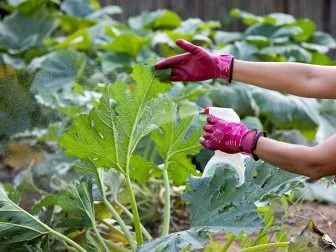
Gently spray the plants with water from the garden hose or, for more delicate plants, use a sprinkling can filled with warm, tepid water. Be sure to get the underside of the leaves and all along the stems. Besides removing pests, you're also removing dirt, cobwebs and pollen that you don't want to be brought indoors. At this point, while they're still outside, you can douse them with an insecticidal or horticultural spray. Once you bring them inside, isolate the plants for a couple of weeks from the ones that have been inside all summer, just in case.
Soak Them in a Bath
To really make sure you've eradicated all pests and to decontaminate the containers, soak your potted plants in a bucket or tub of warm water mixed with a few drops of mild dishwashing liquid for about 15 minutes. Do not soak plants that prefer drier soils, like cacti or succulents or plants that go dormant for the winter. Use an insecticidal or horticultural spray instead.
What if You Find Pests on Your Houseplants?
Isolate that plant immediately so the infestation doesn’t spread. Identify the pest and research how to treat it. Your local extension agent is a great place to start because they will provide you with chemical-free ways to treat the plant. Treatment may take several weeks and applications, so again, keep that plant isolated. If the plants are heavily infested or diseased, discard them. They probably won’t survive anyway, and you don’t want to bring in problems that may spread.
44 Common Garden Pests 45 Photos
You can identify pest damage in one of two ways: You see the insect or the damage it causes. Use chemical sprays only as a last resort. Where possible, try pest traps and barriers, biological controls and organic sprays first.
Wash Their Windows
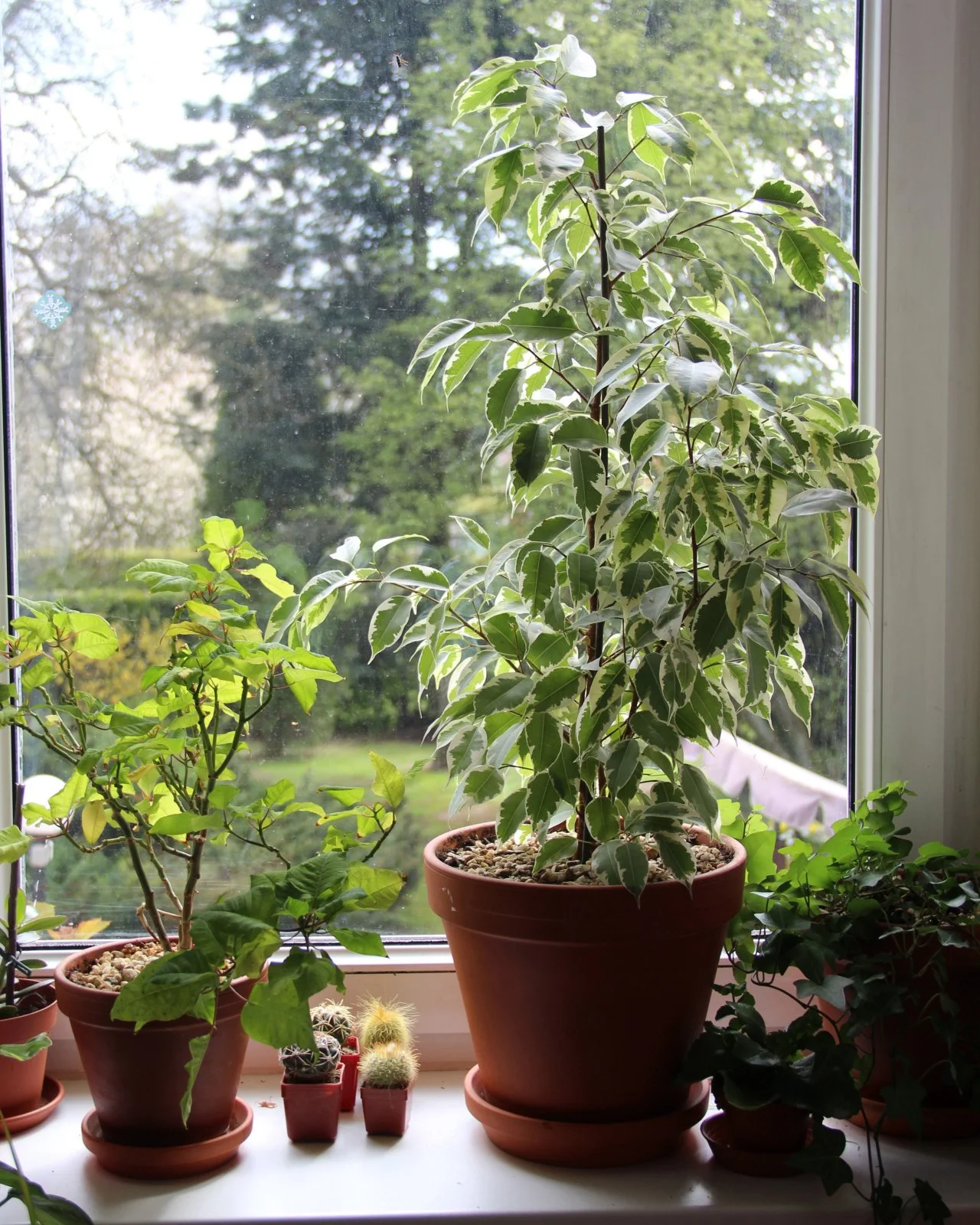
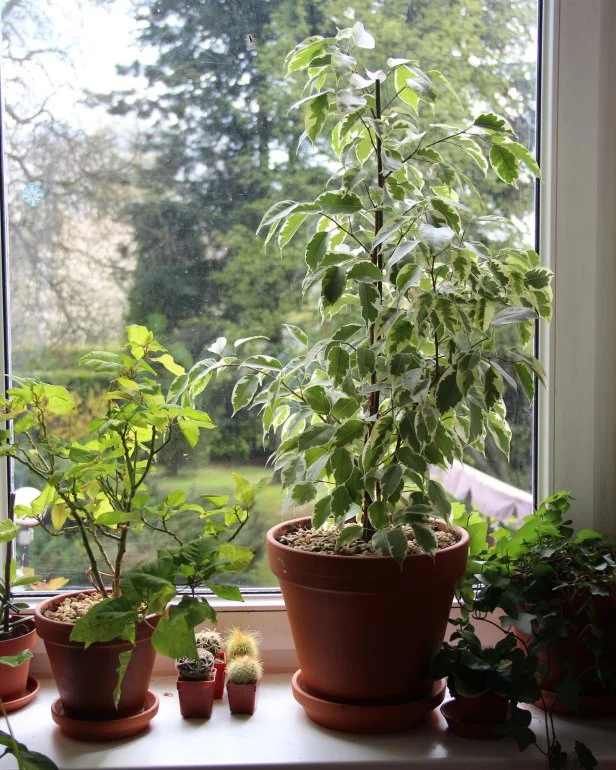
When you're sure your plants are bug-free, find an appropriate window for its light needs. Clean the windows where your plants are going to sit. Accumulated grime can reduce the amount of light they get. Try to give them roughly as much light as they received outside.
Shutterstock/Tatjana Michaljova
Reduce Drafts
Pick a spot for your plants away from furnace vents, heaters and drafts. Keep them away from doors that will be opened frequently.
Consider a Grow Light
If the light coming through your windows isn’t bright enough or you live in an area that gets only a few hours of daylight in the winter, supplement the light with fluorescents or grow lights. Set timers to give your plants a rest period — that is, some darkness — every day.
Shop Plant Care


Rotate Placement
Rotate plants growing under artificial lights. Light is usually more intense from the center of the bulbs than from the ends.
Supply Humidity
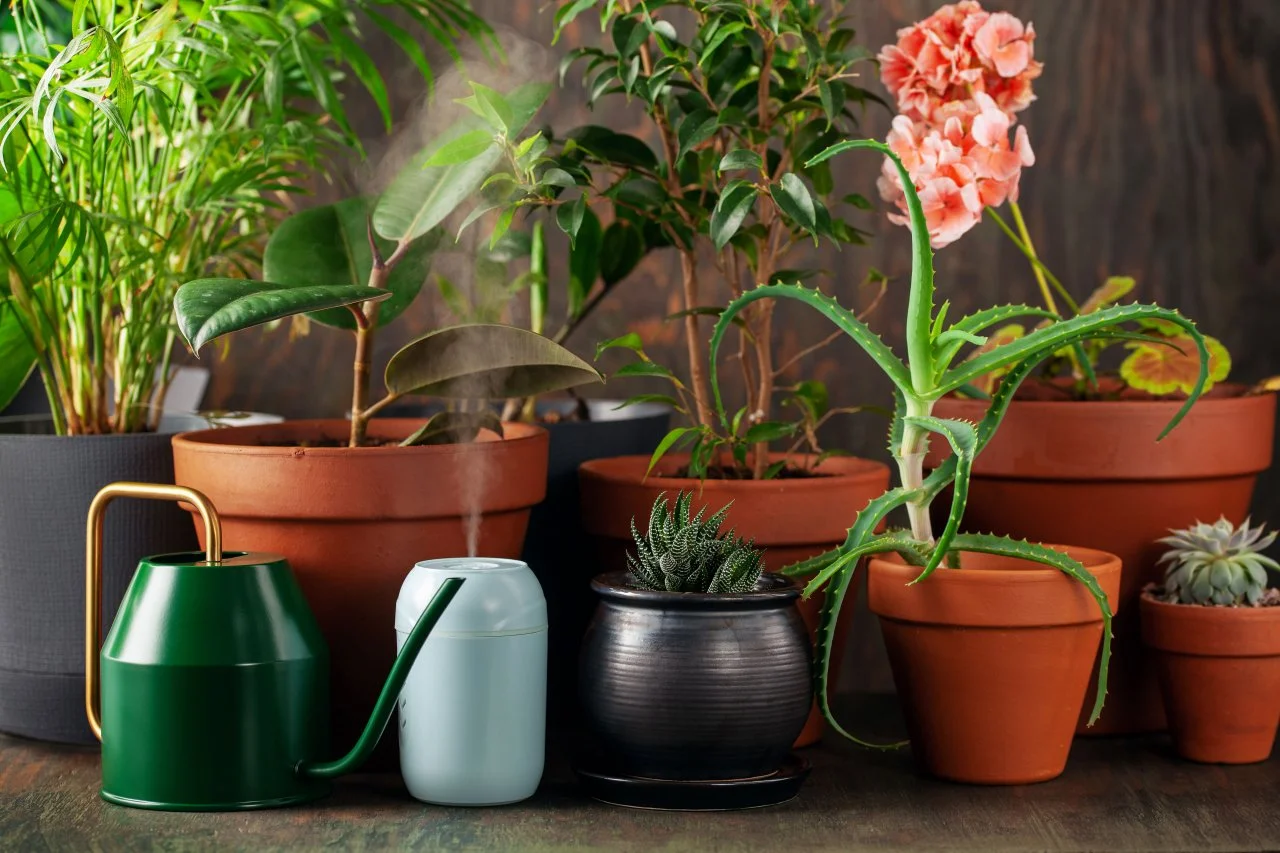
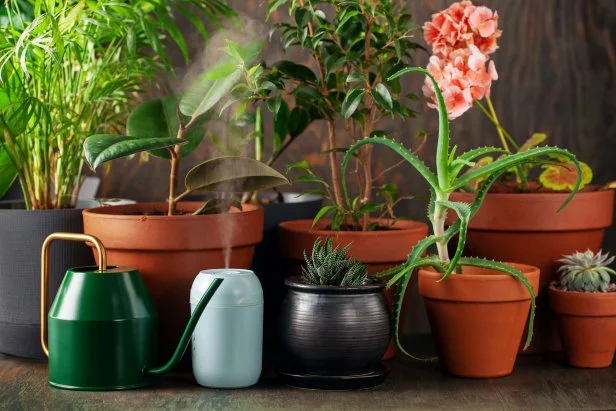
To raise the humidity around your plants, group them together, or keep them near the kitchen sink or in a steamy bathroom. You can use a cool vaporizer, too, or sit pots on trays or saucers filled with pebbles and some water. Just don’t let the bottom of the pots sit in the water. Constant moisture can cause plant roots to rot.
Shutterstock/Natalya Bond
Don't Overwater
Remember that plants grow more slowly in reduced light, and overwatering is a primary reason that houseplants die, so cut back on watering. Some plants won’t need fertilizing until they begin actively growing again in spring.
Reverse the Process in Spring
When warm weather returns, acclimatize your plants by reversing the process of bringing them indoors. Let them spend a week or two in a shaded spot before exposing them to the sun and wind.


20 Tips for Decorating With Plants 21 Photos
Houseplants can add texture, style and vibrancy to your interior design. Check out some of our favorite creative ways of styling with houseplants.