




21 Best Raised Garden Bed Kits, According to HGTV Gardening Experts
Whether you're looking to fully transition from in-ground gardening to raised bed gardening or you simply want to incorporate a raised bed planter or two into your greater garden area, these are the best raised bed planter kits you should consider.

Utilizing raised garden bed planters in your garden has many advantages over planting directly in the soil. From more control over your soil quality to making it easier to tend to your garden to better drainage, there are so many perks. If you're ready to make the switch to raised bed gardening, you may be curious how to sift through the numerous types of raised bed planters to choose the best one for your needs.
To help you get started, we've listed our favorite raised bed planters, breaking them down by materials such as wood, plastic, composite and metal, and explained the advantages and disadvantages of each material, so you can make an informed decision.
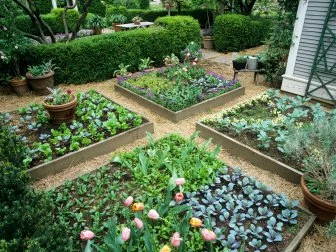
26 Raised Garden Bed Ideas 27 Photos
Discover creative raised garden bed ideas and stylish flower bed designs to transform your outdoor space into a beautiful, organized garden.
Best Wood Raised Garden Bed Planters
When you picture a raised bed planter, you likely picture one made of wood. Wood has long been the go-to material for raised bed planters, and it remains popular today, due to its natural beauty and strength. Additionally, wood garden beds appeal to DIYers, as they're easy to customize and build to your specific gardening needs. Wood can be somewhat easily repaired, while the same can't be said for metal and composite garden beds.
Most gardeners avoid chemical stains and sealants and pressure-treated lumber for raised garden beds, which can inevitably lead to eventual rot. For this reason, cedar and other rot-resistant wood species are ideal. On the downside, wood raised bed planters almost always eventually warp, bow or rot, no matter what type of wood you use. And before that, they'll likely lose their warm, natural glow and fade to a less attractive silvery gray if the finish isn't maintained.

When you're trying to avoid chemicals and pressure-treated wood, rot-resistant cedar is your best bet, which is why we love these extra-deep cedar raised beds from Gardeners Supply Company. The gorgeous cedar planks are joined with powder-coated aluminum corners for strength and durability that's backed by a 100 percent lifetime guarantee.
HGTV Senior Editorial Director and Master Gardener Kelly Smith Trimble has owned this cedar raised bed for over three years. She says, "I've grown everything from cucumbers and zucchini to tomatoes and peppers to sunflowers and short corn in these beds," confirming that they will last for multiple seasons and that she didn't see any bowing or warping in the first two to three years.
Shop More Wood Raised Bed Planters


Best Plastic and Composite Raised Garden Bed Planters
Plastic and composite raised garden beds are prized for their ease of maintenance, resistance to pests and rot, and their supreme durability. Of all the plastic and composite options, the most popular is HDPE (high-density polyethylene), which is known to be durable and non-leaching, a must for garden beds. It doesn't crack or fade in the sun, and it's easily washable, so you can keep your garden looking its best. Additionally, HDPE is commonly made from recycled materials, keeping items out of the landfill and boosting your garden's eco-friendliness.
While HDPE planters are designed to last (many planters include 50-year or even lifetime warranties), they're easy to recycle once you're done with them. The main disadvantage of plastic and composite raised beds is their appearance, as they just don't have the same natural charm as wood, though many of them try to replicate it. Plus, HDPE, much like wood, can be pretty heavy, so it's not the best option for those with limited strength.

Bad back? This is the raised garden bed for you. The legs bring the top of this planter nearly to table height, making tending to your garden easier than ever before. The durable HDPE planter is available in black, white or the gorgeous navy option pictured above, giving you options to complement your home's exterior.
While exposure to the elements can be a concern for plastic planters, HDPE is built to handle it. One reviewer says, "After a full year, the boxes look the same as when I assembled them." Should any cracking or rotting occur, this planter includes a five-year repair or replacement warranty.
Shop More Plastic and Composite Raised Bed Planters


Best Metal Raised Garden Bed Planters
Metal has quickly become a favorite material for raised garden beds, as it's strong, durable and surprisingly inexpensive. Metal planters are eco-friendly and recyclable, and many metal garden beds are even made from recycled materials. The most common types of metal raised beds are galvanized steel and Aluzinc steel. Galvanized raised bed planters have long been praised for their lightweight construction, rot resistance and strength, but Aluzinc takes it up a notch with even more durability, more strength and more rot resistance, all while remaining lightweight.
Best of all, steel planters don't degrade in the elements and contaminate soil with chemicals, which is of some concern with certain types of plastic and wood. Metal raised bed planters don't have all that many disadvantages, but you may deal with some sharp edges, depending on the model you choose. Additionally, cheaper metal planter options with poor-quality coatings will eventually rust and decay.

These gorgeous raised garden beds from Vego Garden are sure to take your garden from basic to beautiful. Crafted out of durable Aluzinc, this raised bed is strong and long-lasting, while the USDA-approved AkzoNobel paint ensures your fruits and veggies are free from contamination. The Vego Garden raised beds are available in seven stunning colors, so you can tailor them to your outdoor aesthetic.
HGTV Commerce Editor and Shopping Expert Morgan Faulkner has used her Vego Garden beds for two gardening seasons and highly recommends them for both novice and seasoned gardeners. "My Vego Garden beds look just as good as they did when I first got them, even after sitting outside in the elements for two years. I use my beds to grow a flower cutting garden, and all of my blooms have thrived," she says.
Shop More Metal Raised Bed Planters


What to Consider Before Buying a Raised Garden Bed
Before going all in on one type of raised garden bed, consider these different details and specs that will help you narrow down the best choice for you.
Shape and Size: The best shape for a raised bed planter will be determined by your space and your intended use. While rectangle raised beds are the standard offering, you can find them in squares, circles, ovals and more. Choose your shape and size based on your aesthetic preferences and the ease of maintenance, as beds that are too wide will be more difficult to maintain.
Style and Material: Choose your raised bed planter style according to your home's exterior aesthetic. When choosing a material, consider how long you want the planter to last.
Height: If your main objective in employing raised beds in your garden is to make tending to your plants more accessible, consider opting for a raised bed with legs to increase the overall height.
Transportability: If you don't desire to have a raised bed taking up yard space throughout the year, consider getting a mobile raised garden bed. That way, you can wheel it out of the way when necessary or when not in use. Mobile raised beds are also ideal for moving plants out of the harsh sun or inside, away from the threat of frost.

Mistakes Everyone Makes Setting Up Raised Garden Beds
Small mistakes can result in big headaches — and ruin your harvest before it even starts. Here's how to set your raised garden bed up for success.
Frequently Asked Questions
What are the benefits of using raised bed planters?
Gardening in raised bed planters has many unique advantages over traditional in-ground gardening practices, such as improved drainage, added control over soil quality and less soil compaction due to less foot traffic. Additionally, raised garden beds can often permit earlier planting as the soil warms faster than the ground. The most notable advantage, especially for those with mobility issues, is the easier maintenance that comes with a raised bed planter.
What's the best material for a raised garden bed?
Gardening enthusiasts and experts have mixed opinions on the best material for a raised bed, as different materials have different advantages and disadvantages. For an inexpensive and easy-to-DIY route, wood is a great choice, though you’ll want to spring for rot-resistant varieties like cedar rather than budget-friendly pine. Many raised bed gardeners use pressure-treated wood, but there are concerns about the contact with soil and food, though newer pressure-treated woods are considered safer than older varieties. Metal raised bed planters have also grown in popularity, but make sure you're buying galvanized (zinc-coated) steel or, better yet, Aluzinc-coated, which is considerably more corrosion resistant.
What can I grow in a raised garden bed?
The beautiful thing about raised beds is that you can tailor the soil to grow nearly any crop. However, it may be wise to plant larger spreading crops in the ground, as well as crops that have sizable root systems.
How tall are raised garden bed planters?
Raised bed planters come in all shapes and sizes, as well as various heights. From basic raised bed planters that sit just a few inches off the ground to elevated options with legs, which hold your garden bed at nearly counter height.
What type of soil should you use in a raised garden bed?
One of the main advantages of using a raised bed planter over traditional in-ground gardening is the ability to fill it with exactly the right type of soil for your plants to thrive; however, this soil isn't all that different than the ideal soil in any other type of garden. For best results, you'll want to choose something that's nutrient-rich and well-draining, with a mix of compost and topsoil, as well as some organic matter like peat moss and vermiculite.

How to Fill Your Raised Garden Bed 16 Photos
You've just built your very own raised bed. Now what? Follow one of our three easy soil mixture methods for guaranteed garden success.
Why You Should Trust HGTV Shopping Experts
HGTV Shopping Experts believe the best method for testing products is based on how our fans are going to use them in the real world. In each of our Tested and Reviewed stories, products are not tested in sterile laboratory settings that don't mimic real life. Instead, we test products in real homes that reflect our readers' real lives, which can also include pets, kids, partners and more. We follow rigorous testing rubrics designed by our expert editors and take copious notes during the testing process. When choosing our top picks, we evaluate all of our testing data and take into consideration many factors, including ease of use, price, product availability and practicality. Our goal is to choose the best products for our readers.




.jpg.rend.hgtvcom.231.174.85.suffix/1738869678995.webp)


