

The Best Plant Covers to Protect Your Garden From Frost, Wind and Winter Weather
When cold weather hits, these easy-to-use plant covers help protect everything from tender perennials to new spring seedlings.

When temperatures drop, your winter garden might need a little extra care. That's where plant covers can come in handy. These simple covers help protect plants from frost, wind and sudden cold snaps, keeping them going through spring. While most hardy perennials can handle winter on their own, more tender plants may need a layer of protection. Choosing the best plant covers depends on your climate, the type of plants you're growing, and how much cold weather you expect.
Not all plants need to be covered, so start by identifying where you have the most need. Focus on tender perennials, annuals or young plants you're trying to establish. Your approach will vary depending on what you're protecting — covering a small bed of flowers looks different than shielding an entire garden or young shrub. And while winter is the most common time to use plant covers, they're just as useful in early spring when new growth is emerging, and temperatures can still swing from warm to cold. Check the size and materials before you buy, so setup is simple and your plants stay protected through the season.
Winter Gardening Tips From Our Experts

How to Protect Plants From Frost
Protect shrubs, flower and vegetable beds from frosts and freezes with these pro tips and garden hacks.
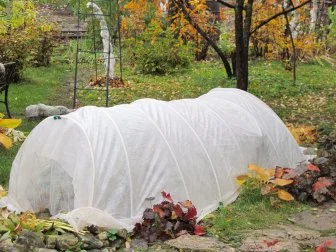
How to Use a Row Plant Cover
Discover how to use row covers to protect your plants from frost and extend the growing season.
Best Overall Plant Cover

The Planket is one of those trusted names many gardeners know and love. It's inexpensive overall, easy to use, and comes in a range of sizes, including this 10' x 12' or 10' x 20' option. The material is lightweight yet durable, helping to protect plants from frost, sleet, and wind while still allowing air and moisture to pass through. It also has built-in grommets along the edge and comes with landscape stakes, so it stays in place even on breezy days. You can easily fold it up when you're not using it, and it should last for many years.
- Size 10' x 20'
- Material Polypropylene
- Features Includes 14 landscape stakes
Best for Shrubs and Bushes

When you're trying to get a new shrub or young tree established, extra protection can make all the difference. These covers are a great choice because they come in multiple sizes and have both a zipper and a drawstring — two features that make them so much easier to get on and off. The thicker non-woven fabric helps insulate against cold air while still allowing plants to breathe. They're sturdy enough to handle winter wind and snow, but lightweight enough to fold and reuse season after season.
- Size 71" x 63"
- Material Thickened non-woven polypropylene
- Features Zipper and drawstring design for easy fit
Best for Large Areas

If you have a lot of ground to cover, this row cover is a great option. It's lightweight, breathable and available in several large sizes, including an impressive 100-foot length. The fabric allows sunlight and moisture through, making it perfect for both winter frost protection and early spring planting when temperatures still fluctuate. You can also cut it to size or use it with hoops for extra structure, depending on what your garden needs.
- Size 10' x 30'
- Material Non-woven polypropylene
- Features Can be cut to size or used with hoops for flexible coverage
Best Pop-Up Cover

Even though the PURPLE STAR Pop-Up Cone is designed for roses, it's handy for all kinds of plants that need a little extra protection. The zip top makes it easy to open or close depending on the weather, and the breathable mesh helps release heat and moisture while keeping frost and wind out. We love how it folds completely flat when it's not in use. It pops right back into shape when you need it again, so setup takes only seconds.
- Size 20" x 13" x 9"
- Material Oxford fabric with mesh top
- Features Pop-up design with zip closure and flat-fold storage
Best Blanket Cover

Sometimes the simplest solution is all you need. This frost blanket from Greenscapes is lightweight, easy to handle, and great for quick coverage with cold-weather moves. The durable, UV-resistant fabric protects plants from frost, wind and snow. It's great for draping over garden beds or wrapping around shrubs when you just need a reliable layer of protection.
- Size 12' x 10'
- Material UV-resistant polypropylene
- Features Lightweight, reusable frost blanket
Best Tent-Style Cover

When you need a little more structure and support, these tent-style covers by RoomTrimmer are a great choice. Made from clear PVC, they create a mini greenhouse effect that keeps warmth in while letting plenty of sunlight through. The built-in vents help with airflow, so plants don't overheat, and the frame gives it extra stability during windy weather. It's a solid pick for anyone who wants reliable, reusable protection through the coldest months.
- Size 28" x 28" x 30"
- Material Clear PVC with vented sides
- Features Tent-style frame for structure and reusable design
Best Garden Cloche

Cloche covers, like these, are perfect for those early spring moments when you've just planted something new and a surprise frost shows up. They help create a little greenhouse effect that traps warmth and protects tender seedlings as they get established. You can definitely use them in winter, too — just be sure to check the size to make sure they're large enough for what you're covering. Made from sturdy, flexible plastic, they're reusable and let in plenty of sunlight while keeping pests and frost away.
- Size 7.8" x 9.4"
- Material PET plastic
- Features Ventilated tops and reusable design
Best Adjustable Cover

If you need something roomy that can still be secured snugly, the Homoda Garden Covers are a great pick. They're designed for raised beds and larger garden areas, and the adjustable drawstring on each end makes it easy to tighten them down so they don't blow away. We love that combination — plenty of space with a secure fit. The breathable fabric helps block frost and wind while still letting in air, sunlight and moisture. It's a smart choice for anyone looking to protect vegetables or flowers without constantly adjusting loose covers.
- Size 102" x 50 " x 22"
- Material Non-woven fabric (2.0 oz/yd²)
- Features Adjustable drawstrings on both ends for a secure fit
Best Tunnel Cover

Tunnel-style covers, like the FuBegi Garden Tunnel Hoop Kit, give you extra structure and support while still protecting a big area. The kit includes flexible fiberglass hoops, connectors and clips, so you can easily create a mini greenhouse setup right over your garden bed. The fabric is thicker than most floating row covers, helping it hold warmth and block frost while still letting in light and moisture. It's a great all-in-one option if you want to extend your growing season or shield tender plants from winter wind and snow.
- Size 10' x 33'
- Material Non-woven fabric
- Features Tunnel-style design with flexible fiberglass hoops

Prepare Your Garden for Winter 23 Photos
Is your yard ready for the big chill? Get your lawn and garden frost-ready with these tips.
Frequently Asked Questions
When should I put plant covers on for winter?
You'll want to cover plants when temperatures are expected to drop below freezing (32°F). This is true for spring as well. If it's been warming up and there's a sudden frost warning, go ahead and cover your plants in the evening before the cold hits.
Do I need to leave plant covers on all winter?
It really depends on your area. Gardeners in cold climates often leave covers on to give plants a little extra support through harsh weather. Even though many plants go dormant, tender or newly planted ones may appreciate the added layer. In milder regions, you can use plant covers as needed — mainly during cold snaps or when frost is in the forecast.
Can I use plant covers in early spring?
Absolutely. In fact, some gardeners use plant covers primarily in spring, especially when planting new seedlings or trying to get an early start on the growing season. They help protect tender new plants from late frosts and cold nights, giving them a better chance to get established before temperatures stabilize.
Can I water plants while they're covered?
If your cover is made from a breathable fabric, you can water lightly through it. For heavier or plastic materials, remove or lift the cover before watering. Keep in mind that plants are meant to go dormant in winter, so you generally don't need to water during that time. In early spring, however, when plants begin to wake up and the ground thaws, watering through a breathable cover is perfectly fine.
What kind of plants need to be covered?
Tender perennials, annuals, tropicals and young shrubs benefit most from being covered, especially in their first year. Hardy, established plants can usually handle the cold on their own. If you're not sure what needs protection in your area, check with local gardeners, a nearby garden center or your county extension office for advice.
What's the difference between the types of plant covers?
Plant covers come in a few main styles, and each serves a slightly different purpose. Blankets and frost cloths are the most flexible. You can drape them over plants or garden beds for quick protection. Pop-up covers and cloches work well for smaller plants or single specimens, especially in spring when seedlings need warmth and shelter. Tunnels and tent-style covers add more structure and support, ideal for larger spaces or areas with heavy snow and wind. The best choice really depends on your garden setup, how much space you need to cover and the severity of your winters.
Can I reuse plant covers from year to year?
Yes, most quality covers can be reused for several seasons. Shake off debris, make sure they're completely dry, and store them in a cool, dry place until next season.




.jpg.rend.hgtvcom.231.174.85.suffix/1738869678995.webp)