


How to Quickly Sell Your Home When Threatened With Foreclosure
Get tips and advice on how to sell your home fast.
When foreclosure looms, many homeowners try to sell their homes. For them, the goal is not just to get the home sold, but to do it quickly. Foreclosure rates are the highest in a buyer’s market when homes take a longer than average time to sell. What’s a homeowner to do? Get aggressive, and get your home sold fast! As a seller, you control the only three factors that influence whether your home sells quickly: pricing, marketing and condition. Here are some easy steps and insider secrets to make your home fly off the market in record time.
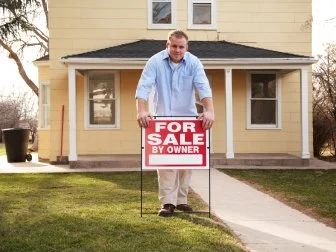
For Sale by Owner (FSBO): Pros + Cons
Are you prepared to sell your house by yourself? Set your expectations right. Learn what it will take to be successful, and know when the process might not be right for you.
Pricing Your House
- Don’t try to salvage equity that does not exist. The fact that you bought your home for thousands more than homes are currently selling for in your neighborhood is irrelevant to the current fair market value of your home. You have to get clear on your goal: Are you trying to eke dollars out of your home by holding out for the highest price, or are you trying to avoid the seven-year black mark that a foreclosure will leave on your credit report?
- Don’t overprice your home. Get clear about what you want. If you’d like to get your home sold, make sure you price it aggressively and that means low. If your home is overpriced, some buyers won’t even see it because it will appear to be out of their price range. Other buyers will focus on seeing properties whose sellers seem more realistic about pricing. Your house will sit on the market longer than it should and then the lowballers will crawl out of the woodwork.
- Get real about what your home is worth. Have your real estate agent prepare a Comparative Market Analysis (CMA) that shows recently sold, similar homes in your neighborhood. If you’re serious about getting it sold fast, take the sales prices (not the list prices) from the most recently sold homes in your area, and then go down 10 percent or so from there to get your list price. When a home is slightly underpriced, it seems like a bargain. More buyers will come out to see it, and chances of getting a qualified offer skyrocket.
- Make sure you have an accurate understanding of how low you can go. A buyer is not going to pay a premium price for your home just because that’s what you owe. If you owe more than your home is worth, give your lender a ring, complete a short sale application and ask your lender to give you some indication of how low a sale price they will accept. Conform your list price to that (don’t forget to take closing costs into account); a short sale blemishes your credit but not as badly as a foreclosure does.

How Much Is My House Worth?
Whether you’re looking to sell your home or just want to stay current on its value, here are some tips to help you determine what your home might be worth.
Marketing Your House
- Make sure your home is well-marketed. This is your real estate agent's responsibility, but you should make sure that it gets done. Most all house hunting starts online. So your listing should be on all of the top real estate listing sites as well as your and your realtor's social media accounts.
- There is no such thing as too many pictures. Property listings that have no pictures are skipped over by the majority of buyers. The more photos of your home are associated with the listing, the longer time buyers will spend looking, and they will be more likely to come see your home. Ask your realtor about getting a photographer who specializes in real estate photography.
- Condition, condition, condition. Clean it up, spruce it up, fix it up, but don’t spend too much. If you are facing foreclosure you probably can't afford the time or the money it would take to do major work. Focus on the things that are inexpensive, but make a major cosmetic difference, like paint and carpet. Have your real estate agent refer you to a handyman who can caulk cracks in the tile, fix minor leaks and patch scrapes and holes in the walls. These things are cheap to fix and make a negative impression if you don’t fix them. Make sure your place is immaculate every time a buyer steps inside. Piles, messes and odors are extremely distracting to buyers and can even cost you a sale.
- Offer creative concessions and/or financing perks. Some house hunters who want to buy your house might have a hard time doing so. Help them out. Offer such concessions as assuming your mortgage (with the lender’s consent), a lease with the option to buy, or closing cost credits that will help the buyer defray closing costs or buy down the interest rate.

15 Home-Staging Essentials 15 Photos
Highlight your home's strengths, downplay its weaknesses and appeal to the greatest possible pool of prospective buyers with these home-staging tips.





.jpg.rend.hgtvcom.231.174.85.suffix/1738869872256.webp)