Photo: Marian Parsons
1 / 17
Do: Buy Pieces in Good, Usable Condition
This may seem like a given, but when a piece is a bargain or the right size for a room, it can be easy to forgive major flaws that will inevitably result in regret. Take the time to make sure everything functions properly and the piece is usable. You'll be glad you did.
More photos after this Ad
Photo: Marian Parsons
2 / 17
Don’t: Buy Broken Furnishings
Unless you can identify what's wrong and know how to fix it, don’t buy a piece that is rickety or ready to fall apart. This is usually an indication the piece has been exposed to water and/or extreme temperatures, which can destroy paint and finishes, cause wood to swell and shrink and loosen joint glue. These pieces will not be functional again without major repairs.
More photos after this Ad
Don't: Buy Anything Until You've Shopped at Home First
When Chelsea and Cole DeBoer of Down Home Fab were working on renovating a historic Craftsman home, Cole repurposed an old door into a fold-out desk. It was a win-win: A piece of the home's character and history was preserved while maximizing a small space for the homeowners. Do you already own any vintage furniture begging for a new life?
More photos after this Ad
Do: Buy Pieces That Fit Your Space
When shopping for vintage furniture, it’s easy to get distracted by beautiful pieces that aren't what you’re looking for. Don’t be swayed into buying a huge bookcase, for example, just because you love it. Make sure you have the perfect spot to put it before bringing it home. Prepare before shopping by making a list and taking measurements (height, width and depth) of the space you’re hoping to fill.
More photos after this Ad
Photo: Marian Parsons
5 / 17
Don’t: Buy Pieces That Will Languish in Your Garage
It’s easy to buy furniture that needs a lot of love with every intention of giving it a dramatic makeover, but be realistic about having the time and motivation to make that intention a reality. Set a limit for the amount of project pieces allowed in the garage so the to-do stash doesn’t get overwhelming.
More photos after this Ad
More photos after this Ad
Photo: Marian Parsons
7 / 17
Do: Buy Dated or Ugly Upholstery
There are some beautiful vintage and antique upholstered pieces that are in spectacular condition but covered in fabric that was popular in a different decade. These pieces are perfect candidates for reupholstery or slipcovers. In some cases, the fabric looks dated in the thrift store but can be refreshed with pretty pillows or a throw once you get home. Look for hallmarks of quality furniture like down-filled cushions, horse hair filling (instead of foam) and solid wood frames.
More photos after this Ad
Photo: Marian Parsons
8 / 17
Don’t: Buy Upholstery That's Stinky, Stained or Potentially Infested
Unfortunately, there are some upholstered pieces that are too far gone to save. Unless you’re willing to strip a piece down to the frame, stay away from any fabric that's stinky, soiled, heavily stained or shows signs of bugs. Always give a piece of furniture the “sniff test.” Mustiness can be aired out, but strong pet or smoke odors are next to impossible to remove.
More photos after this Ad
Photo: Marian Parsons
9 / 17
Do: Buy Easy-to-Fix Pieces
There are thousands upon thousands of antique pieces of furniture on the market simply because they have cosmetic issues, like broken or missing hardware, water rings or scratches in the finish. Look past these minor, easy-to-fix issues and snap up that bargain!
More photos after this Ad
More photos after this Ad
Photo: Marian Parsons
11 / 17
Don’t: Buy Pieces That Are Beyond Your Ability to Repair
If a piece is damaged or isn’t functional, don’t purchase it unless you know how to fix it. Some furniture repairs are simple and straight forward, but others affect the structural integrity of the piece and are not easily fixed without woodworking knowledge and skill. Pass up pieces if you’re stumped about how to make it functional again.
More photos after this Ad
More photos after this Ad
Photo: Marian Parsons
13 / 17
Do: Buy Timeless Pieces You Love
The best thing about buying vintage or antique furniture is the timeless quality they give your space. If the style of a piece looked good 50 or 100 years ago and it still looks good today, it’s a purchase that’s likely to look good in another 50 to 100 years.
More photos after this Ad
Don’t: Buy It Just Because It’s Cheap
It's especially difficult for bargain hunters to turn down a good deal, but a bargain isn’t a bargain if it clutters up your home. When making a buying decision, take the price out of the equation. Even if it’s $5, would you pay more for it? Do you love it that much? Do you have the perfect spot for it? If the answer to those questions is yes, go for it! If you wouldn’t pay good money for it, it’s not worth buying.
More photos after this Ad
Don't: Hesitate to Mix and Match
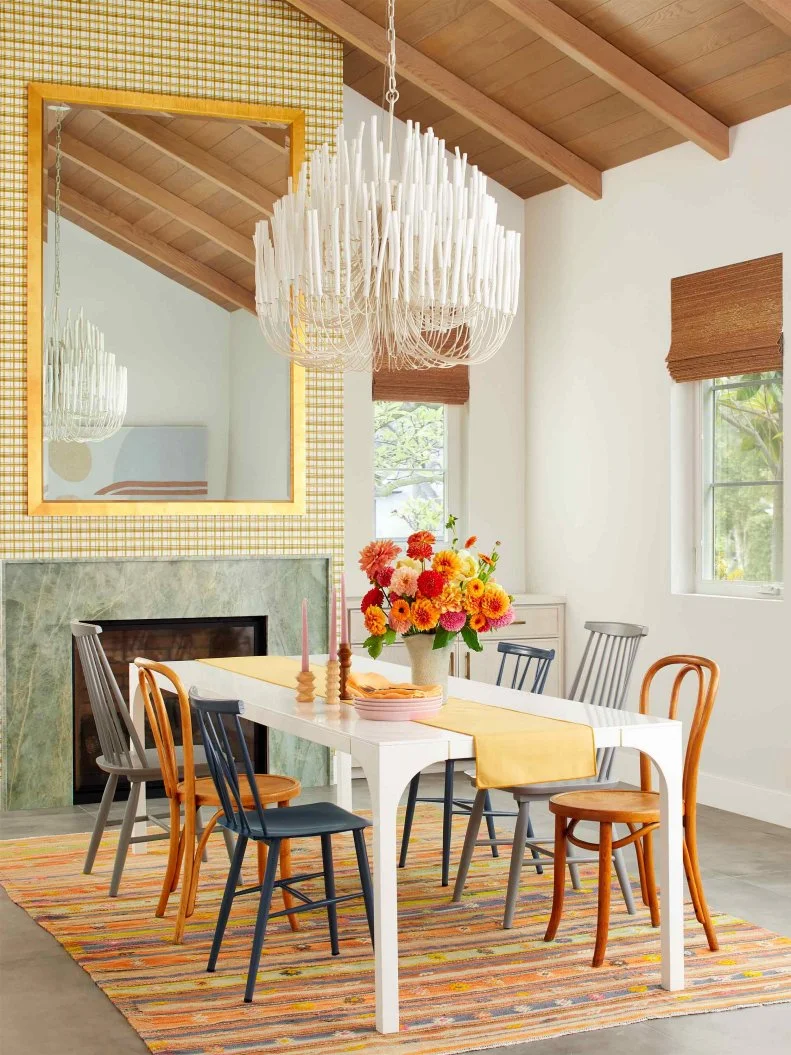
Mixing and matching your vintage finds adds texture and a charming quirkiness to a design scheme. Jasmine Roth, host of Help! I Wrecked My House, used a mix of dining chairs at her table. If you can't get a full set of matching vintage furniture pieces, mixing it up is a delightful option.
Tour Jasmine's Home
More photos after this Ad
Photo: Shawn G. Henry/Getty Images.
From:
Jonathan Knight and Farmhouse Fixer
16 / 17
Do: Learn the History of Your Finds (If You Can)
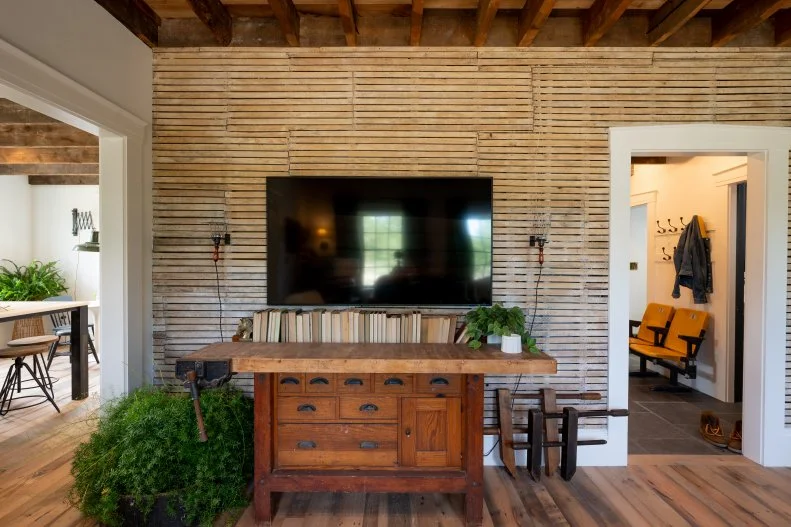
Farmhouse Fixer host Jonathan Knight chose a green-and-yellow color scheme when renovating his family's farmhouse outside Boston. He found the perfect piece for the home's mudroom: chairs were salvaged from Boston Garden, an event arena that closed in the late 1990s. The chairs match the home, but they also represent a part of Boston history. “People will walk in and be like, ‘What are these?’ And then I can tell the story," Jonathan said.
Tour the Knight Farmhouse
More photos after this Ad
Photo: Marian Parsons
17 / 17
Don’t: Hesitate and Miss a Great Purchase
Sometimes you need to mull over a purchase while you continue to shop an antique market, thrift store or estate sale to see if you like anything better — but don’t walk away from a piece you wouldn't want to see sold to someone else. That’s the nature of shopping secondhand.