How to Protect Plants From Frost
Protect shrubs, flower and vegetable beds from frosts and freezes with these pro tips and garden hacks.
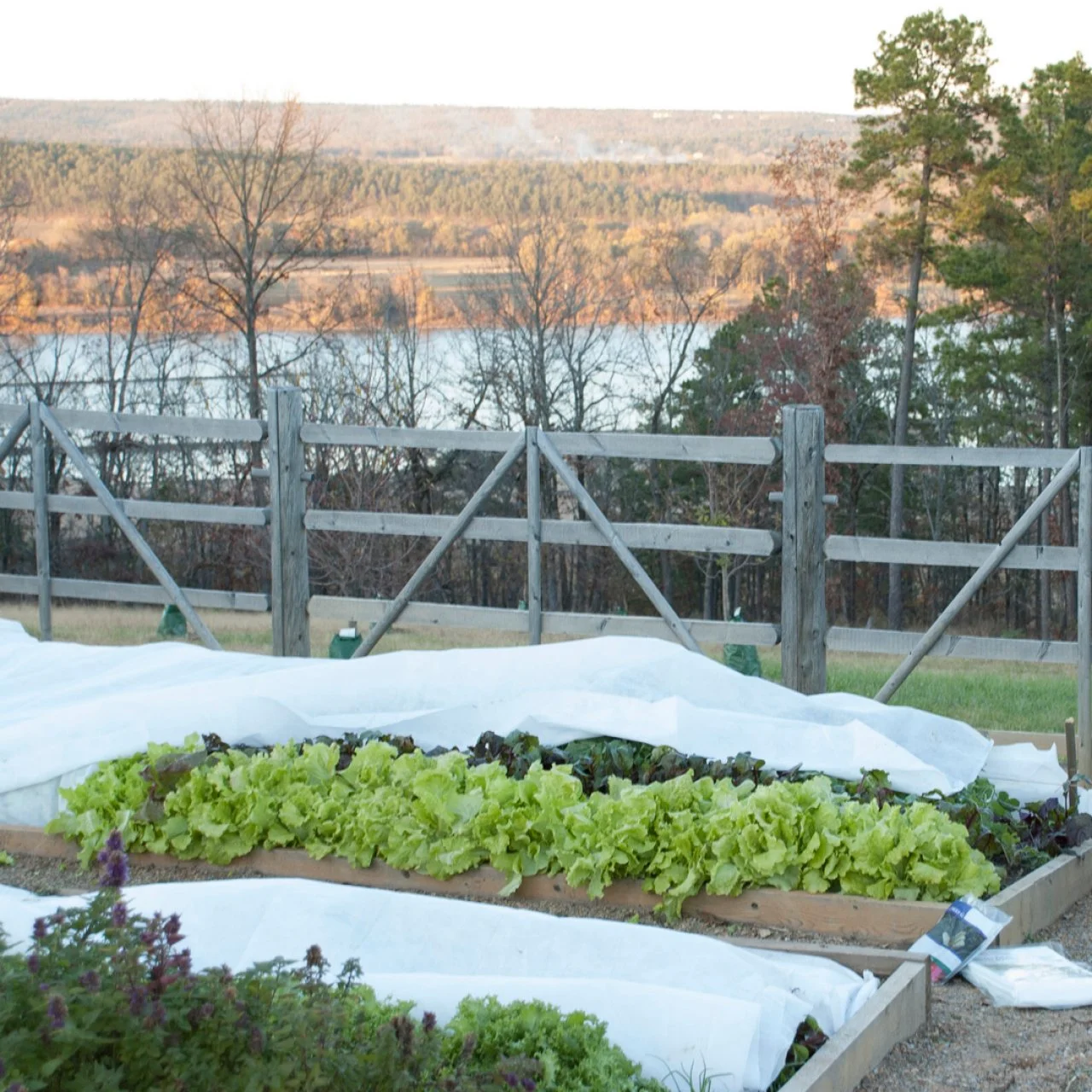
Image courtesy of P. Allen Smith, photography by Hortus LTD
Cool-weather veggies sown in early fall can grow under row covers for protection from frost.

An early fall frost can bring the garden you’ve enjoyed all summer to an abrupt – and perhaps unwelcome – halt. A late spring freeze can undo, overnight, any work you’ve put into planting an early garden.
Tips for Protecting Plants from Frost
Here’s how to protect annuals, garden vegetables and tender perennials from frost damage at both ends of the season.
Use Row Cover Cloth
Freezing temperatures can damage tender new buds and new leaf growth, so covering your plants with row cover cloth — lightweight synthetic cloth meant for this purpose — is a good practice. Don’t have a roll of row cover handy? Old sheets, mattress pads or other lightweight cloth can provide protection. Don’t use anything whose weight would damage the plants underneath, and remove the coverings after the temperature rises sufficiently.

Protect Plants With Row Covers
When frost creeps in, it's row covers to the rescue.
Cool-weather veggies sown in early fall can grow under row covers for protection from frost (and also from insects that often feed on late-summer plantings). Cover the rows loosely while securing the cloth to the ground; plants growing under row covers can push the lightweight fabric up as they grow.
With a little extra effort, you can erect a tunnel or small hoop house using sturdy wire or PVC pipes to make a frame. Spread row cover cloth over the frame, secure it to the ground and then close the ends. The extra support of the frame prevents ice or snow from weighing the cover down and damaging the plants underneath.
Cloches, Covers and Cold Frames
For smaller individual plants, a garden cloche — usually a clear plastic or glass dome — creates a mini greenhouse that traps warmth to keep tender plants safe from frost. Plastic cloches from garden supply companies often have a vent that can be opened to allow air circulation as the day warms.

How to Build a Hoop House
Extend your cool-weather growing season and even get a jump on spring with a DIY hoop house frame to cover a raised bed.
If you don’t have an actual cloche, something as simple as a gallon-size plastic milk jug with the bottom cut out can save those basil transplants you put out too soon. In a pinch, even a bucket or an old flower pot turned upside-down over a plant can save tender annuals from frost damage, allowing you to enjoy them a little longer in the fall. Be sure to remove the pot or bucket as the day warms to allow the sun to reach the plants.

How to Build a Cold Frame 15 Photos
Protect your plants from frost with this inexpensive, easy-to-make cold frame.
Low-growing plants in containers can be moved into a cold frame when frost threatens. This type of on-the-ground mini-greenhouse can also be used to grow cool-season vegetables from fall into winter, to winter-over tender perennials, and start seedlings in early spring. Be aware that plants kept in a cold frame need to be monitored for temperature, ventilation and moisture. A cold frame in a sunny location can get quite warm inside during the day. Plants placed in a cold frame overnight will be safe from frost, but in a closed cold frame during a warmer, sunny day, plants can get burned.
Keep Plants Watered
Moist soil provides more warmth than dry soil, so even as the temperature drops, the soil should stay a little warmer. Always water plants at the roots. Watering overhead can cause disease problems when leaves stay wet for too long, as it allows funguses to grow. Wet leaves and fruits can also freeze when the temperature falls into the low 30s and below.
Lay On the Mulch
Mulch is a gardener’s friend in so many ways, including offering a measure of frost protection. A layer of mulch in a garden bed going into fall won’t protect the top of a plant from the cold, but it will keep the soil a bit warmer and protect the roots of vulnerable plants from being damaged by extended freezing weather.
For long-term protection from winter freeze, mulch can be used to protect prized plants or shrubs. In colder parts of the country, rose experts suggest placing stakes around a vulnerable rose to create a frame, wrapping the frame with burlap, then filling the space with straw or hardwood leaves.
Bring It Indoors, if You Can
Bring any houseplants that spent summer outdoors back inside well ahead of cold weather. If you want to enjoy those large summer container plantings for a bit longer — especially if you think it will warm up a bit again — cover them loosely before the temperature plunges or wheel them inside for the night. Even an unheated garage can protect them from a killing frost.
Plan Ahead
Any gardener should be aware of their area’s official first fall and final spring frost dates, but also understand that there are no guarantees. There may be warm days ahead, but that one night in the low 30s or below could cause quite a bit of damage to tender plants. Watch the weather forecast, and if there are warm-weather plantings you want to keep around a little longer or spring-growing plants in the ground too soon, be prepared to protect them before the temperature drops.

Winterizing Plants
Discover easy techniques for getting plants ready for winter’s chill.
Protecting Plants from Frost: What NOT to Do
- Don’t use plastic sheeting to cover your plants, or if you do, make sure the plastic doesn’t touch the leaves of the plants. The freezing cold plastic touching the foliage can do as much damage as if the plants were unprotected.
- Don’t leave those sheets, blankets, mattress pads and towels on the plants too long. Remove them during the day as the temperatures rise. Heavier fabrics that may be weighed down by rain can also crush delicate plants underneath.