

What You Should Know About Last Frost Dates
Take the guesswork out of spring planting by learning about last frost and freeze dates.

They are common words to the wise on many seed packets: Sow seeds after danger of frost. Many gardeners dodge this cold bullet by starting seeds early indoors, avoiding any possible entanglement with frost. But you can plant some seeds — and seedlings — directly outdoors if you understand a little bit about frost dates.

What is Average Last Frost Date?
The last frost date for an area is the day a region usually has its last frost. The National Weather Service tracks this data and has created charts that show the average last frost dates for various areas. In fact, using any search engine, you can type in the phrase “last frost date by zip” and discover sites where you can find the last frost date for your area.
Most of the time, you’ll see an average frost date means there’s a 50 percent chance that frost could still occur after this date. You may see a date that gives a 90 percent chance of frost, which means you definitely don’t want to plant at this point because 90 percent of the time there will be a frost after this date. The 10 percent date is the point at which only 10 percent of the time a frost occurs after that date. With this date, you are probably safe with all but the most frost-sensitive plants.
Occasionally the frost information you encounter sometimes shows average dates for specific air temperatures, such as 35 degrees Fahrenheit, 32 F and 28 F. For most garden plants, you should use the 32-F date as a guide to determine planting dates.
Still Not Sure When to Plant? Ask Around.
It’s also a good idea to talk to other local gardeners to learn what their experiences have been with late spring frosts. If your neighbor grows the biggest petunias and fattest tomatoes, they probably know when the best times to plant are — and they won’t mind sharing that information. You can also find frost dates from your local extension service. They also usually have downloadable recommended planting date charts you can use to fine-tune your sowing dates.
Start With Cole Crop Plants
Some seeds and plants actually thrive in cooler air and soil and should be planted before the last frost date. This list includes cole crop vegetables, such as kale, broccoli, Brussels sprouts, mustard and collard greens, turnips and cabbage. Lettuces, peas, carrots and spinach also thrive in lower temperatures — you can tuck these seeds into soil as soon as it’s workable.
Flowering stock, viola, pansy, snapdragon, sweet alyssum and sweet peas grow best in early spring’s cooler air. Toss out seeds of bachelor’s buttons and larkspur as soon as the soil is workable in early spring. Many of these chill-loving plants can withstand light frosts once they’re actively growing. But you should be ready to protect plants if temperatures tumble below 29 degrees F.
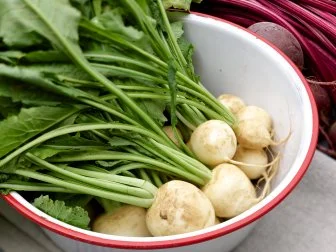
14 Can't-Miss Cool-Season Edibles 14 Photos
Discover tasty crops that grow best in chilly weather.
In all situations, avoid planting heat-loving crops before all danger of frost has passed. This group includes tropical veggie garden favorites like tomato, pepper, eggplant, cucumber, squash and basil. Bloomers like zinnia, cosmos, salvia, flowering tobacco and sunflower also crave warmer weather and soil. Don’t sow seed or set out seedlings for any of these plants until frost is definitely out of the forecast.

Alexander Knyazhinsky
Wait until all danger of frost has passed before planting heat-loving plants such as tomatoes.