

How to Get Wrinkles Out of Clothes
Wrinkles affect different fabrics differently. Whether you need to get tough creases out of a dress, or press and tame the collar of a shirt, these techniques will help.

Removing wrinkles from your clothes is straightforward once you understand how it varies for each kind of fabric and type of garment. Whether you have a hand steamer or an iron, or only have access to a dryer, there are several ways to quickly remove creases and wrinkles from your garments.

Olivia Ragland
Remove wrinkles from many garments using the heat of the dryer.
Wrinkle-Prone vs. Wrinkle-Resistant Fabric
Why are some garments extra prone to wrinkles, anyway? In addition to how you store your clothes, the material itself has a lot to do with their tendency to naturally resist wrinkles.
"Cotton and linen are notoriously more prone to wrinkle, with linen the most likely to wrinkle followed by cotton," shared Sara Aparicio, a cleaning and laundry expert at Homeaglow. "In comparison, polyester, nylon and other synthetic garments are highly wrinkle-resistant due to their synthetic nature. When it comes to natural fabrics, wool is also wrinkle-resistant due to its heavy treatment, the weight of the fibers and complex weave."
Fabric blends are also miracle-makers if you need a low-maintenance wardrobe. "You’ll often find that polyester blends offer the best wrinkle resistance, as the fibers can seamlessly help to maintain natural fibers and prevent them from creasing as easily," notes Aparicio. "This is why garments made of 60-40 cotton to polyester are quite good at not needing ironing but equally maintaining a 'natural' look and feel."

Olivia Ragland
Put ice cubes in the washer to create a humid environment that releases wrinkles.
Using the Dryer
- Set the dryer to the appropriate temperature. Many dryers have a "permanent press" setting, symbolized by a single line under the dryer icon. This cycle is designed to keep fabrics wrinkle-free, combining medium heat with a cooling-down period to reduce the need for ironing.
- Add a damp cloth or ice cube to the dryer. A simple trick to get rid of wrinkles is to throw a damp washcloth or an ice cube in the dryer along with your wrinkled clothes. Set the dryer to low for 10 minutes, and let the moisture create just enough steam to release wrinkles. Pro tip: Avoid overdrying these steamed clothes. You may accidentally shrink a garment, or set new wrinkles into the fabric.
- Use dryer balls or tennis balls. Dryer balls or clean tennis balls can also work wonders in wrinkle reduction. By bouncing around in the dryer, they create extra movement, which helps prevent the fabric from clumping up and wrinkling.

The Best Wool Dryer Balls
Reusable wool dryer balls help rid your laundry of those annoying disposable dryer sheets and dry your clothes faster.
Using Steam From the Shower
- Create a DIY steam chamber. Hang clothes near the steam from a hot shower, but keep them away from direct water contact. Let hot water run in the shower until the room fills with steam. After 10–15 minutes, gently smooth the clothes with your hands, or a steamer if available, for best results.

Olivia Ragland
Many delicate fabrics respond well to a hand steamer, but always check the garment's label.
Using Steam From a Hand Steamer Tool
When you need to target stubborn creases and wrinkles in a garment, using a hand steamer is a great solution. "Steam cleaners are best used in areas with soft water, as this helps to prevent any buildup of minerals in the appliances," highlights Aparicio. "For people living in hard water areas, it’s a good idea to fill your steam cleaner with distilled water to help keep [it] working for longer and prevent any unsightly marks from any mineral."
Not sure which you have? Hard and soft water is defined by the concentration of minerals like calcium and magnesium, and you may be able to test based on feel. Harder, more mineral-rich water will cause a film on hands, dishes and clothing as it reacts with soap, whereas soft water will rinse clean without soapy residue.

The 8 Best Clothes Steamers, Tested and Reviewed
Quickly and efficiently get rid of pesky wrinkles in your clothes — without lugging out the ironing board — with one of these editor-tested and approved steamers.
- Choose the right steamer settings for different fabrics. Steamers work well on many fabrics, but it’s important to adjust for different types. Lightweight fabrics like silk or rayon require a gentler approach, while thicker fabrics like cotton can handle more steam. Using a good-quality steamer with variable steam control can help you get the best results.
- Master your steaming technique. When steaming, keep the tool about an inch away from the fabric to avoid wet spots. Move it in downward strokes, following the fabric's natural grain to avoid stretching. Be sure to let the garment cool and dry on a hanger after steaming to set the smoothness.
- Remove stubborn wrinkles with a steamer. For tough wrinkles on thicker fabrics, a steamer might need more time. Focus the steam on problem areas, like collars or hems, and give them extra attention. A steamer’s heat and moisture work together to relax fabric, but avoid over-steaming delicate garments to keep them looking their best.

Olivia Ragland
Master techniques that help remove wrinkles and keep garments looking freshly pressed.
Is an Iron Better Than a Steamer?
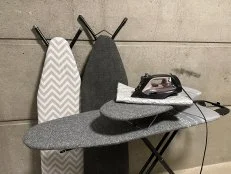
You'll have better luck ironing most button-ups, dress pants and other structured garments, especially if you need creases at the cuff or collar in place of wrinkles. Check the care label, use a safe temperature and only apply light pressure in the direction of the fabric grain to minimize stretching and puckering. Freshly ironed items need a few minutes to set before wearing, so hang them up after ironing to let them cool.
Ironing or steaming clothes that aren’t clean can set in dirt and stains, so make sure to wash or dry-clean items first. Just like with steamers, using distilled water in an iron can prevent mineral buildup.











.jpg.rend.hgtvcom.231.174.85.suffix/1738869872256.webp)