

How to Clean Garden Gloves According to the Experts
Extend the life of your gardening gloves and learn how to wash garden gloves with these simple tips.
Emily Fazio
Proper cleaning can extend the life of your garden and landscaping gear.

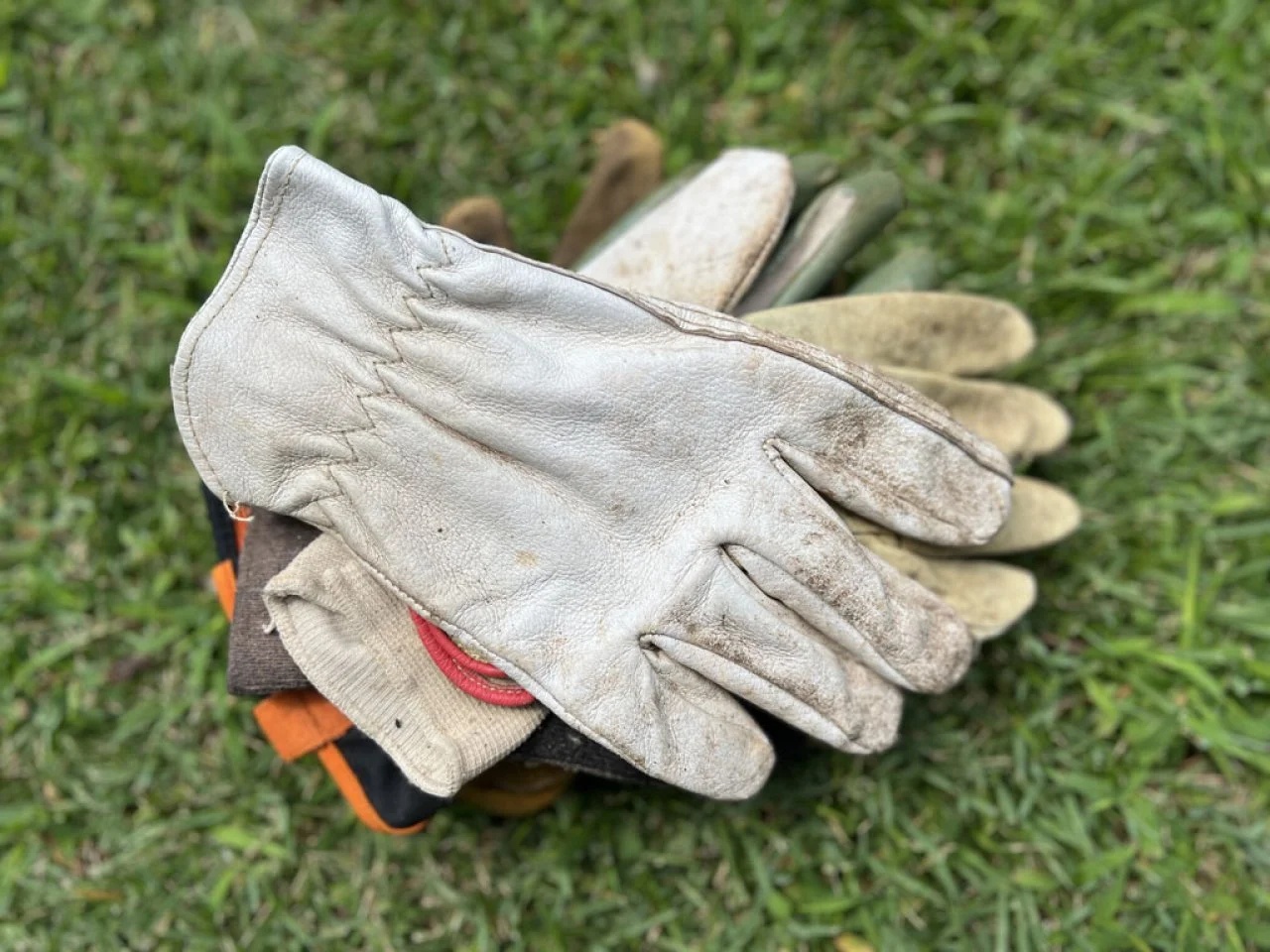
Gardening gloves do a great job protecting our hands, but over time they take a beating. We all know how much dirt and sweat they can accumulate, and we often overlook contact with fertilizers and other chemicals. Making it a point to regularly clean your gardening gloves can help, but the technique varies based on the type of gardening gloves you use. Here's exactly how to wash garden gloves.
In This Article
Why It's Important to Wash Your Gardening Gloves
Gardening gloves do more than keep your skin and fingernails clean — they act as a barrier against sharp objects (like thorns), bacteria and potential hazards like pesticides. Without care, they can become a source of contamination rather than protection, even causing skin irritation or infections. Moreover, you've probably experienced how accumulated dirt can weaken the fibers, leading to faster wear and a shorter lifespan.
"Remember to always read the label of any fertilizer or garden chemical before applying," notes Amy Enfield, senior horticulturist at ScottsMiracle-Gro. "The label will usually tell you what type of glove should be used during application, which in most cases will be a rubber (or latex, neoprene, or nitril) type glove. These types of gloves will not absorb chemicals like leather or cotton/cloth gloves will."

8 Best Gardening Gloves of 2024, Tested and Reviewed
We put top-rated gloves to the test in order to find the best options for planting, weeding and daily garden chores.
How to Care for Different Types of Gardening Gloves
Gardening gloves are made using various materials and each requires a different cleaning approach. Whether you're dealing with cotton, polyester, rubber gardening gloves or goatskin leather, following the right method will help remove dirt and stains and properly condition them for future use.
Emily Fazio
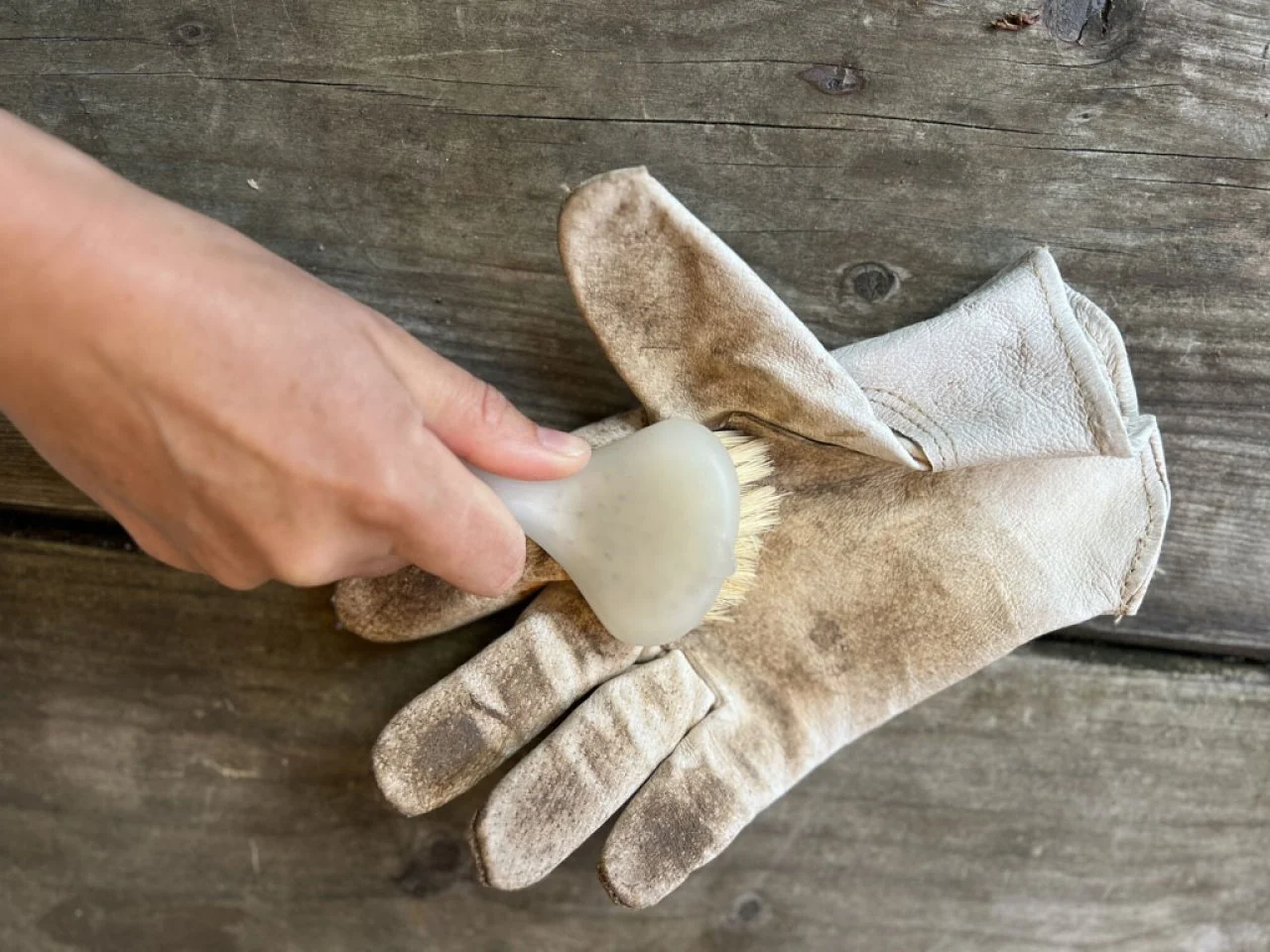
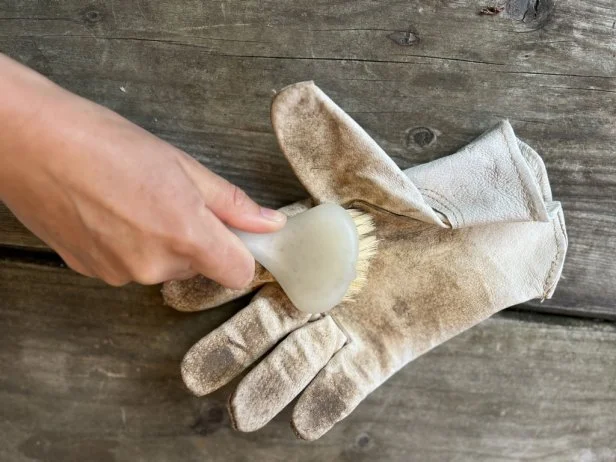
A soft-bristled brush removes loose dirt from a leather glove.
Leather Gardening Gloves
We love a leather gardening glove, especially for heavy-duty gardening chores. However, leather can become stiff or cracked if it's not properly washed. Keep your leather gardening gear supple with these simple tips:
- Remove dirt with a soft brush. Start by using a soft-bristled brush to remove any surface dirt, especially around the wrist and between the fingers.
- Wipe with a damp cloth and mild saddle soap solution. Mix a small amount of soap with water and use a damp cloth to wipe down the gloves. You'll want to avoid soaking the leather — just focus on cleaning the surfaces with a minimal amount of moisture.
- Rinse it away without oversaturating the material. Lightly rinse any residual soap off the gloves with a damp cloth.
- Air dry the leather away from direct heat sources. Lay the gloves flat to dry in a cool, shaded area. Direct sunlight, fans and heating vents can cause the leather to dry out and crack.
- Apply leather conditioner. Once the gloves are dry, apply a small amount of leather conditioner to keep the material supple and soft. Regular use of conditioner will prevent the gloves from becoming brittle, make the gloves more comfortable and ultimately help them last longer.
Emily Fazio
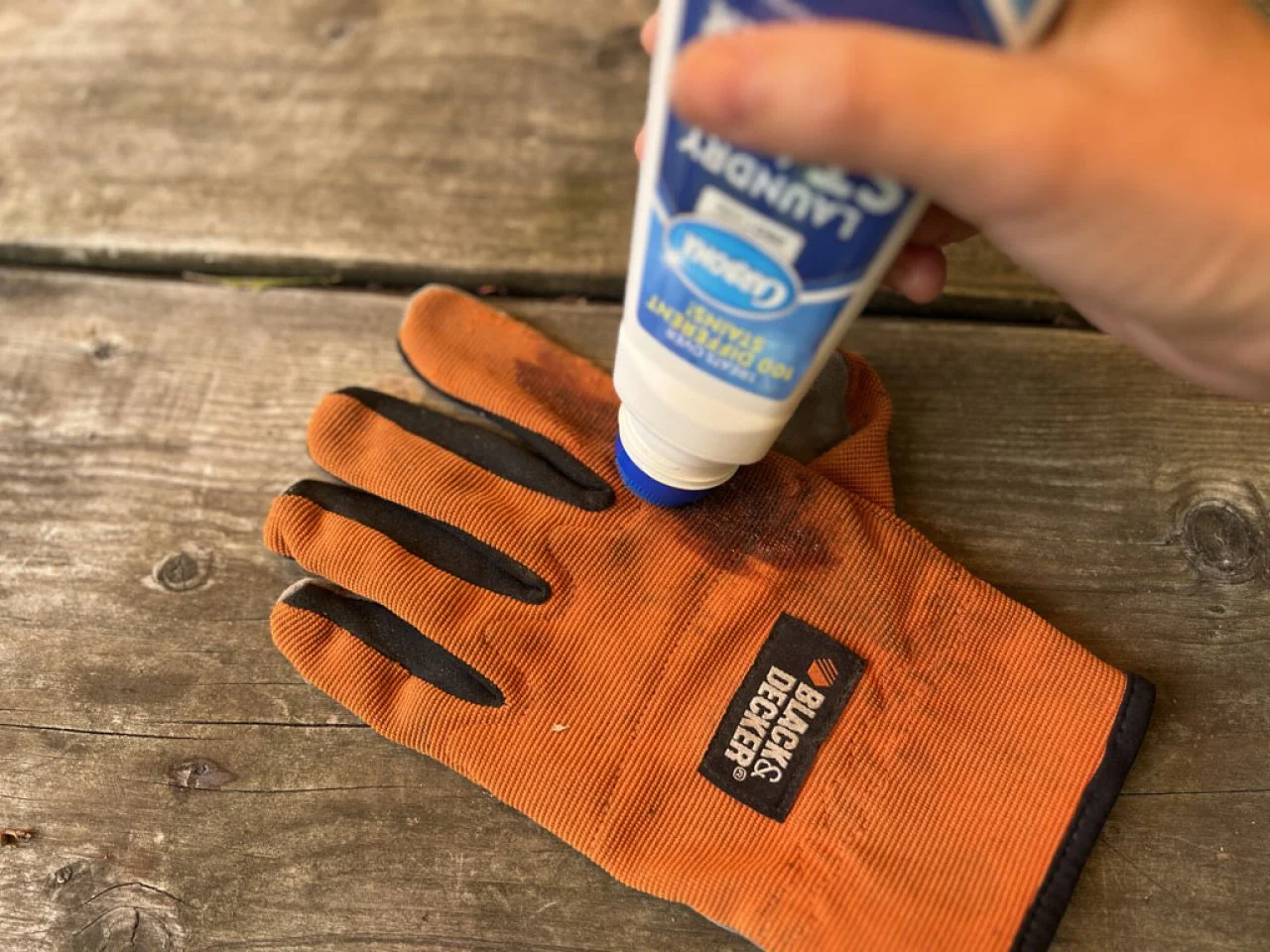
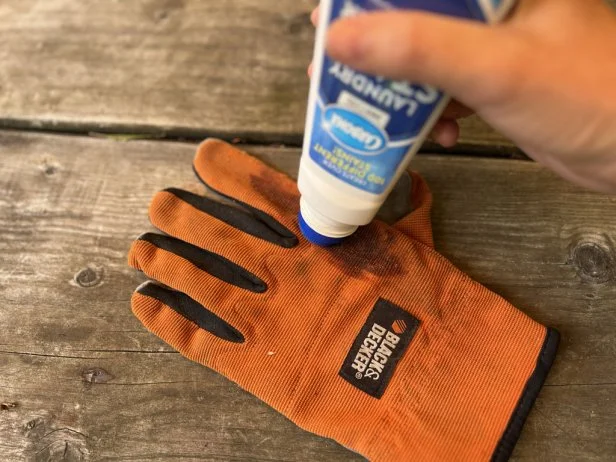
Stain cleaners can help tackle stubborn stains and buildup.
Synthetic Gardening Gloves
Polyester and nylon gloves are popular among gardeners and landscapers due to their comfort and versatility. They're also relatively easy to clean.
- Shake off loose dirt and debris. Before washing, shake the gloves to remove any loose dirt and debris. Excess dirt will clog your sink or washing machine.
- Pre-treat stains. If there are any noticeable stains, you can apply a mild detergent or stain remover. Let the gloves sit for a few minutes so the detergent can start doing its work.
- Hand wash or machine wash. Synthetic gloves can be washed by hand in warm, soapy water or in the washing machine on a gentle cycle. Use a mild detergent and run with a normal load of laundry or towels to thoroughly agitate the material.
- Rinse the gloves thoroughly. If you hand washed the gloves, make sure you've rinsed out all of the soap. Residual soap can leave the gloves feeling stiff.
- Let the gloves air dry. Whether you hand wash or machine wash, it's best to let your gloves air dry. Keep them out of the direct sunlight to prevent fading.
Emily Fazio
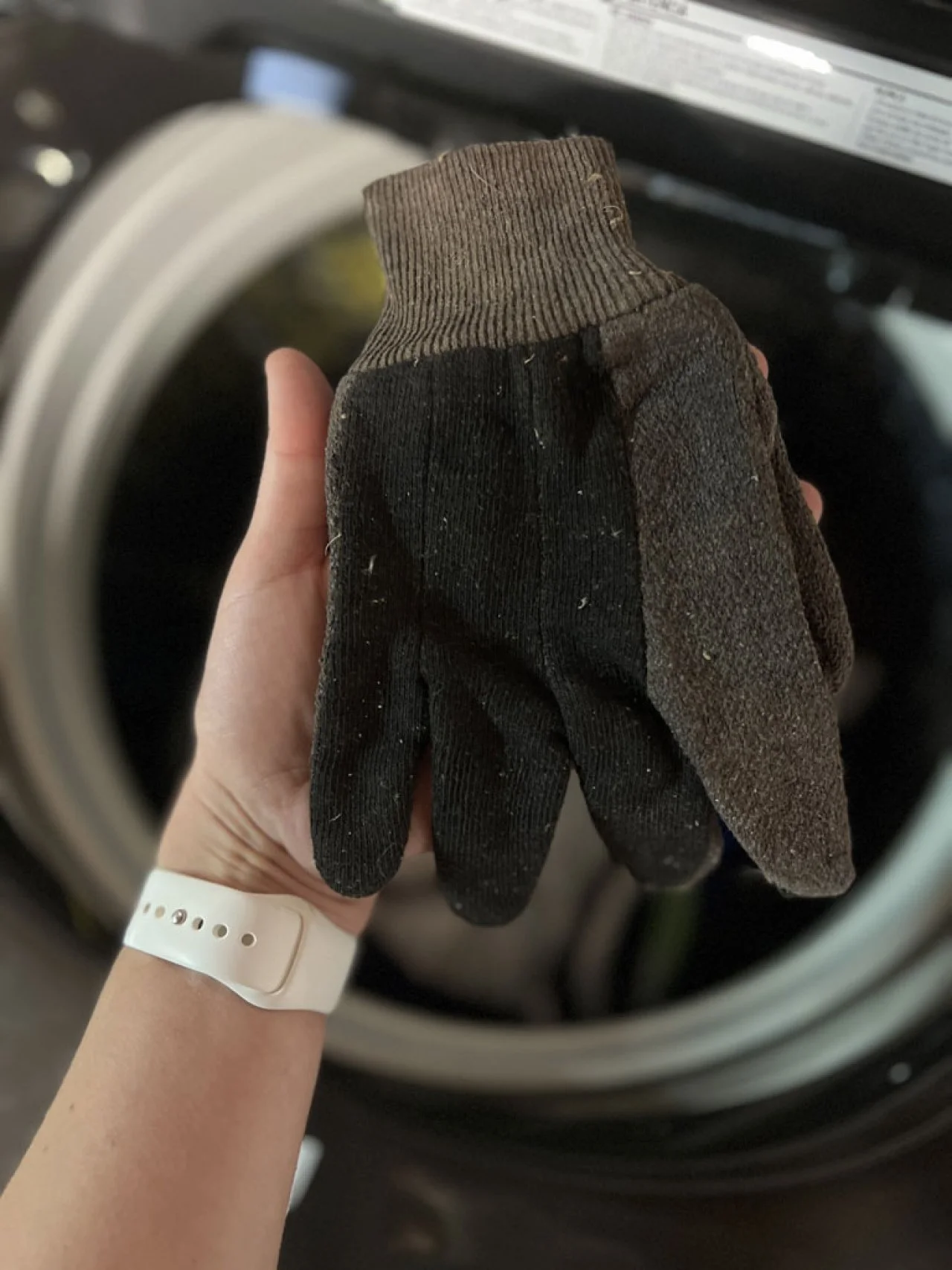
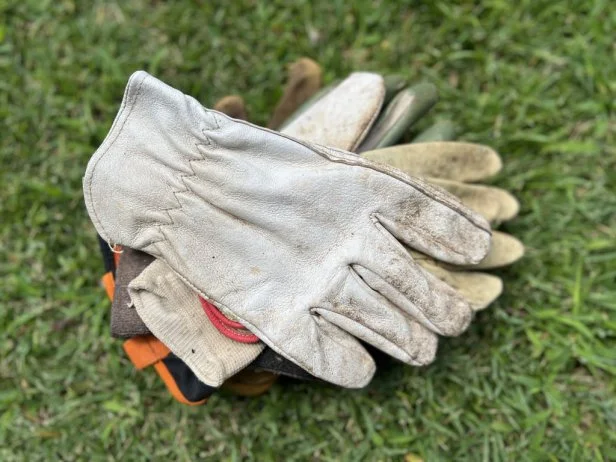
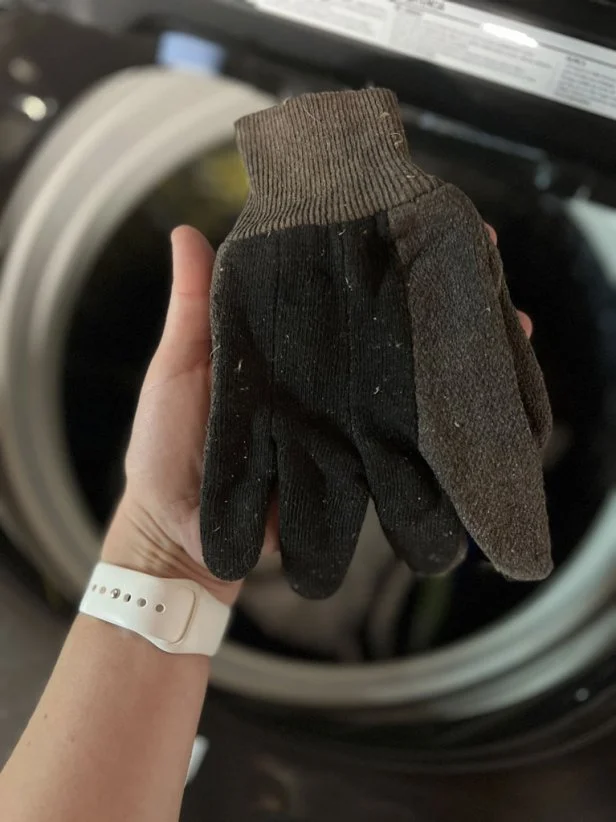
If your dirty gardening glove is cotton, put it in the washing machine on a gentle cycle.
Cotton Gardening Gloves
Cotton gloves are a common choice for light gardening chores. They're breathable and comfortable but are easily dirtied. Regular cleaning is the best way to keep them clean.
- Shake off dirt. As with synthetic gloves, start by shaking off as much loose dirt as possible.
- Pretreat by soaking in warm, soapy water. Fill a bowl with warm water and add a small amount of mild detergent. Submerge the gloves and let them soak for 10-15 minutes to loosen dirt and stains.
- Use a soft brush or your fingers to gently massage the dirt and stains. Pay extra attention to the fingertips and palm areas, which tend to get the dirtiest.
- Machine wash on a gentle cycle. After soaking and scrubbing, you can machine wash the gloves on a gentle cycle.
- Air dry or tumble dry on low heat. Unlike leather and synthetic gloves, cotton gloves can be tumble-dried in the washing machine. That said, if they're not preshrunk, consider laying them flat or hanging them on the clothesline to air dry.
Emily Fazio
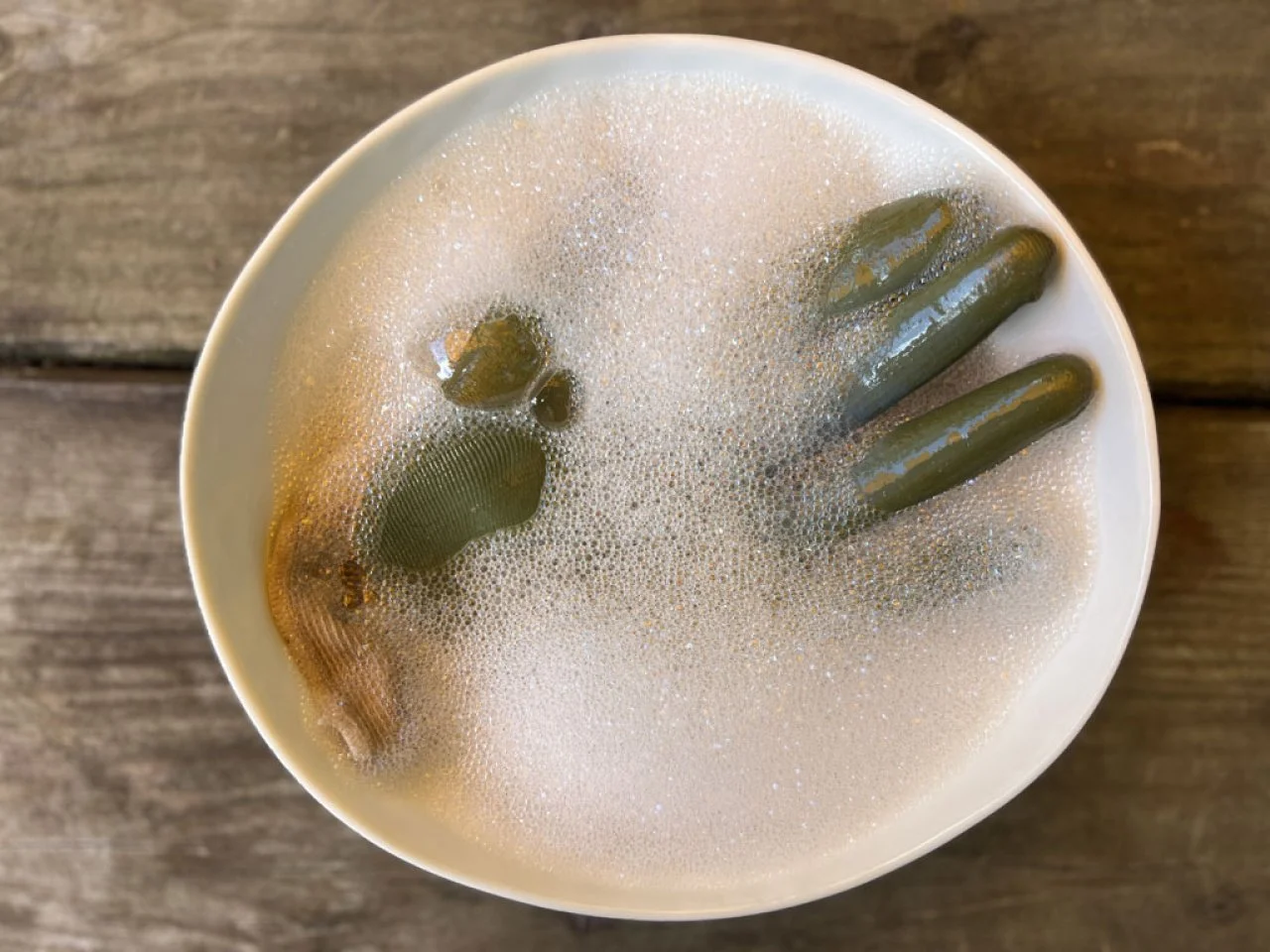
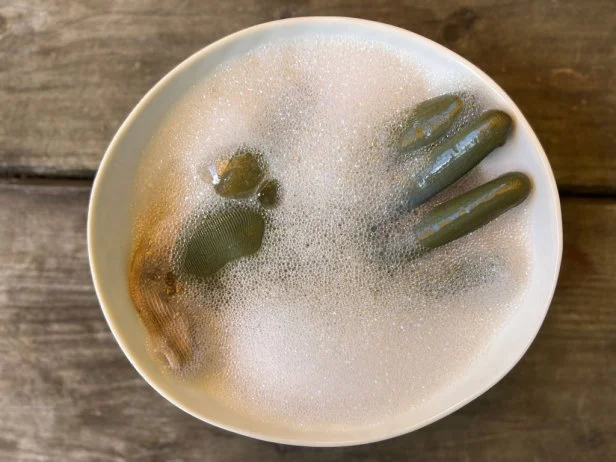
Rubber gloves are easily cleaned in soapy water.
Rubber or Nitrile Gardening Gloves
Gardeners often use waterproof rubber gloves or nitrile gloves for wet and dirty chores. Not only will they keep your hands dry, but they're resistant to chemicals and easy to maintain.
- Rinse off mud and dirt under running water. Start by rinsing the gloves under a stream of water to remove the bulk of the dirt.
- Wash with soapy water. Fill a bowl with warm water and add a bit of mild soap. Use a sponge or cloth to wash the gloves thoroughly, both inside and out.
- Rinse thoroughly with clean water. Make sure to rinse all the soap off the gloves inside and out to reduce skin irritation.
- Hang the gloves to air dry. Hang the gloves upside down to dry. Make sure the insides of the gloves are completely dry before storing them away.
How Often Should You Wash Your Gardening Gloves?
The frequency depends on how often you use them and the types of tasks you perform.
- Daily or frequent use: If you garden daily or handle particularly dirty tasks, plan to wash your gloves at least once a week. This prevents the buildup of dirt and bacteria that can deteriorate the gloves and cause irritation.
- Occasional use: If you garden less frequently, washing your gloves once every few weeks or after particularly dirty tasks will be sufficient.
- After chemical use: If you've used your gloves to handle pesticides or other lawn care chemicals, wash them immediately after use to remove any harmful residues. (Wash your hands really well after handling the dirty gloves, too.)
Can You Put Gardening Gloves in the Washing Machine?
Only cotton and some synthetic gloves can safely be machine-washed. Always check the care label on your gloves before washing them in the machine. Remember: Oversaturating leather gloves with water can damage them and leave them brittle.
How Do You Clean Muddy Garden Gloves?
When dealing with particularly muddy gloves, it's important to rinse off as much mud as possible before washing. If they're leather, let the mud dry, then use a soft-bristled brush to agitate the exterior and dust away dry dirt. For other materials, you can go straight to a sink or hose. Hold the gloves under running water and gently pre-rinse and scrub them to remove the bulk of the mud. Getting the majority of the mud off the gloves will make it easier to treat stains. After this pre-treatment, follow the appropriate cleaning method for the material of your gloves.
How to Remove Stubborn Stains from Gardening Gloves?
You may not mind a few stains on your heavy-duty gardening gloves, but for our nicer gloves (gifts and high-quality leather!), we try to keep them stain-free as long as possible. For synthetic and cotton gloves, apply a mild detergent or stain remover and let it sit for a few minutes before washing. To tackle stubborn stains on leather gloves, use a leather cleaner or a solution of mild soap and water to gently clean the stained area. On any gloves, avoid using harsh chemicals or abrasive scrubbing tools that can damage the material.