How to Improve Old, Worn-Out Soil for Healthier Plants in Pots and Gardens
Now is an ideal time to refresh worn-out soil so you can grow healthier, more vigorous plants in containers and your garden.

Shain Rievley

Great gardens don't start with plants. They start with great soil, and since soil breaks down and wears out, this is a perfect time to refresh your containers and garden beds and borders.
Why Does Soil Wear Out?

photo by Sam Henderson
You can reuse the soil in containers and garden beds, but it may be depleted and need a refresh.
Soil isn't just dirt. It's "much more than the ground beneath our feet and an anchor for our plants," says Dr. Chris Cerveny, Co-Founder and Head of Product & Innovation at Just Good Soil, a company focused on regenerative gardening. "It’s an entire ecosystem, complete with balanced minerals, water, air, plentiful organic matter and billions of microorganisms. Healthy soil is active, too: tunneling earthworms and insects create pore space, fungi weave through root systems to enhance nutrient uptake, and microbes break down organic matter into plant-ready, bioavailable nutrients.”
Over time, plants use up nutrients and fertilizers as they grow, and organic materials like compost break down. Salts and other minerals can build up, affecting the soil's pH, dehydrating roots and burning plants. The soil packs down, limiting how much water and air can get in and out. Plants in old, worn-out soil often just hang on until they die.
But don’t dump out your potted plants or give up on your garden. This is the perfect time to improve old, worn-out potting soil so your plants do more than survive; they thrive.
How to Improve Worn-Out Soil

Remove about 2 to 4 inches of old potting soil before refreshing containers.
Top-dress. Topdressing is a quick and easy way to give your soil a boost. First, scrape out three or four inches of old soil from the top of your containers, being careful not to hurt the roots or stems. Put that soil in your compost pile. Replace it with fresh potting soil designed for the kind of plants you're growing, whether they're houseplants or outdoor potted plants.
The faster your plants grow, the more often you'll need to refresh their soil. In general, add fresh soil to potted plants every 12 to 18 months, or when you're moving plants into bigger pots.
Skip removing old soil when you're rejuvenating garden soil, but clear away weeds, sticks and other debris. It's a good idea to test the soil at this point, to know exactly what amendments and fertilizers it may need. Next, layer 2 to 4 inches of good organic matter over the garden. For best results, work it 6 to 12 inches deep, or spread it out and leave it there. If rain isn't on the way, water thoroughly to settle everything and carry the new nutrients into the old soil.
What Should You Use to Top-Dress Old Soil?

Julie Martens Forney
Add 1 to 3 inches of compost to your garden and mix it in. Add a few inches of compost, some worm castings and slow-release fertilizer to potted plants.
Compost. Aged compost that's dark and crumbly, with a soil-like texture, is an ideal top-dressing. Buy it in bags or bulk, or use what's ready in your compost pile or bin. Compost promotes beneficial microbes and worms, helps balance pH, prevents erosion, boosts soil fertility and improves its structure. Use compost to restore your garden soil at least once a year; add more in mid-season for plants that are heavy feeders, like tomatoes.
What Else Improves Old, Worn-Out Soil?

Fertilized and Unfertilized Plants
Fertilized plants on the left are flourishing. The unfed plants on the right are small and weak.

Photo by: Gardeners Supply Company
Gardeners Supply Company
Fertilized plants on the left are flourishing. The unfed plants on the right are small and weak.
Fertilizer. Old garden and potting soil can benefit from organic, slow-release fertilizers. These products deliver consistent, measured amounts of nutrients for up to several months. Liquid fertilizers are fine, but have to be applied more often. They also act faster, so be careful not to overdo it. Follow the label directions.

Tomas Espinoza
Red wigglers (Eisenia fetida) and red worms (Lumbricus rubellus) castings are better for enriching soil than ordinary earthworm castings. Castings are sold online and through garden centers, nurseries and other retailers.
Worm Castings. Yes, we're talking about earthworm manure. It enriches tired soils with nitrogen, phosphorus, calcium and other nutrients and supports helpful microorganisms. Castings also improve aeration and drainage. You can buy worm castings or raise your own worms, a process called vermicomposting.
Bark. Work small, fine pieces of bark into your garden or potting soil to restore its airy texture and keep it from compacting. Use aged or composted bark, because fresh bark can tie up nitrogen as it decomposes. Bark doesn't provide many nutrients, so supplement it with organic fertilizer, worm castings and compost.

Julie Martens Forney
Top-dress potting soil and garden soil with 1 to 3 inches of mushroom compost.
Mushroom Compost. Top-dress perennials, flowers, vegetables, shrubs and potted plants with aged mushroom compost, the organic matter used to grow mushrooms, or work it into garden soil. Don't use it alone, because it's high in salts and alkalinity and can harm seeds, seedlings and salt-sensitive plants like azaleas. Mix one part aged mushroom compost to 4 parts potting soil in containers, or spread 3 to 6 inches of it over worn-out garden soil, work it in 6 inches deep and water.
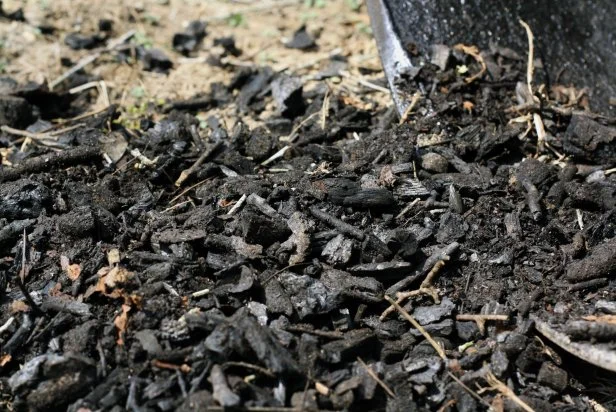
Photo by Mick Telkamp
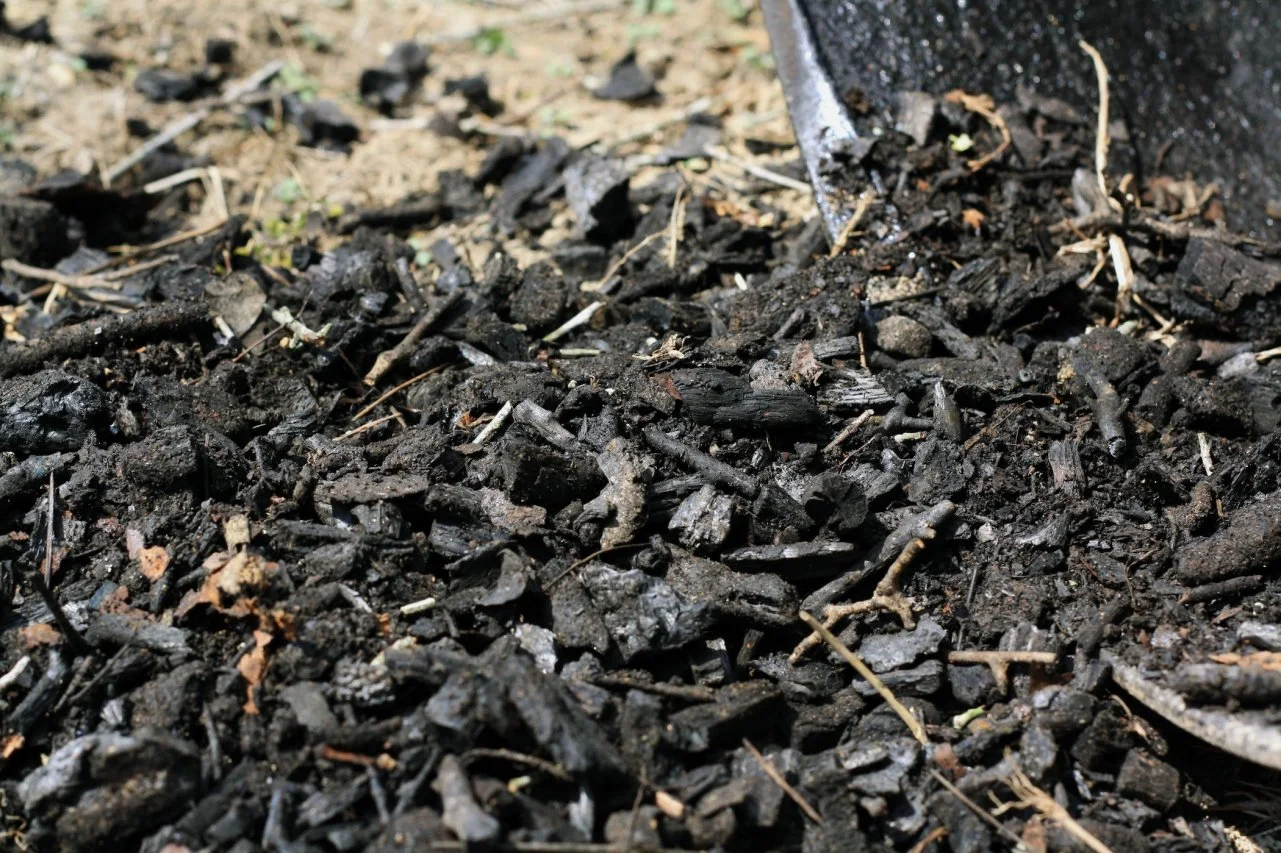
Biochar, a fine-grained charcoal, replenishes soil nutrients and retains moisture.
Biochar. This fine-grained charcoal has been around since ancient times, but it's making a comeback with farmers and gardeners who want sustainable, healthy soil. Used properly, it retains water and nutrients and improves soil structure. Learn about biochar before using it; there are things you need to know, such as mixing it with compost, manure or liquid fertilizer before applying it. Ask your county extension service office for details or research websites like the US Biochar Initiative.
Remember: after refreshing your soil, water thoroughly to distribute any new amendments, nutrients or fertilizers.
Mulch in Place
Ruth Stout, an author known from the 1950s to the 1970s for her "no-work" gardening methods, helped popularize the idea of mulching in place, or adding prunings, straw and other natural materials to garden soil and letting them decompose there. It eliminates the need to bag grass trimmings and leaves, till or tend a compost pile; it also helps suppress weeds. Earthworms attracted to these materials can help aerate and fertilize the soil. If you follow Ruth's lead, be sure you don't use diseased or pest-infested materials, or problems can spread.
Build an Invisible Workforce
“Caring for your garden with a soil-first approach is less about plants, and more about the microbial community living within it, almost like a crop itself," Dr. Cerveny says. "By adding compost, mulch, and other organic matter, you feed the invisible workforce that makes nutrients available to your favorite plants and builds resilience. This gives plants the nutrients, biology, and structure they need to grow successfully year after year.”