
Maintenance Made Easy
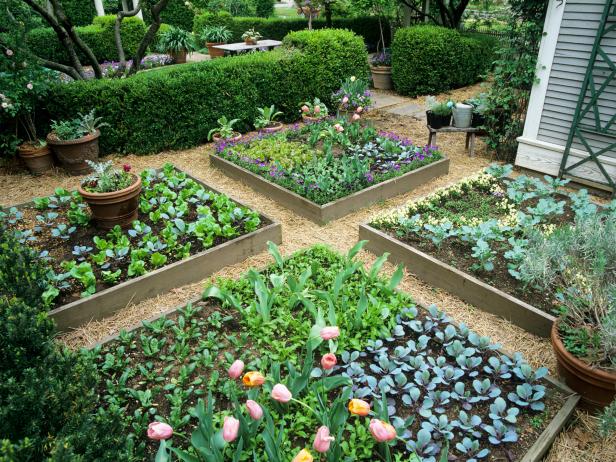
You've done the creative work - the dreaming, the planning and the shopping - and the hard work - the digging, the planting and the building. Now what? Don't roll your sleeves down yet. There's maintenance to be done.
- Excerpted from Garden Design
- A
- A
- A
E-mail This Page to Your Friends
xSuccess!
A link to %this page% was e-mailed
Making a garden is a process that doesn't end when the construction and planting stages are complete. Even in low-maintenance plots, gardens only thrive when the plants are tended and the soil replenished. Some jobs are regular weekly tasks, but many others only need to be done once or twice a year.
When and How to Water
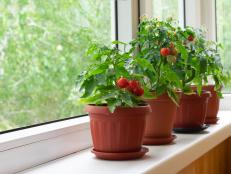
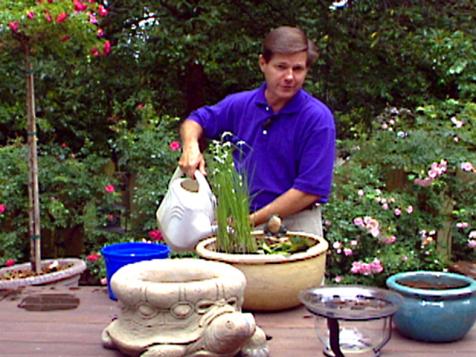
Environmentally conscious gardeners and people living in drought-prone areas are increasingly aware of the need to save water. Containers, together with some types of vegetable crops and bedding plants, may need regular summer irrigation. Shrubs, trees and perennials need watering only at planting time and during dry spells in the first year or two, or until they are well established. No matter how brown the grass may turn, established lawns never actually need watering and will eventually recover from drought.
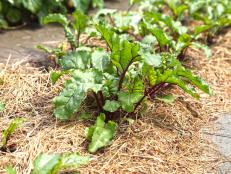
If you need to water, do so in the cool of the morning or evening to minimize evaporation, and water close to the soil rather than overhead, targeting specific plants. Mulches, such as bark compost, help seal in moisture and reduce competition from weeds. It is better to water heavily, and less often, allowing moisture to penetrate well into the soil and encourage deep rooting, than to water lightly but more frequently.
Making Watering Easy
Although watering can be an enjoyable task, if you are pressed for time or have a large plot, some shortcuts are welcome. Automatic irrigation can be very efficient and, if properly managed, help to save water. It also makes sense to collect rainwater at sites around the garden and to make use of recycled or "gray" water, for example from the bath or dish water if you've used natural cleaning products.
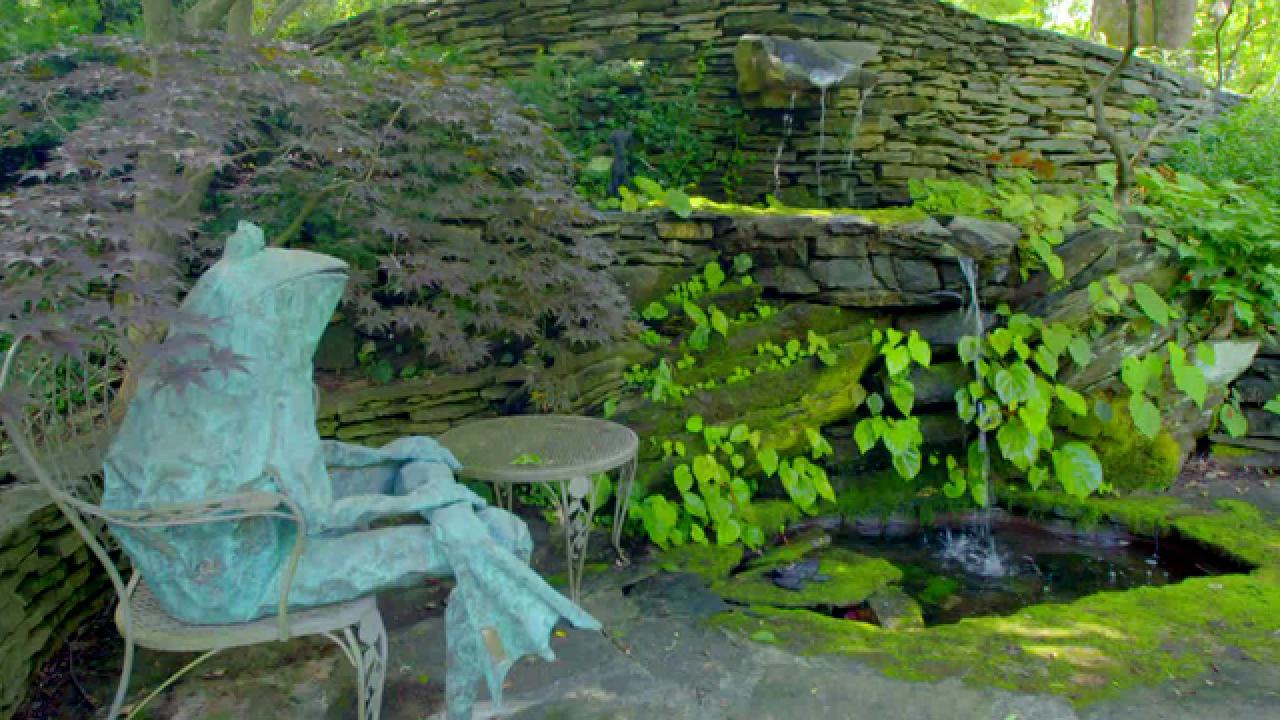
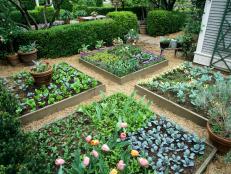
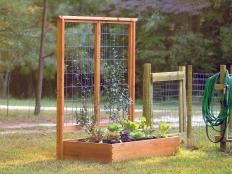
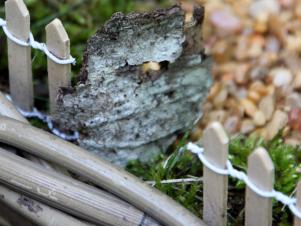
The perfect use for your old, leaky garden hose: connect it to an outdoor faucet or water barrel so it can channel water directly to where it is needed, through a newly planted border, for example (image 1).
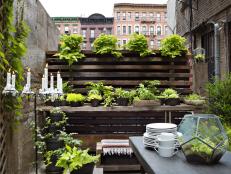
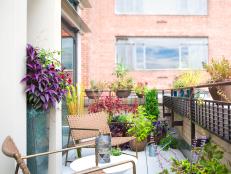
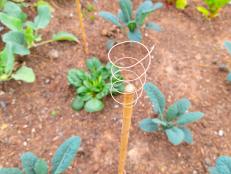
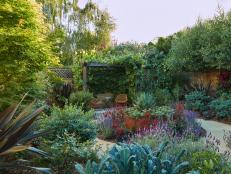
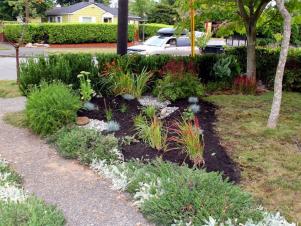
If you are often away from the garden for more than a couple of days or are too busy to water all your patio containers regularly, consider installing an automatic irrigation system with a timer (image 2).
Enlarge Photo+Shrink Photo-DK - Garden Design © 2009 Dorling Kindersley Limited
Benefits of Deadheading
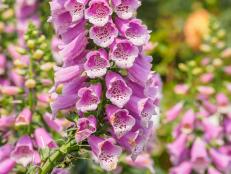
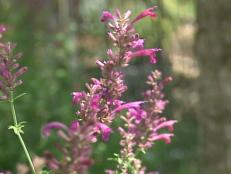
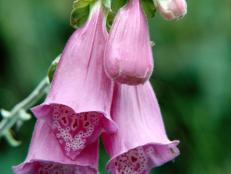
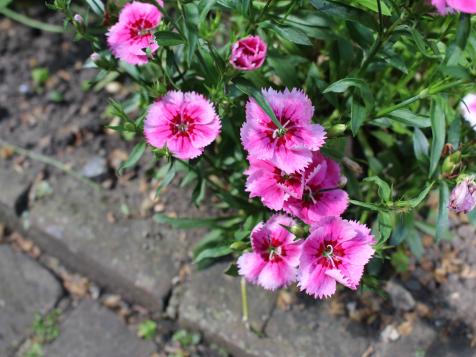
In order to attempt to reproduce, plants divert their resources from other activities to focus on developing a seedhead. To encourage more flowers you need to remove faded blooms before they have a chance to form seed, in a process called deadheading. This is especially important for annuals which can stop flowering altogether and even die if you don’t deadhead regularly. But perennials, including so-called patio plants, can also be encouraged to flower for much longer if they are deadheaded. Removing old, blemished heads also improves the appearance of plants and reduces the risk of disease.
Enlarge Photo+Shrink Photo-DK - Garden Design © 2009 Dorling Kindersley LimitedExcerpted from Garden Design
©Dorling Kindersley Limited 2009
We Recommend...
How to Prune Shrubs
When you prune a shrub mostly depends on when it blooms. Here are the basic rules of pruning woody plants.
Easy DIY Projects for Beautiful Garden Accents
Create a stunning, one-of-a-kind gazing ball, birdbath, mirror garland and more. We show you how.
(6 photos)From our Sister Sites:
- High-Maintenance vs. Low-Maintenance Gardens (from HGTVGardens)
- Low-Maintenance Plants for Easy Landscaping (from DIY Network)
- Easy Maintenance Tips For Grills (from DIY Network)
Shop Outdoor Products
Shop outdoor products from fire pits to outdoor furniture, planters and more