

8 Things to Do Now to Prevent Frozen Pipes This Winter
These simple steps to prevent frozen pipes can protect your home from thousands of dollars in damage.

©iStockphoto.com/BanksPhotos

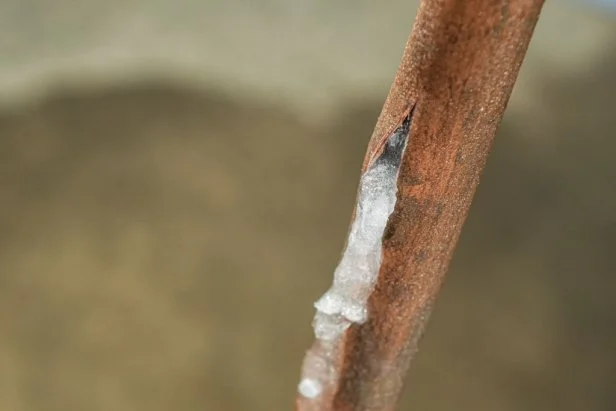
Frozen pipes almost always lead to disaster. While you might get lucky, many pipes that freeze burst, leading to water damage once they thaw. To avoid this fate, you must take precautionary steps to prevent frozen pipes before winter arrives. Below, we’ve explained eight things you can do now to prevent frozen pipes this winter, and what to do if your pipes freeze.
Understanding Frozen Pipes
Luckily, pipes don’t inevitably freeze whenever outside temps dip below 32°F. In fact, it often takes sustained cold, with temperatures at 20°F or lower, before pipes freeze. So, what determines if pipes freeze? It has to do with the specific pipe’s susceptibility to freezing due to its location, the severity of the temperatures and the duration of the freezing temperatures.
For example, some well-placed pipes may not be at risk of freezing until temperatures reach extremely cold temperatures for hours, while other more vulnerable pipes may freeze within minutes. Here are the pipes most at risk of freezing:
- Pipes in uninsulated exterior walls
- Pipes in garages
- Pipes near foundation vents
- Pipes on the north side of a home (more cold exposure/less sunlight)
- Pipes in older homes
- Pipes in partially renovated homes
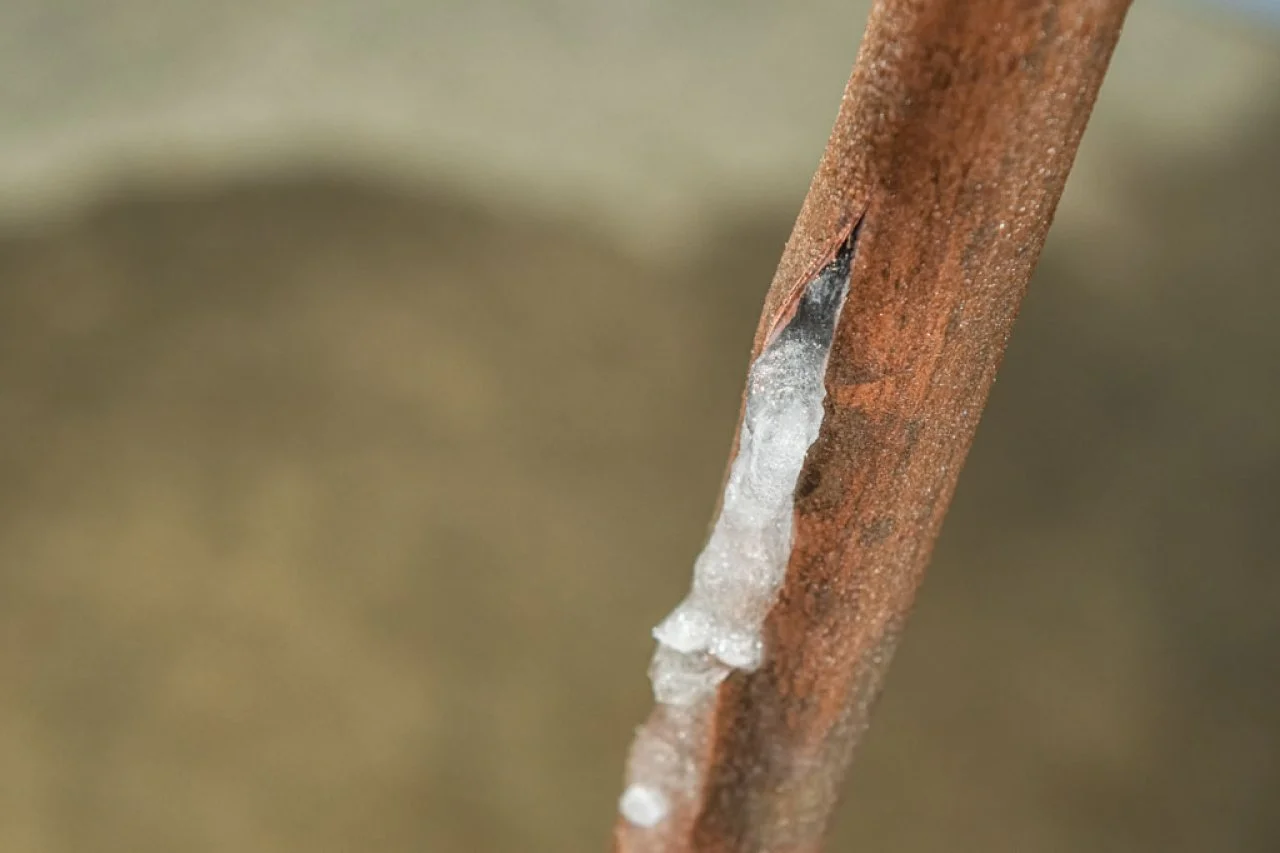
Warning: Many homeowners believe that PEX won't burst under any circumstances, but it can still freeze and burst during severe, sustained cold.
Signs of Frozen Pipes
There are a few telltale signs of frozen pipes that you should familiarize yourself with, including:
- Little or no water flow. If the weather is freezing and you turn on a faucet and find little to no water coming out, it’s likely due to a frozen pipe. On the other hand, if your sink, tub, toilet, or other drains aren’t draining, you could have a frozen drainpipe.
- Unusual sounds. Frozen pipes may cause gurgling or banging sounds due to blockages and ice movement.
- Frost and condensation. Visible condensation or frost on a pipe is a key indicator that the pipe is frozen.
- Bulging pipes. Pipes may appear bulged due to the expansion of the ice.
How to Prevent Frozen Pipes
Getty Images/nsj-images
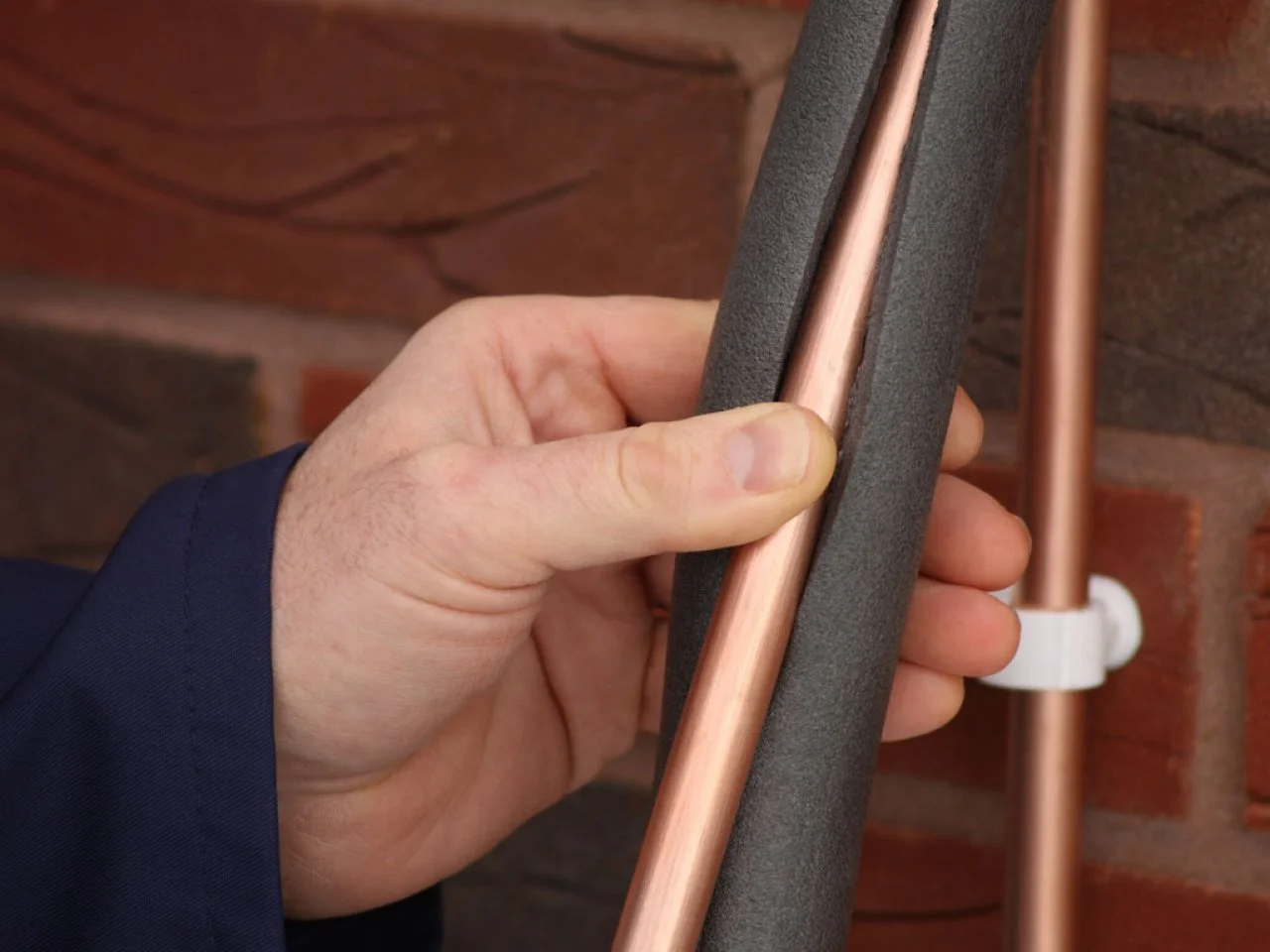
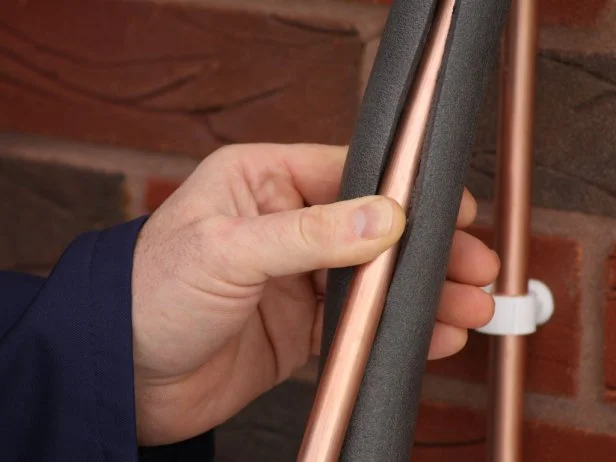
- Insulate Vulnerable Pipes. If you have pipes that are located in a vulnerable area, such as along an uninsulated exterior wall, in an unheated room, in a drafty crawlspace or attic, near a basement window or door or any other spot that may put the pipe at risk of freezing, take time to insulate the pipe using pipe insulation.
- Consider heating tape or cables. For exceptionally vulnerable plumbing, pipes can be wrapped with heating tape or cable to keep them warm with electricity.
- Keep cabinet doors open. If you see that temperatures will drop for an extended period, open your sink cabinets to promote airflow. When these cabinets are closed, they are essentially unheated, leaving the plumbing inside more susceptible to freezing.
- Let faucets drip. During periods of cold weather, let your faucets drip. This helps prevent freezing by keeping the water steadily flowing through the pipes.
- Leave your heat on. While we're always looking for ways to save energy in the winter, turning the thermostat down too far or, worse, turning the heat completely off, can quickly result in frozen pipes. For best results, keep your thermostat set to at least 55°F.
- Disconnect water hoses. While you may not worry much about your water hose freezing, leaving a hose attached can cause water to freeze and expand into the faucet and pipe, causing internal damage.
- Cover outdoor faucets. After you remove and drain your water hoses, use an insulated cover to protect your outdoor spigots.
- Seal drafty areas. If you notice your attic, crawlspace or any other location with plumbing is particularly drafty, taking time to seal up the air leaks can protect your plumbing during freezing weather.
Pro Tip: If you're heading out of town during extreme cold, consider shutting off your main water valve and draining your water lines for added protection and peace of mind.
Emergency Measures for Thawing Pipes
Getty Images/cmannphoto
If you do have frozen pipes, it’s essential to practice safe thawing techniques to prevent avoidable damage.
- Turn the water supply off first. Before attempting to thaw a frozen pipe, locate the valve and turn the line off.
- Never use an open flame. Open flames and houses are rarely a good mix, so avoid using fire to thaw frozen pipes.
- Use gentle, consistent heat. A hair dryer or a heat gun on low will gently warm the pipe up. Keep a safe distance from the pipe and maintain consistent movement to evenly spread the heat. If using a heat gun, maintain a safe distance from flammable materials, such as insulation and framing.
- Use heating tape. While heat tape is an effective way to prevent frozen pipes, it also works well for gently thawing them.
- Work from the faucet or drain. When thawing, start at the faucet or drain and work toward the blockage to ensure any water and steam can escape as you go.
When to Call a Professional
If you are unable to find your shutoff valve or if you notice cracks, bulging, or leaking at any point, stop thawing and call a plumber immediately. If the frozen pipes haven't yet burst and you're unable to thaw them, a professional may be able to thaw them before any damage occurs.