What to Know about Top Dressing Your Lawn for Thicker, More Even Turf
Here's everything you need to know before top dressing your lawn, including the best materials, how and when to top dress your lawn and how to care for it afterward.

Lawns and Stone Retaining Wall
Fieldstone retaining walls help carve out separate areas for flat terraced lawns and a patio.

Photo by: Rosemary Fletcher
Rosemary Fletcher

If you want a lush lawn like those you pass in your town’s prettiest neighborhoods, you may think you need to lay on the fertilizer and weed killer and install an irrigation system. While these tools have their place in lawn improvement, the real green grass growth starts with adequate, healthy soil. This is why top-dressing your lawn could make all the difference. Below, we’ve explained how to top dress your lawn and the numerous ways it can improve the look and health of your grass.
What Is Top Dressing?
Top dressing lawns is the process of spreading a thin layer of material, often compost, sifted topsoil, sand, or a combination of these, on top of an existing lawn. When done properly, top dressing the lawn will level the lawn and add necessary nutrients to the soil that boost the grass's health and appearance.
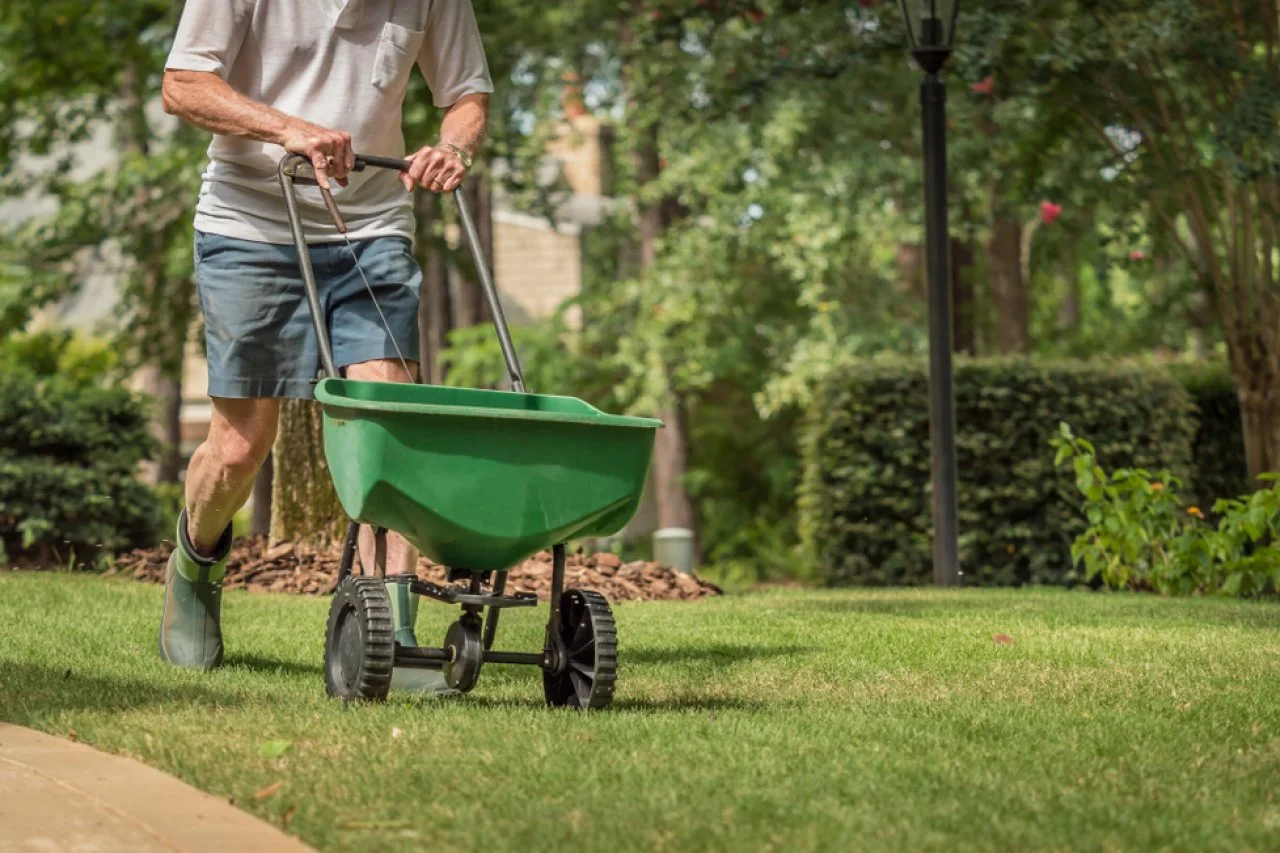
After top dressing a lawn, many homeowners opt to seed the lawn, which helps to fill in any bare spots. If your soil is healthy and you don’t need to level the lawn, this effect can also be achieved by simply overseeding the lawn, a process that involves spreading seed on an existing lawn.
Topdressing before seeding can be more effective than simply overseeding, as it guarantees better seed-to-soil contact, which is crucial for germination.
Shutterstock/The Toidi
Benefits of Top Dressing Your Lawn
Smooths out Rough Lawns
One of the most practical benefits of top dressing your lawn is that it levels the lawn. By spreading a thin layer of soil on the lawn, then dragging it out using a wide rake, you naturally fill any low spots. While the added material will settle somewhat over time, the end result is a fairly level surface.
Pro Tip: Top dressing isn't the time to level severely rough lawns. If the lawn is out of level more than an inch, attempting to simply fill the hole with dirt during top dressing will only suffocate the grass and prevent regrowth.
Improves Soil Structure and Fertility
Adding organic matter to your lawn through top dressing naturally amends your soil without the use of chemicals and fertilizers, altering and boosting its nutrients to better serve your grass’s needs. How top dressing amends your soil depends on the top-dressing material you choose, which we’ll cover below.

Flynnside Out Productions
How to Choose the Right Top-Dressing Material
Choosing the right top-dressing material depends on your grass type, your location and what you’re trying to achieve by top dressing your lawn. Here are the most common materials used for top dressing a lawn and their pros and cons.
Topsoil. Topsoil is a good middle-ground top-dressing material. It can add valuable nutrients and smooth out a bumpy lawn.
Compost. Compost is full of nutrients that can amend your soil and improve your grass growth, but it doesn't go on as smoothly as sand or topsoil.
Sand. Sand is ideal for improving your lawn's drainage and smoothing it out, but it lacks the necessary nutrients for boosting your grass's growth.
Custom mixture. You can combine sand, compost, topsoil and more to create a custom top-dressing mixture based on your soil and grass's needs. Your local landscape supply house may have a region-specific blend called "top-dressing soil" or similar.
Shutterstock/photowind
When and How to Top Dress Your Lawn
Much like choosing the best top-dressing material, determining the best time to top dress your lawn depends on the type of grass you have and your location. Regardless of the type of grass you have, you should only top dress your lawn when the grass is actively growing. This means warm-season grass lawns should be top dressed in the spring and summer, while cool-season grasses should be top dressed in the fall.
The steps on how to spread topsoil on a lawn are simple, but there are a few key things you'll want to do to guarantee your grass's regrowth:
- Cut the grass short.
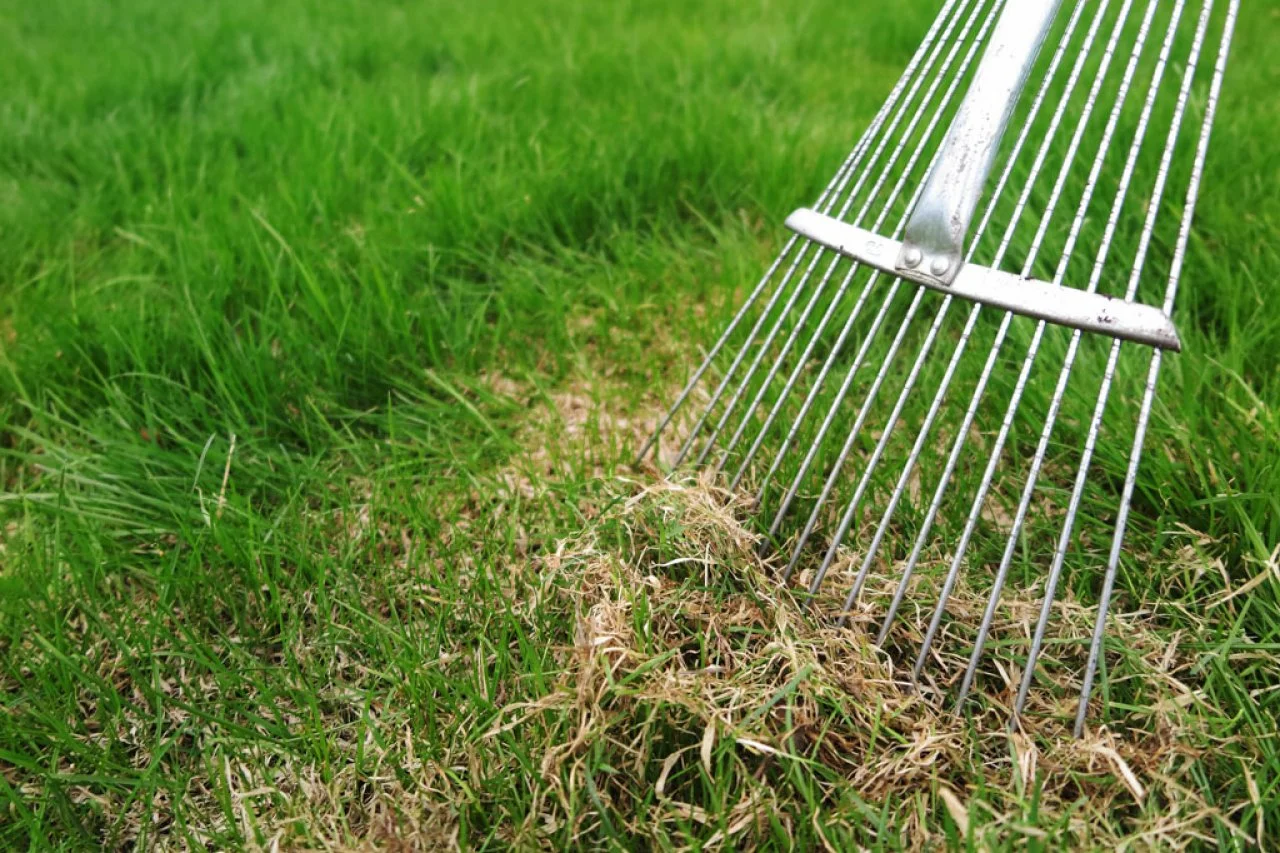
- Dethatch and remove any debris.
- Aerate the lawn (optional).
- Mix your top-dressing material.
- Distribute the material in small piles.
- Rake the piles into a thin layer.
- Level the lawn using a wide rake or a lawn-leveling rake.
- Seed the lawn (optional).

Rain Bird Corporation at RainBird.com
Aftercare: Maintaining Your Lawn After Top Dressing
Once you’ve finished top dressing your lawn, there are some aftercare tips that will ensure your efforts yield the best results possible.
Water Your Lawn Regularly After Top Dressing
To help your grass reestablish after top dressing, you need to ensure it has adequate water. This is even more essential if you choose to seed the lawn after top dressing.
Keep off the Lawn
After top dressing, the lawn is in a delicate state. Until the grass has had time to bounce back and grow in and through the top-dressing material, minimize any traffic from walking, toys, lawnmowers, vehicles and anything else. Once the grass is strong again, you can confidently return to normal use.