

How to Overseed a Lawn in 4 Steps
Reinvigorate your thinning grass by learning how to overseed your lawn. See the steps below.
Shutterstock/The Toidi
Before spreading new seed when overseeding your lawn, be sure to ready the existing lawn to accept the new seed and be prepared to water the new seed sufficiently and regularly. Learn how to overseed a lawn in the simple steps below.

The hot temperatures of summer can take a toll on your lawn, causing thin spots or even bare patches that invite weeds to take hold. Fall is the right time to overseed your lawn if you're growing a cool season grass such as fescue or Kentucky bluegrass.
For best results when overseeding a lawn, it's vital to spread the seed at the right time, properly prepare your lawn to accept the new seed, then give the seed the best chance to germinate by watering sufficiently and regularly.
Below are steps on how to overseed your lawn as a method of reinvigorating existing turf. Note: The term "overseeding" also can refer to spreading seed over a warm season lawn to provide a green cover during the winter, which should only be done for bermudagrass lawns.
If you time your overseeding right and prepare your soil correctly, then you'll likely be rewarded with a thicker lawn that's more resistant to disease.
When is the Best Time to Overseed a Lawn?
Clint Waltz, a turfgrass extension specialist with the University of Georgia, says it's a good time to overseed when evening temperatures are in the low 60s, which is generally from mid September to mid October, depending on where you live.
How to Overseed a Lawn
Tools Required
- lawn mower
- rake
- drop or broadcast spreader
- hose
- sprinkler
- core aerator (optional)
1. Mow it Low
It's vital that your grass seed gets good contact with the soil so seeds can germinate. Preparing your lawn for seed starts with mowing the lawn to a height of 1 1/2 to 2 inches so the seed has a better chance of getting past the existing lawn canopy and reaching the soil.
2. Rake to Remove Thatch
Grass seeds can't germinate if they land on yard debris. Rake away any buildup of thatch from lawn clippings (from the mowing you just performed), sticks and leaf debris.
Note: This also is a good time to consider core aeration, which will further improve the lawn bed into which the seeds will be spread.

How to Aerate Your Lawn
Lawn aeration encourages deep roots, resulting in a healthy lawn. Learn how to give your grass a breath of fresh air with these aerating tips.
3. Spread Seed
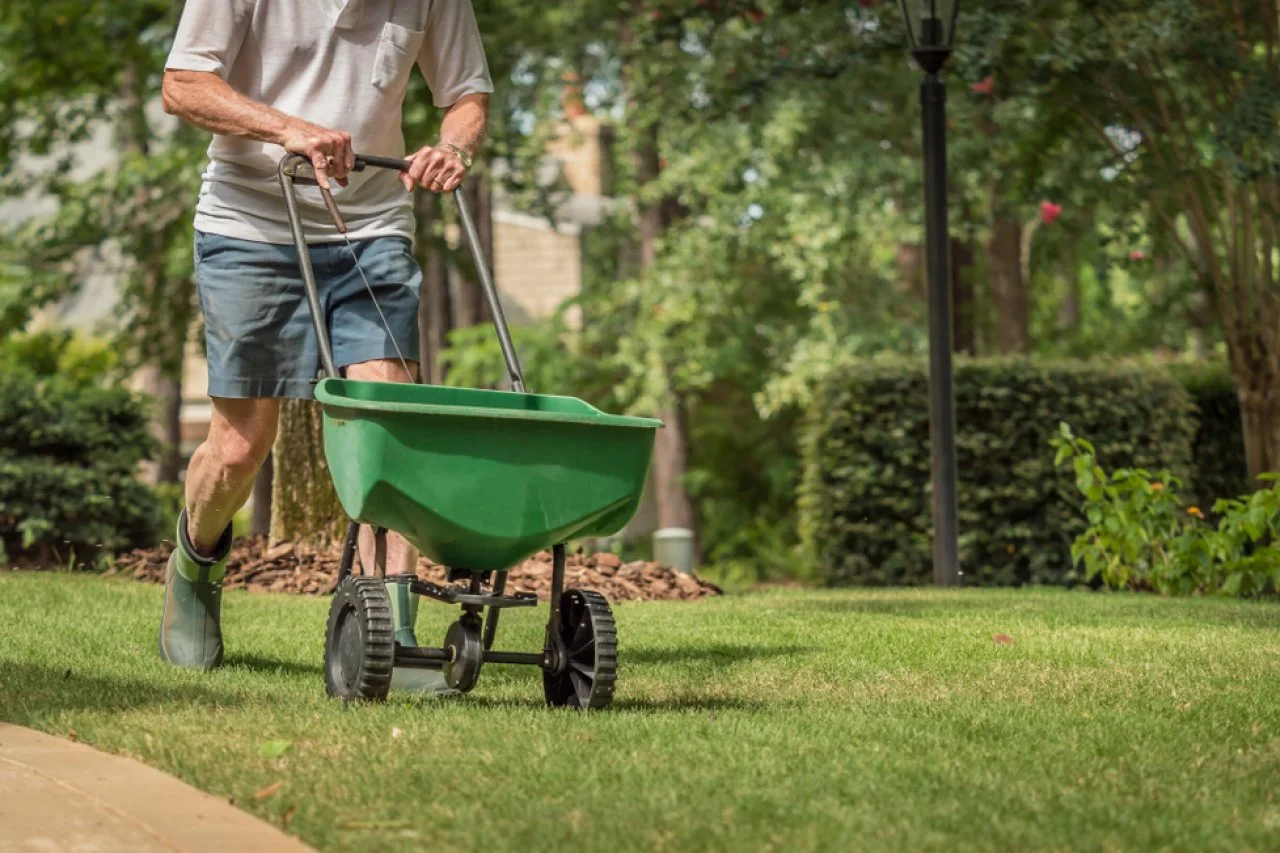
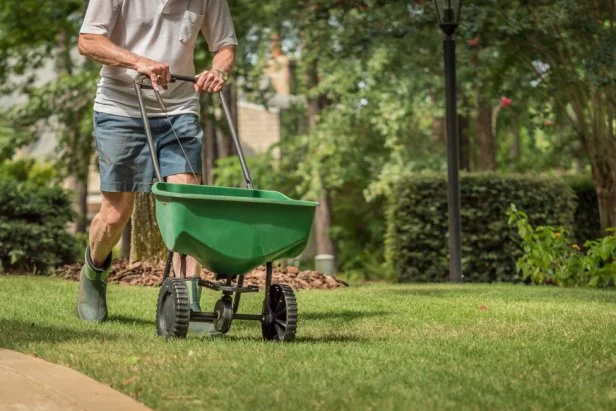
Waltz says either a drop spreader or a rotary spreader will get the job done. The key is to get uniform coverage when spreading seed. To do so, try this: Cut the recommended amount of seed for the coverage area in half, then run the spreader over the area twice and in two different directions.
How Much Grass Seed for Overseeding: Waltz recommends spreading about 3 to 5 pounds of fescue seed per 1,000 square feet or 1 to 2 pounds of Kentucky bluegrass per 1,000 square feet.
4. Water Seed Consistently
The key to proper watering is consistency. The new seed must be kept moist, but not too wet, to encourage germination. "There is no pause button," says Waltz. "If you stop watering and let it (seed) dry out, then you'll lose the seed."
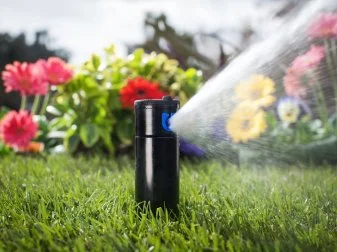
How to Water Your Lawn the Right Way
Learn the ins and outs of lawn irrigation, including expert tips on how long to run the sprinkler.
You'll want to continue to water the seed the first few weeks after spreading — about 10 to 14 days. Seed will germinate more quickly in warmer temperatures, so overseeding earlier in the suggested window of time likely will mean you'll have to water for fewer days.
Note: You don't need to put down mulch when overseeding an existing lawn. For very thin spots in your lawn, however, you could spread a light layer of pine straw as a mulch.
Also, feel free to reach out to your local extension office with any questions regarding overseeding.

12 Year-Round Lawn Care Tips 15 Photos
No matter what time of the year you’re growing grass, brush up on your lawn care routine with these quick and easy tips.
Overseeding FAQs
When Should I Fertilize After Overseeding?
Waltz says you can fertilize 21-28 days after the seeds first germinate.
Note: Do not overseed if you've spread a selective herbicide within the past 60 days, says Waltz, as selective herbicides don't know the difference between crabgrass and grass seed. And don't spread an herbicide within 30 days after overseeing. "Let your mower be your weed control," says Waltz.
When to Mow After Overseeding?
Mow when the new grass seedlings grow to your intended lawn height, which could be about a month after germination. Mowing sooner could result in the seedlings being pulled out of the ground.