


.jpg.rend.hgtvcom.196.196.suffix/1738869389274.jpeg)


13 Fall Lawn Care Projects to Get Your Lawn Ready for Cool Weather
Follow these easy fall lawn maintenance steps to ensure green grass come spring.

S.Borisov/Shutterstock

When fall starts bringing on colorful autumn leaves, frost can't be far behind. Whether you garden where winter is mild or where blizzards pile up the snow, take steps in early fall to prepare your lawn for cool weather. Giving your grass some autumn TLC ensures you'll be seeing healthy green come spring.
What does it mean to winterize your lawn?
Keep your turf in tip-top shape by preparing it properly for winter. This process, known as winterizing the lawn, involves simple steps that don’t require lots of time or money. When you winterize a lawn, you’re paving the way for lush, healthy spring turf.

©iStockphoto.com/oleksagrzegorz
Adjust Mower Height
Don't scalp warm-season grasses as cooler weather arrives. This includes St. Augustine, Bermuda, centipede and zoysia grass. Raise the mower 1/2 to 1 inch during fall. This helps the grass increase leaf area. More leaf area capturing sunlight leads to more stored food in grass roots as winter arrives. The lawn will also become denser as leaf area expands, which helps prevent weeds from establishing during the grass's dormant season.

Image courtesy of Ben Rollins.
Fertilize Cool-Season Grass
Cool-season turf usually contains fescue, Kentucky bluegrass or perennial ryegrass. Most lawn care professionals recommend fertilizing cool-season turf once per year — in fall. This typically means October or November in cold-winter areas. Get your fertilizer down before grass blades start to discolor with the arrival of cold air. Feeding in fall fuels leaf blade development, which results in more food stores in grass roots. Those food stores help the grass survive winter and are responsible for a quick green-up in spring. The lawn fertilizer typically available in fall is called winterizer fertilizer. Check with your local extension office to discover fertilizer timing for your region.
Treat warm-season lawns (with Bermuda, centipede, St. Augustine and zoysia grass) differently.
- In regions where late fall brings freezes... warm-season turf grass typically goes dormant in winter. In these areas, do not fertilize warm-season grasses after September 1, or you risk fueling new growth that will be damaged by freezes. This type of damage makes roots more susceptible to stress and damage.
- In mild winter regions... warm-season grass stays green through winter. In these areas, you do want to fertilize the lawn in early autumn. Apply a fertilizer with a slow-release nitrogen source at modest rates to fuel long-term steady grass growth—which crowds out winter weeds.

Image courtesy of Felder Rushing
Deal With Weeds
Get a jump on perennial cool-season weeds, like dandelion and henbit, by treating lawns with a pre-emergent herbicide in early fall. This trick works well in cool-season lawns. Treating in fall prevents seeds that dropped onto the lawn in early summer (before temps soared) from sprouting. It also helps reduce the number of weeds you'll see next spring.

photowind/Shutterstock
Repair Bare Spots
Tackle small bare spots in cool-season lawns with simple seeding. New grass takes off in autumn's cooler temperatures, sinking roots and adding top growth quickly. Don't forget to water newly seeded areas of the lawn. Keep off newly planted lawn so roots can establish.

©iStockphoto.com/monkeybusinessimages
Rake Leaves
Stay on top of leaves through autumn. Don't allow leaves to accumulate and lay on your lawn for more than a few days, or you risk damaging grass blades. This is especially important for turf that's still actively growing in fall. You want leaf blades to receive as much sunlight as possible so grass can store heavy food reserves in roots. That's the secret to ensuring grass survives through winter.

©iStockphoto.com/FotoEvans
Stay Off Too-Wet Grass
If fall rains have your soil chock-full of water, stay off the lawn to avoid compacting soil. Don't rake when the lawn is too wet or you risk pulling up grass by the roots.

iStockphoto.com/rmarnold
Mow Leaves on Lawn
Forget the manual labor of raking and try mowing fallen leaves. Use a mulching mower and you can let leaf pieces lie. Or, attach the grass catcher to collect chopped leaves for the compost pile or mulching planting beds. Leaves mow best when they're dry. You can also rake leaves out from around shrubs onto the lawn so they’re accessible for mowing.

Photo by Julie A. Martens
Aerate
The best time to aerate grass is just before it enters its most active growth phase. For warm-season grasses, the timing is late spring-early summer. For cool-season grass, it's early fall. Aerate so that grass will have at least four weeks to recover and grow before frost arrives. If possible, spread fall fertilizer on cool-season lawns shortly after aerating. It helps fuel recovery growth in the lawn.

Bochkarev Photography/Shutterstock
Aerating Options
The best way to aerate a lawn is with core aeration, where you physically pull small plugs of soil from the lawn. Some lawn mowers have an aerator attachment, or you might rent an aerator for this task. If you go the renting route, have help handy. The machine is heavy and requires strength to move and operate. For small lawns, try a manual aerator.

Elena Elisseeva/Shutterstock
Overseed With Ryegrass
If you want to keep your zoysia lawn green through winter dormancy, overseed with annual ryegrass. Avoid using perennial ryegrass. The annual type dies out as summer heat arrives, while the perennial type keeps growing — and might outcompete your desired turf grass for water and nutrients. Before overseeding, ask yourself which you can't stand more: the sight of a dormant lawn or more months of (ryegrass) mowing chores.
Pitchayarat Chootai/Shutterstock
Lay Sod
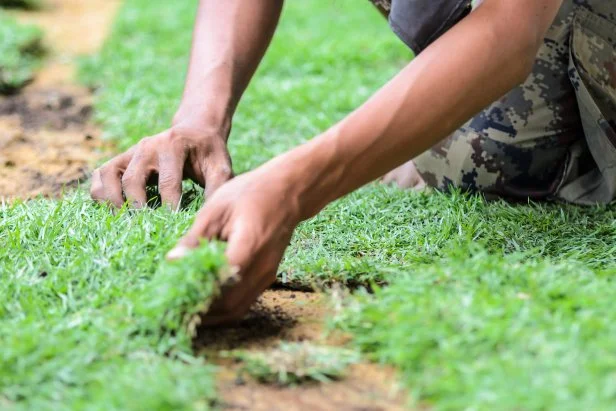
Fall is the cut-off for laying sod in regions with tough winters. Make sure sod is down to allow at least four weeks of growth before frost typically arrives in your area. In mild winter zones, you can lay sod all winter long.

©iStockphoto.com/kaisersosa67
Adjust Irrigation
Revisit and revise lawn irrigation schedules. This is especially important if you have an automated irrigation system and fall brings rains to your region. Once lawns are dormant for winter, grass doesn't need irrigating. Where lawns stay green, lower fall and winter temperatures reduce turf's water needs. Cutting back on lawn irrigation conserves water and also saves you money. Continue to water newly seeded lawn areas or sod until grass is actively growing.

encierro/Shutterstock
Lower the Mower Before Snow
In the coldest regions where snow piles up on the lawn, lower the mower for a final cutting before the snow starts flying. Your goal is to get grass short so it won't develop snow mold. Cut grass as short as 1 inch. Use the grass catcher for this mowing to collect any debris, leaves and weed seed pods. Before you stow the mower for winter, raise the height to a normal setting so you don't scalp grass in spring.