

How to Grow Lamb's Ears, Nature's Most Touchable Plant
Learn how to grow and use lamb's ears — great for a children's garden or a sensory garden.
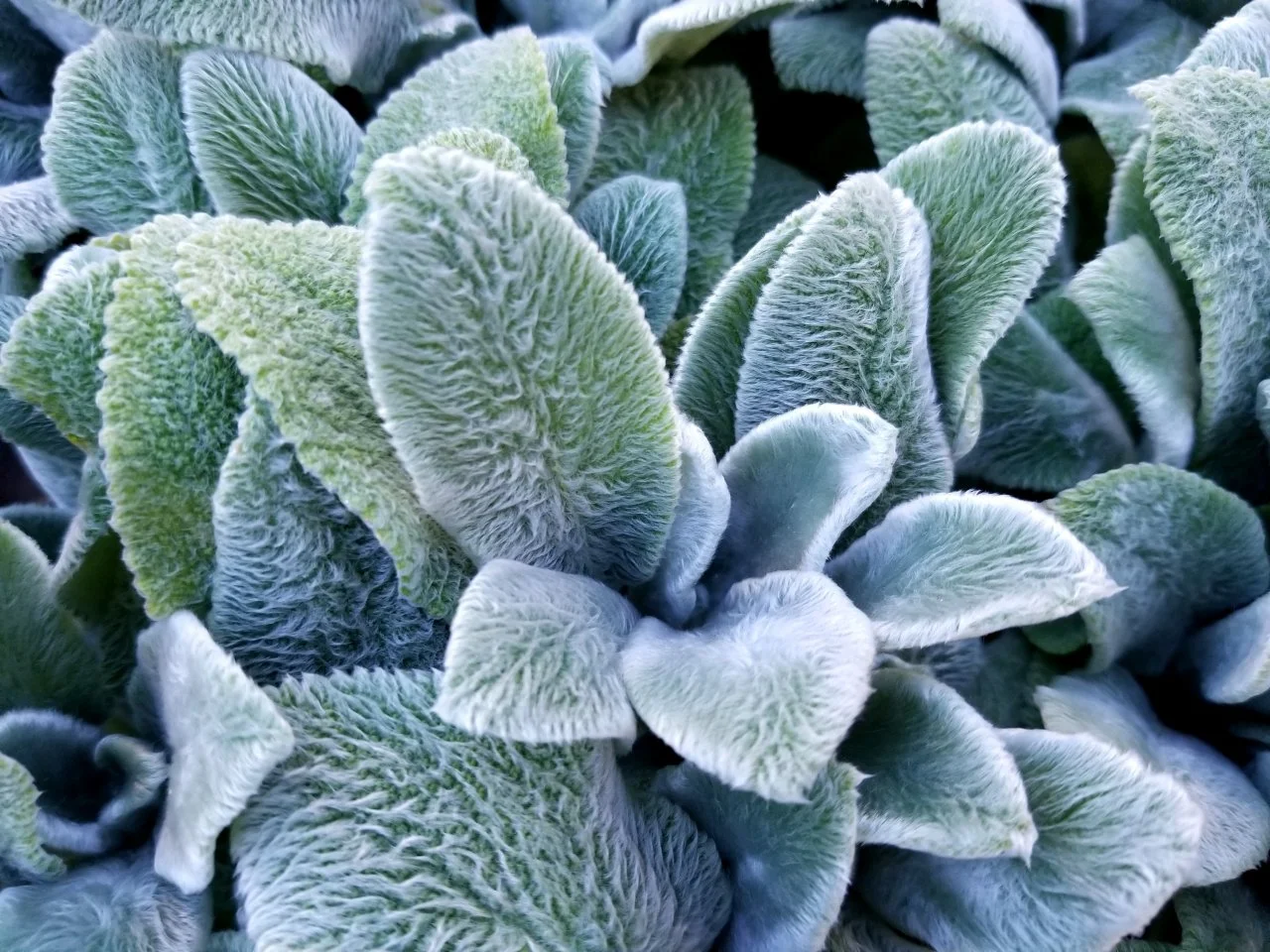
Planning a children's garden or one for the senses? Try Stachys byzantina, lamb's ears, aka woolly betony, so called because of its relationship with S. macrantha (big betony) and S. officinalis (wood betony.) No matter what the name, lamb's ears are plants people love to touch.

Shutterstock/Khairil Azhar Junos
All stachys are part of the mint family, with square stems, opposite leaves and a spreading habit. However, lamb's ears do not spread like culinary mint. Leaves are oval and pointed with soft felt like a lamb's. Lamb's ears are perennial in Zones 4-8 of the U.S.
How to Use Lamb's Ear
Like many silvery plants, they are extremely drought tolerant. Perfect for rock gardens or a dry spot of average soil in a garden bed, lamb's ears are easy plants to grow. The leaves quickly form a soft mat of rosettes. They were also once used as bandages and are reportedly helpful in relieving the pain of bee stings.

Photo by Dee Nash
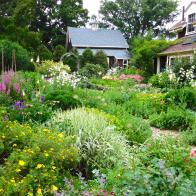
Stachys byzantina, lamb's ears, make a great border plant.
Evergreen in warm climates, leaves shrivel and die in colder winters. However, the plant doesn't die unless planted in a boggy area. Remove desiccated foliage as new leaves emerge in spring.
Lamb's ears make an attractive edging for beds and are wonderful planted where people can walk and touch their foliage. Silvery leaves look great with bright purple or pink flowers and also blend with light pink blooms. They hide the knobby and unattractive canes of roses and soften other shrubs.

24 Deer-Resistant Plants 31 Photos
Lamb's ear are among popular plants that hungry deer tend not to bother.
Of all the child-friendly plants in the garden, children seem most attracted to the soft woolly foliage of lamb's ears. Grow it as a short and attractive border for a garden devoted to children or to your own sense of touch. With easy care silvery foliage, this perennial is a must.
How to Grow Lamb's Ear
Growing lamb's ears is easy. Here are seven steps:
- Plant 4-inch pots 18 to 24 inches apart in partial shade to full sun. Keep watered while plants get established.
- Grow in well-drained soil enriched with compost, but no additional fertilizer. Lamb's ears do not like rich soil. Evenly moist to dry soil is fine.
- Don't water plants with overhead sprinklers, and do prune for overcrowding in summer to prevent rot. Where summers are humid, plants will rot out in the center.
- Divide in spring every three to four years if needed, or simply remove the dead centers in foliage to maintain clumps.
- Remove flowers before they set seed to help leaves recover, and stay soft and green.
- Remove rotted or dried foliage to prevent disease from spreading.
- Sow bugs are attracted to diseased foliage. Removing decayed leaves throughout the growing season will help discourage them.
Lamb's Ear Cultivars
The cultivar 'Big Ears', aka 'Helen von Stein', is noteworthy because of its larger leaves (4 inches across and up to 10 inches long!) and the lack of flowers. It grows 8 to 10 inches tall. It is more resistant to disease and performs well in hot southern gardens.

13 Low-Growing Perennial Groundcovers 14 Photos
Need help covering bald spots in your yard or keeping down weeds in your garden? These hardy, easy-to-maintain plants — including lamb's ear — may be the answer to your landscaping woes.
The Chicago Botanic Garden performed a comparative study of different cultivated stachys where they tested several cultivars including 'Big Ears,' 'Wave Hill,' 'Cotton Boll,' 'Primrose Heron' and 'Silver Carpet.' They noted that 'Cotton Boll' did indeed have flower clusters resembling cotton.
S. byzantina 'Silver Carpet' and 'Big Ears' are considered nonflowering forms which don't need deadheading. However, 'Big Ears' does sometimes form a few flower spikes in my garden. I remove these to encourage more leaves.
'Silver Carpet' is an excellent selection that does not produce flowers yet has attractive silvery foliage that makes a vigorous groundcover. It reaches only about 6 inches. It's native to the the Middle East and grows well in U.S. Zones 4 to 8.
Big betony (S. macrantha) is valued for its profuse flowers and blooms in late spring. This cultivear grows best in cooler climates and is not used quite as extensively throughout the country as S. byzantina. Big betony tolerates light shade and looks best planted en masse.
'Robusta' is known for its rose-pink flowers that make it a knock-out in the garden. It reaches 2 feet in height. It's native to the Middle East and is hardy in U.S. Zones 2 to 8.