





How to Grow Lettuce: A Comprehensive Guide
Lettuce is one of the easiest vegetables to grow. Learn what you need to know to raise your own crop of colorful, nutritious lettuce.


W. Atlee Burpee & Co.
Choose your favorite type of lettuce: iceberg, butterhead, loose-leaf or romaine. There are hundreds of hybrids you can toss into salads, cut into wedges or use as cups to hold chicken salad or shrimp. This variety, ‘Heatwave Blend,’ is a mix of green and red crispheads, green romaine and various loose-leaf lettuces.
Make room for lettuce in your garden plans. This tasty, good-for-you vegetable isn’t difficult to grow. Lettuce sprouts reliably from seed and delivers a great return on investment. One seed packet keeps the salads coming for months.
A lettuce plant forms a shallow root system, which allows it to grow well in containers. Best of all, lettuce plants don’t need a lot of elbow room in the garden, so you can easily squeeze a crop into existing planting areas.
Understanding Lettuce Varieties
There are many different lettuce types, which unfurl leaves with different shapes, sizes and colors. Lettuce falls into four distinct categories.
Butterhead—Butterhead or bibb lettuce forms small, round, loose heads with soft, ruffled leaves. The leaves are described as buttery, which hints at the smooth texture, not the flavor. Butterhead grows quickly, ready to harvest in six to eight weeks. This type of lettuce adapts to a wide temperature range, making it a good choice for many regions. Leaves are often used as wraps or cups for tuna salad, shrimp or stir fries.
Loose-Leaf—As the name suggests, loose-leaf lettuce creates a loose cluster of leaves, not a head. It’s one of the easiest lettuce types to grow, unfurling leaves in an array of hues, including speckled, burgundy, chartreuse and green. Harvest begins as fast as four weeks from sowing seed. This type of lettuce withstands poor soil and is typically more heat tolerant. By sowing seeds every 10 days, you can extend the harvest window through much of summer in many growing zones.

Burpee
This romaine lettuce blend includes the varieties green ‘Craquerelle Du Midi,’ green spotted red ‘Forellenschluss (also known as ‘Speckled Trout Back’),’ bright green ‘Little Gem,’ deep red ‘Rosalita’ and medium red ‘Rouge d’Hiver.’
Romaine—Also known as Cos lettuce, romaine forms elongated, upright, tall heads with a tight heart. Crinkled leaves have thick, succulent ribs. Romaine is the best lettuce for cooking and also the most nutritious. It’s traditionally used in Caesar salads.
Crisphead—This is the lettuce savored in tacos, cheesesteaks and wedge salads. It’s also known as iceberg lettuce and forms tight, round heads. Crisphead needs a long cool season to produce heads. It doesn’t grow well with weather extremes, such as drought, wind or rainy spells. In warmest zones, choose varieties adapted to heat.
Preparing Your Garden Bed
Lettuce thrives in fertile, well-drained soil that’s enriched with organic matter, such as compost or composted leaves or manure. Lettuce quality improves with adequate moisture, and soil with organic matter holds water like a sponge, making it available to plant roots.
If you’re growing lettuce in pots, choose a bagged soil mix labeled for containers. Lettuce containers don’t need to be deep—4 to 6 inches is fine. Traditional bowl-type planters or squat bulb pots provide enough room for lettuce roots.
Aim for soil pH between 6.0 and 7.0. Test soil with a kit available from local garden centers or online, or prepare a soil sample for testing through your local Cooperative Extension office. Add fertilizer or lime according to test recommendations.
Consider adding slow release fertilizer to planting areas to nourish plants.

Shutterstock/alwayswin
You don't need a spacious garden to grow fresh salad greens. With the right container, soil and fertilizer, you can grow lettuce in a small container in about a month.
Where to Grow Lettuce
Lettuce grows well in containers, raised beds or in-ground planting beds that receive six to eight hours of full sun. Should you grow lettuce in raised beds, containers or in-ground planting beds? Factor these tips into your decision making.
- Without a fence, in-ground plantings are more susceptible to becoming a midnight snack for deer or rabbits.
- Raised beds can also end up being a critter buffet, but often prove easier and less expensive to fence.
- Pots of lettuce are typically close to the house, which comes in handy for watering during early spring and late fall, when hoses may be disconnected in colder zones. Patio pots offer convenient harvesting, and containers, if not large, are easier to move to a covered porch or garage if frost threatens.
Try growing lettuce in several locations to see which one yields the best results. Maybe raise full-size lettuce in your in-ground planting areas, and baby greens in pots.
How to Plant Lettuce
Lettuce is a cool weather crop, growing best at temperatures of 60°F to 65°F. It’s often one of the first plants to go into a garden in spring and one of the last ones to come out in late fall.
Lettuce seed germinates when soil temperature is between 40°F and 75°F. Some lettuce varieties germinate best when they receive light. When sowing lettuce, cover seeds lightly with a thin, 1/8-inch layer of soil.
Follow spacing recommendations on the seed packet. If you’re growing individual heads of lettuce (including loose-leaf types), you might space seeds 2 inches apart and later thin plants anywhere from 6 to 18 inches apart. For growing baby greens, 2 inches between seeds should work.
The most important part of seed germination is soil moisture. Water after planting and as often as necessary to keep soil moist until you see green sprouts. Young seedlings are tender and susceptible to drying out. Water when the top inch of soil dries.

Julie Martens Forney
Although different varieties respond to cold differently, most established loose-leaf and butterhead lettuce plants can withstand temperatures as low as 20°F with row covers or cold frames. Frosted lettuce leaves wilt, but they bounce back once warmer air melts the ice crystals.
When to Plant Spring Lettuce
For the earliest spring lettuce, it’s best to set out transplants or seedlings about a month before your region’s last spring frost date. These young plants should be able to withstand the ups and downs of early spring weather, including light frosts. Once night temperatures are reliably above 40°F, switch to planting lettuce seed directly outside.
To harvest lettuce until summer heat starts to sizzle, plant some seed roughly every two weeks. This will result in staggered harvests so you’re not overwhelmed with lettuce.

Julie Martens Forney
Many lettuce varieties start to bolt or form flowers as summer days lengthen. More than 14 hours of sunlight daily is one trigger for bolting, as are day temperatures over 75° F with nights above 60° F. When lettuce plants shift from producing leaves to making flowers, leaves become tougher and taste bitter. Lettuce’s tiny flowers are favorites among beneficial insects like syrphid or flower flies.
When Lettuce Flowers
Once the summer solstice arrives and days start to lengthen, most lettuce shifts into flowering mode. This process is known as bolting—it’s the flowering phase of growth. A lettuce plant sends up a tall flowering stalk. When this stalk starts to form, the leaves become very bitter. Other factors, such as high temperatures and lack of water, also play a role in bolting.
Allow heirloom lettuce varieties to flower and form to seed, which you can save to plant. Pull hybrid varieties and compost them. Plant green beans in their place for a quick summer crop.
Some lettuce varieties are marketed as “slow to bolt” or “non-bolting.” The best way to figure out which varieties grow best in your garden is try them and record the results. In general loose-leaf lettuce types are most resistant to bolting, followed in order by romaine, butterhead and crisphead.

Photo by Felder Rushing
Cover a large winter container garden of lettuces, mustard greens and chard when temperatures drop below the mid-20s. Always vent it when the sun shines to prevent death by steaming.
When to Plant Fall Lettuce
For fall lettuce, sow seed about 60 days before your region’s first fall frost. When growing lettuce in the fall, plants take longer to grow than in spring due to shorter days and lower temperatures. When a lettuce seed packet says you’ll be harvesting in 45 days, it refers to spring planting. As you plan your lettuce seed fall planting, expect to add 10 to 15 days to that harvest date.
The ultimate goal for deciding when to plant fall lettuce is timing it so plants are well-established when that first fall frost arrives. Some lettuce varieties can withstand temperatures as low as 20°F with row covers or cold frames—but only if plants are established. Use row covers to protect plants when temperatures fall below freezing.
When growing lettuce in the fall, the best types to grow include butterhead, leaf lettuce or romaine that you’ll harvest at a younger stage (not a full head). Some varieties to consider include ‘Four Seasons’ lettuce, ‘Arctic King’ and ‘North Pole.’ To overwinter lettuce in regions with cold winters, plant ‘Winter Marvel’ or ‘Brune d’Hiver.’ In mild winter areas, sow seeds of ‘Four Seasons’ or any oakleaf type.
Lettuce seed may fail to germinate when temperatures are over 80°F. One work-around that many gardeners use is germinating seeds in the refrigerator for four to six days or simply sowing seeds indoors.
Caring for Your Lettuce Plants
- Water. Lettuce needs adequate water to produce tender leaves. Drip irrigation or soaker hoses are ideal, since they deliver water directly to soil. If you overhead water, try to do so earlier in the day so leaves will dry before nightfall. Brown tips on lettuce leaves hint that plants need more water.
- Mulch. A shallow root system plus a need for sufficient water mean that lettuce benefits from mulch over soil. It slows soil from drying out and also helps to reduce weeds. Add a 2- to 3-inch-thick layer of organic mulch, such as straw, grass clippings or other readily available material. Keep mulch away from the base of plants.
- Fertilizer. Mix slow-release fertilizer into soil prior to planting. Water-soluble fertilizer gives plants a boost, especially if you’re using a cut-and-come again harvest method.
- Pests. Slugs can decimate a lettuce planting overnight. Learn how to defeat slugs. Aphids may attack plants, especially if they’re planted too closely together. Wash them off with a splash of water from the hose.
Harvesting and Storing Lettuce

Julie Martens Forney
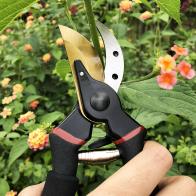
When harvesting lettuce, if you cut leaf clusters or heads of loose-leaf or romaine lettuce and leave a stem stub to remain in soil, it will resprout. The new growth will be smaller than the first picking, but it extends the harvest season.
As lettuce matures, harvest an entire plant by cutting stems near soil, leaving a 1- to 1.5-inch stub. This stub can resprout and yield additional leaves. Harvesting this way is known as the cut and come again method.
Cut-and-come-again harvesting is also often used with baby lettuces. Simply shear leaves 1 to 2 inches above soil, fertilize lightly, and lettuce will regrow. You can usually repeat this process two to three times with baby lettuces.
Lettuce picked in the morning has a glucose content as much as 2.5 times higher than that picked later in the day. For sweetest lettuce, especially in summer, harvest early in the morning—by 7:00 to 8:00 a.m.
With fall crops, harvest typically ends when night temperatures fall to 20°F. When the forecast shows that cold will linger, pick all of your lettuce. If you’re growing lettuce in containers, once soil freezes, lettuce roots cannot absorb water. Plants will wilt even though soil feels moist. Press on soil to see if it’s frozen. If so, it’s best to harvest those plants, especially if temperatures aren’t going to rise enough to thaw soil.
Best Storage Practices for Lettuce
Wash and spin dry baby lettuces before storing in a paper towel-lined plastic container, which should keep lettuce fresh for 7 to 14 days. With loose-leaf lettuces or butterhead types, wash leaves and place them on a towel on the counter, gently blotting with a second towel. Gently roll up the towels to blot more moisture before storing as above.
For freshly picked lettuce with a stem base, fold a barely damp paper towel to cradle the stub and provide moisture. Gently wrap the entire lettuce head in dry paper towels, and slide into a vegetable storage bag, pressing out air and twisting the top. Store the bag in the crisper section of your refrigerator to keep lettuce fresh for a week or more.


