

How to Grow Forsythia Bush
Welcome spring with the sunny blooms of forsythia.

BaileyNurseries.com
First Editions Spring Fling forsythia.

For spring drama, it’s tough to beat the blossom-bedecked boughs of forsythia. This early spring shrub signals the end of winter with a vibrant jolt of color. What makes a forsythia bush such a stand-out is the fact that flowers blanket branches long before other spring bloomers appear, letting forsythia plants steal the spotlight as winter exits.
Forsythia is care-free — almost bullet-proof — and provides guaranteed color for both novice and experienced gardeners. The shrub blooms best when planted in full sun. Size varies depending on the species and variety, with plants growing from 2 to 10 feet tall and 2 to 12 feet across. Branches typically grow upright or with a graceful arch that forms a mound in the landscape. Forsythia is hardy from Zones 3 to 8, depending on the variety.
If your spring landscape needs a cheerful wake-up call, make forsythia your go-to shrub. Learn what you need to know to grow forsythia plants successfully.
Forsythia Facts
Botanical Name: Forsythia spp.
Hardiness Zones: 3 to 8, depending on variety.
Size: 2 to 10 feet tall and 2 to 12 feet across
Bloom Time: Early spring
- Forsythia flowers unfurl in early spring.
- Usually the flower show lingers for about two weeks. If you plant a mix of different forsythia varieties, in some regions you can extend the blossom period even longer.
- The right time for pruning forsythia is shortly after flowering.
- To use forsythia in the landscape, plant a single forsythia bush as a focal point in a lawn area or try growing a forsythia hedge as a seasonal privacy screen. Or you can prune a single plant to create a forsythia tree. Dwarf forsythia makes a pretty edging for a planting bed or walkway.
Forsythia: Where to Plant
When planting forsythia, choose a sunny spot where plants will receive at least four to six hours of sun each day. Forsythia bushes will grow in light shade but stems will have fewer flowers.
Well-draining soil is one secret for healthy forsythia plants. If you have clay soil, add organic matter such as compost or composted manure to help that dense soil drain better. Forsythia doesn’t grow well in soggy soil.
Forsythia: When to Plant
Forsythia plants are available for sale at nurseries or garden centers year-round. The best time to plant is just before your region’s rainy season. That means autumn or spring planting is ideal for most of the country. If you want to be sure that you get a specific forsythia variety, try to purchase your plant when it’s in flower.
Watering Forsythia
Once a forsythia bush is established in the landscape, it usually survives on regular rainfall. During excessively hot, dry episodes, though, it’s a good idea to water a forsythia bush occasionally. For new forsythia plants, water regularly during the first growing season (once a week unless there’s an inch of rainfall) until plants have firmly established.
Forsythia Care: Feeding
Prior to planting, if you added organic matter to your soil and then mulched soil after planting, your forsythia bush won’t usually need extra fertilizer. If you want to feed your forsythia plant, use a slow-release fertilizer for trees and shrubs applied at the start of the growing season. Follow instructions on the package.
Once each year, mulch beneath the forsythia plant to maintain soil moisture and help suppress weeds. Use an organic mulch, such as triple shredded bark, pine needles, fir bark fines or whatever is locally available in your region. Apply a 2-inch-thick layer.
When to Prune Forsythia
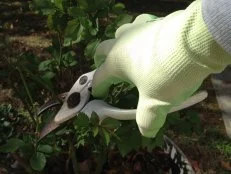
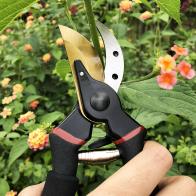
Forsythia bushes grow quickly, so you really need to practice regular pruning to keep plants looking their best. The right time to prune is immediately after flowering. Forsythia blooms on old wood, which means next year’s flower buds form shortly after this year’s leaves appear. By pruning as soon as possible after flowering, you skip the risk of cutting off next year’s flower buds. Using sharp, clean pruners or loppers, remove any dead branches and shape as needed.
On larger forsythia plants that grow with upright to arching stems, thin branches every two to three years. Do this task in late winter — before flowers appear. Remove 1/4 to 1/3 of the oldest stems, cutting as close to the ground as you can. This improves air circulation in the center of the bush, which helps keep diseases at bay. Use this technique every year, and you’ll have a healthy forsythia plant that flowers well.
For old, overgrown plants that aren’t flowering strongly, practice rejuvenation pruning. Cut the entire plant off, lopping stems back to three or four inches above the ground. The best time to do this is in late fall or late winter. This means you’ll miss a year of flowers, but future forsythia flower displays will be strong and stunning.
Forcing Forsythia Stems Indoors
You can cut forsythia stems in late winter or early spring (prior to blooming) and bring them indoors to “force” into flower. This technique is a great way to alleviate winter cabin fever with a splash of spring color.
Cut stems 12 to 18 inches long. Make cuts at a 45-degree angle to help stems absorb water. Fill a vase with lukewarm water and remove any buds or side stems that fall below the water level in your vase. Place near a sunny window and change the water every few days. Flower buds will open within a couple of weeks.
Buy Growing Supplies


Forsythia Plant Varieties
Beyond the spring flower show, forsythia usually doesn’t bring any other seasonal splendor to the garden party. Plant breeders have been creating new varieties featuring bigger and more flowers, smaller plant size and different leaf attributes, including variegated or good fall color. Here is just a small sampling of available varieties. All are hardy in Zones 5-8 unless noted.
- ‘Lynwood Gold’ (Forsythia x intermedia) — Also sold as ‘Lynwood Variety.’ Heirloom variety introduced in 1935. Grows 6 to 9 feet tall and wide.
- Show Off (Forsythia x intermedia ‘Mindor’) — Upright stems with flowers along the entire length of stems. Needs less pruning. Grows 5 to 6 feet tall and wide.
- Spring Fling forsythia (Forsythia ‘UMNFOR01’) — Upright stems that grow 5 to 6 feet tall and wide. Good choice for a hedge.
- Show Off Sugar Baby (Forsythia ‘Nimbus’) — Shorter variety ideal for mixed planting beds, walkway edging or containers. Grows 18 to 30 inches tall and wide.
- Gold Tide (Forsythia x intermedia) — Also sold as ‘Courtasol’ or ‘Maree D’Or.’ Ground cover that grows 1.5 to 2 feet tall. Flower buds not winter hardy unless covered by snow.
- ‘Meadowlark’ (Forsythia ‘Meadowlark’) — Flower buds hardy to -35 degrees (Zone 3). Grows 13-15 feet tall and wide.
- 'New Hampshire Gold’ (Forsythia x intermedia) — Flower buds hardy to -33 degrees (Zone 3). Grows 5 feet tall and wide.
- ‘Kumson’ Korean Greenstem (Forsythia koreana) — Green and silver variegated leaves with burgundy stems for winter interest. Grows 4 to 6 feet tall and wide. Zones 4-8.
- ‘Fiesta’ (Forsythia x intermedia) — Showy cream and green variegated leaves. Red stems add winter interest. Grows 3 to 5 feet tall and wide.
Forsythia FAQs
Is forsythia a pest magnet?
A forsythia bush is a trouble-free plant not bothered by pests like aphids or Japanese beetles. Deer and rabbits also usually leave the plant alone, although sometimes rabbits may go after young plants, especially in winter.
Is forsythia a good shrub for a pollinator garden?
In Zones 6 and colder, forsythia flowers typically appear before most bees and butterflies are active. In warmer regions, you may see some insects around the flowers, so in these areas forsythia plants could be an important part of a pollinator garden, providing an early food source.
Why is my forsythia not blooming?
Too much shade, too late pruning (in summer or fall), too much nitrogen fertilizer and too old of a plant can all lead to fewer (or no) flowers. In cold regions, flower buds can be killed by winter temperatures or a late spring frost. Most forsythia flower buds are hardy only to -5°F. Choose a winter hardy variety to ensure you get a good flower show in coldest zones.
Why is my forsythia flowering in fall?
During spring and summer, flower buds form on last year’s growth. If fall has a hot spell, the warm air can coax flower buds to open prematurely. If a forsythia plant blooms in fall, those same stems won’t flower again in spring.
Is forsythia invasive?
Forsythia is a non-native plant. At this point, it’s not listed as invasive on the USDA list, although several states discourage planting it. The arching stems — especially of older, larger forsythia varieties — root when they touch the ground. Without regular pruning, this growth habit can create a dense forsythia thicket, making it difficult to remove forsythia plants.