Photo: Her Tool Belt
1 / 35
Grow Herbs Almost Anywhere in Almost Anything
Spice up your menus with the zingy flavors of fresh herbs. You don’t need an elaborate herb garden design to work flavorful sprigs and leaves into your family’s mealtimes. Many herbs thrive — and yield stems for snipping — in containers. But if you yearn for a formal herb garden design, you won’t be disappointed. You’ll have beauty and harvest to share.
Pictured above, this slim-profile portable herb garden is ideal for small outdoor spaces. Amy Baesler of Her Tool Belt painted three lengths of gutter in robin’s nest blue then suspended them from a DIY stand.
More photos after this Ad
Photo: Hortus, Ltd./P. Allen Smith
2 / 35
Stack Your Herbs in Clay Containers
Mediterranean herbs such as thyme, sage, oregano and rosemary grow well in terra-cotta clay containers because the material dries out quickly and provides great drainage. Group plants together that have the same growing needs — sunlight, soil and moisture. Herbs like oregano, rosemary, lavender, cilantro, fennel, and dill thrive in full sun. Mints, chives, parsley and sage can handle dappled shade.
Learn More
More photos after this Ad
Photo: Aloe Designs
3 / 35
Mix Veggies + Herbs in the Garden
This lively raised custom cedar wood veggie bed is teaming with radish, beans, carrots, parsley, kale, cabbage, Swiss chard and asparagus, while a chorus of potted herbs flourishes in the background.
Find More Ideas
More photos after this Ad
Photo: Shutterstock/Stockcreations
4 / 35
Upcycle an Herb Garden
The easiest way to create an herb garden design is to slip individual pots of herbs into one larger container, like this vintage wine crate that says “wine brings joy.” Add a few favorite herbs, including (clockwise from bottom corner) basil, thyme, rosemary, sweet woodruff and bay, and you’ll find that herbs bring joy, too. Growing herbs in individual pots lets you change your herb garden design at will, depending on which flavors are headlining in your kitchen creations.
Find More Ideas
More photos after this Ad
Plant Herbs on a Wall
Herbs are some of the easiest things to grow and they don’t require a lot of space. Even if you don’t have a yard, you can plant an herb garden in a container, on a windowsill or even on a wall. As you consider how much space you have to devote to herbs, think realistically about how you’ll use them. If you’re just looking for a few basil leaves to toss onto pizza or fresh lemon balm to flavor lemonade, explore modest herb garden design ideas, including growing herbs in containers or indoors on your windowsill.
Find More Ideas
More photos after this Ad
Photo: Bubba Carr. Courtesy of Danna Cain, ASLA at Home & Garden Design, Inc.
6 / 35
Tuck Herbs in With Perennials
Herbs can add a lot of texture and fragrance to any garden. Thyme, chives, sage, and basil play nicely in this lush garden along with perennials such as agapanthus, phlox, Mexican petunia and daylilies.
Learn More
More photos after this Ad
Photo: Williams-Sonoma.com
7 / 35
Plant a Sink-ful of Herbs
A sink on a stand lifts a garden to an ergonomically pleasing height — no bending required. This sink measures roughly 40 inches long by 18 inches wide. To create this herb garden, plant one each, left to right, tatsoi, upright rosemary, trailing thyme, silver plectranthus, trailing rosemary, sweet green basil, Italian flat-leaf parsley, trailing rosemary and germander.
Find More Ideas
More photos after this Ad
Photo: Raimunda-losantos
8 / 35
Use Your Herb Harvest for Gifts, Beverages or Marinades
If you intend to mix homemade herb blends for wedding favors or holiday gifts or long to create your own herb wreath, you’re going to need an herb garden design that accommodates multiple plants. The same is true if you frequently use herbs for bouquet garnish or as the base flavor for beverages, or add fresh herbs to marinades and hot grill coals.
More photos after this Ad
Photo: Shain Rievley
9 / 35
Plant a Speciality Garden
As you consider which plants to work into your herb garden design, one way to narrow the field is to think about your cooking. If you’re whipping up plenty of pizza and pasta, plant a pizza garden that includes oregano, basil, chives, thyme and sage. For kids who love tacos, raise cilantro, oregano, parsley and marjoram. To serve refreshing herbal tea blends, plant chamomile, lemon balm, pineapple sage and mint. If cocktails are more your thing, try a mixology herb kit with fresh strawberries and mint.
Learn More
More photos after this Ad
Photo: National Garden Bureau at ngb.org
10 / 35
Plant a Pot of Picnic Herbs
Fill a container with herbs that pull double duty at picnics — seasoning dishes while serving as the perfect picnic table centerpiece. The components of this planter include ‘Kasar’ basil, gold-edged sage, ‘Gorizia’ rosemary (with leaves twice the size of other varieties) and orange thyme. This herb blend provides the perfect accompaniment to grilled Italian sausages, fresh homegrown tomato slices and a rosemary-garnished gin and tonic.
Learn More
More photos after this Ad
Photo: Shutterstock/Anne Kramer
11 / 35
Make a Raised Bed of Herbs
Fill a raised bed with herbs to craft a living work of art that looks as good as it tastes. This raised bed garden features a blend of culinary favorites: thymes (flowering), oregano (front, center), spiky chives, silvery sage, curly parsley and rosemary. By snipping and drying leaves and stems from this garden throughout the growing season, you can easily stash enough herbs to season a winter’s worth of savory dishes. Choose which herbs to plant based on the flavor profiles your family likes best.
Find More Ideas
More photos after this Ad
Photo: Danna Cain, ASLA at Home & Garden Design, Inc
12 / 35
Plant by the Picket Fence
An entrance gate garden makes for a convenient spot to plant and pick pretty perennials and basic herbs. This lovely garden boasts a mix of rosemary and chives with daylilies, coreopsis, petunias, parsley and thyme.
Find More Ideas
More photos after this Ad
Photo: Ball Horticultural Company
13 / 35
Make Room for Lavender
Fill your patio with the lush scent of lavender fields by tucking these fragrant favorites into containers. Dress up plain pots of lavender by plunking them into a crate or embossed tin cache pots. Grow a window box of lavender, and you’ll have enough flowers to harvest for making potpourri, soap or lavender wands. These English lavender varieties are Blue Spear and Avignon Early Blue, which flowers earlier than other English lavenders.
More photos after this Ad
Photo: Aloe Designs
14 / 35
Create Symmetry
For an eye-catching look, rows of matching ceramic pots are neatly arranged and filled with curry, sage, oregano, thyme, tarragon and basil.
Find More Ideas
More photos after this Ad
Photo: Shutterstock/Pixfix
15 / 35
Try a Pocket Planter
A strawberry jar offers a traditional way to grow a portable herb garden that provides plenty of leaves for spicing up your menus. Choose a terra-cotta planter to give Mediterranean herbs like sage, oregano and thyme the sharp drainage they crave. This pot also hosts chives and cilantro. Prior to planting a strawberry jar, insert a length of narrow PVC pipe that’s capped on one end and drilled with holes along the length. When watering, fill the pipe with water and it will percolate into the soil in each pocket.
Find More Ideas
More photos after this Ad
Photo: Aloe Designs
16 / 35
Group Accordingly
This in-ground bed of herbs and medicinal plantings meshes lavender, thyme, oregano and santolina. When creating your herb garden, be sure to place like-minded plants together — all these fragrant beauties love the warm sun and are somewhat drought-tolerant.
Find More Ideas
More photos after this Ad
Photo: Mary Kocol for Tower Hill Botanic Garden at TowerHillBG.org
17 / 35
Add Asian Flavors to the Garden
Interplant herbs in your garden beds to keep fresh flavors close at hand and easy to harvest. This bountiful and beautiful herb pairing features lemongrass and Thai basil, two key ingredients in many Southeast Asian dishes, including curries, stir-fries and soups. Both of these herbs are annuals in all but the warmest regions, so plan to dry or freeze them for winter use.
Learn More
More photos after this Ad
Photo: Anne Gibson
18 / 35
Mix and Match Containers
Both culinary and medicinal herbs look fabulous in upcycled containers, baskets and containers such as these adorable kid's boots. These attractive planters also make great edible gifts. Group herbs with similar water and sun needs together. For example, drought-tolerant Mediterranean herbs like rosemary, sage, thyme, oregano, chives, green onions and marjoram are perfect bed partners.
Find More Ideas
More photos after this Ad
Photo: Gardeners.com
19 / 35
Make It Easy With a Stand Up Herb Garden
Forget bending over to tend your herbs — try a stand-up garden bed instead. This cedar planting table measures roughly 4 feet long by 2 feet wide. Along the front short side, plant two thymes in each of the corners, sandwiching two sage plants. Put in a row of Italian flat-leaf parsley on the opposite end, and fill the rest of the space with sweet basil sown from seed. Leave room for one upright rosemary in about the middle center back of the planter.
Find More Ideas
More photos after this Ad
Photo: National Garden Bureau at ngb.org
20 / 35
Fire Up the Grill
Need a secret ingredient for your next barbecue? Try adding fresh herbs to your rub, marinade or coals. This breeder-selected plant mix features herbs hand-picked for flavors that kick grilling skills up a notch. Plants include (clockwise from left) golden garden sage, ‘Barbecue’ rosemary, French tarragon, Italian oregano and English thyme. All of these herbs add fresh zest to summer salads and sides or can be easily air-dried to preserve for future use.
Learn More
More photos after this Ad
Employ Hanging Baskets
Turn a hanging basket into a tasty herb garden. Line the basket with heavy plastic, poking a few drainage holes in the bottom. Fill with soil, then add one pot each of chives, golden oregano, silver curry, basil and thyme. You’ll need a basket that’s at least 12 inches wide to accommodate all these herbs. Or do an entire pot of peppermint as seen here.
Learn More
More photos after this Ad
Photo: Shutterstock/Peter Turner Photography
22 / 35
Try Metal for Warmth
Transform a metal container into a masterpiece by adding a few herbs. Make sure any container you use for herbs has holes for drainage, because many herbs, especially Mediterranean ones like rosemary and thyme, grow best in soil that drains well and isn’t soggy. In a metal container, soil warms easily from the sun, resulting in a bumper crop of flavorful leaves for cooking and preserving.
Find More Ideas
More photos after this Ad
Photo: Jalynn Baker
23 / 35
Hang Your Herbs Upside
Transform old metal coffee cans with a plastic lids into your own hanging herb garden. This quick DIY project keeps herbs handy for cooking without taking up any counter space. As long as you have a bright window, you can grow your family’s favorite herbs year-round indoors. It’s an easy, inexpensive way to perk up your meals with the flavors of fresh herbs.
Get the How-To
More photos after this Ad
Photo: Shutterstock/Bildagentur Zoonar GmbH
24 / 35
Build an Herb Spiral
Make the most of your garden space by adding an herb spiral to your yard. This herb garden design can be any size but is often 6 feet tall and 3 feet wide. Build it using whatever material suits your location, including stacked stones, bricks or mortared stones. An herb spiral provides different growing conditions — sharp drainage at the top for Mediterranean herbs (thyme, rosemary, oregano, lavender) and moister soil in the middle, ideal for basil, coriander or tarragon. The lowest part of the herb spiral is the moistest, which makes it a great place to plant mint, parsley or chives.
Find More Ideas
More photos after this Ad
Photo: Shutterstock/Joanna Tkaczuk
25 / 35
Go With Classic Raised Beds
A simple wooden raised bed provides an easy alternative for creating a new herb garden. Fill it with herbs that unfurl eye-catching flowers to add color to your garden design. Good candidates include chives, lavender, chamomile, catmint, dill and spearmint. Many herb blossoms beckon pollinators, including beneficial insects that prey on bad bugs.
Learn More
More photos after this Ad
Photo: Jalynn Baker
26 / 35
Frame Your Herbs
Growing herbs in the kitchen keeps them handy for snipping and adding to dishes at the right moment for the most flavor. Create a simple DIY vertical herb garden using a picture frame and shadow box. This small garden boasts plenty of room for a variety of zesty herbs, including rosemary, sage, thyme, oregano and lavender. Another way to grow a fresh crop of kitchen herbs is in mason jars, which suit any kitchen decor. With any kitchen herb garden, remember that these tasty plants need bright sunlight to thrive and develop their best flavors.
Find More Ideas
More photos after this Ad
Photo: Shutterstock/Gardens by Design
27 / 35
Go Vertical
If space is tight, shift your herb garden to the walls with a vertical garden. This pocket planter turns unused wall or fence space into a growing area that’s perfect for tending a crop of your favorite herbal flavors. Herbs in this planter include cilantro, parsley, thyme, basil and rosemary.
Find More Ideas
More photos after this Ad
Photo: National Garden Bureau at ngb.org
28 / 35
Sip on Your Herbs
Fill a container with herbs just begging to be minced, muddled or blended into drinks that celebrate summertime flavors. Designed by plant breeders, this combination features all the herbs you could need for upgrading your favorite seasonal sippers. Herbs include (clockwise from bottom center) lemon thyme, Mojito mint, Scarlet pineapple sage, ‘Kasar’ basil and sweet leaf stevia.
Find More Ideas
More photos after this Ad
Photo: Julie Martens Forney
29 / 35
Use Herbs as Groundcovers
Creeping thyme turns any flagstone patio (or path) into a living work of art when it’s left to spread and fill in the cracks between stones. Every step releases a delightful fragrance. Other good herbs for planting underfoot include Corsican mint, red creeping thyme, Elfin thyme or woolly thyme.
Learn More
More photos after this Ad
Photo: Shutterstock/Valentina Razumova
30 / 35
Fill a Corner With Herbs
You don’t need to dig up a huge swath of lawn to make room for herbs. These tasty plants can thrive in a small planting area like this corner of lawn bordered with brick walls. This is actually an ideal location because nearby brick surfaces retain heat, which many herbs crave. Rocks scattered around plants also help absorb the sun’s heat and reflect it back to the plants. Herbs in this garden include thyme, oregano, rosemary, lavender, sage and mint.
Learn More
More photos after this Ad
Photo: Shutterstock/Gardens by Design
31 / 35
Plant in Eye-Catching Rows
Herbs weave a striking textural tapestry in the garden with their different leaf colors and forms. The beauty of these flavorful plants really shines when you arrange herbs in formal rows, like this planting of (front to back) purple sage, thyme, basil and lavender cotton. Pea gravel is the ideal mulch and path material, providing sharp drainage and absorbing sunlight heat to radiate it back to plants.
More photos after this Ad
Photo: Julie Martens Forney
32 / 35
Place Herbs Underneath the Windows
When selecting pots for your herb garden, don’t overlook antique containers. This vintage water trough for animals makes a perfect herb garden, offering substantial depth for plants to sink their roots. Placed beneath a window, it forms the perfect window box planter. Herbs include tricolor sage, pineapple sage and curry plant (Helichrysum italicum), which is not particularly edible (not used in curries), although the leaves do release that scent. This curry is known more in herbal circles for its medicinal properties (used in tinctures and infusions) and stunning silver leaves. Summer snapdragon (Angelonia) sets off the garden with purple flower spikes.
Find More Ideas
More photos after this Ad
Photo: Danna Cain, ASLA at Home & Garden Design, Inc
33 / 35
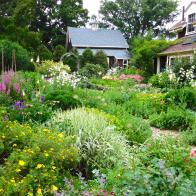
Landscape With Herbs
This quiet garden spot includes garlic chives and Spirea Shirobano along with lavender, Thai basil and perennial solidago, which attracts beneficial insects and pollinators. When creating your herb garden design, start with the soil. Most herbs prefer well-drained soil, and if you can’t deliver this by amending existing soil, plan to use a raised bed garden design. Herbs love raised beds, and you can customize the soil you add to suit the herbs you want to grow. Do your homework on this one, because different herbs need different soil types.
Learn More
More photos after this Ad
Photo: Shutterstock/Olga Miltsova
34 / 35
Grow Herbs Indoors
Keep fresh basil and thyme always at hand by growing them on a bright windowsill. Fresh herbs can thrive year-round indoors as long as you provide direct sunlight and protect them from cold drafts in northern regions. Other herbs that thrive by a sunny window include chives and oregano. When designing a windowsill herb garden, help prevent overwatering by tucking plants into plain pots that you slip into pretty cachepots. Always empty the cachepot each time you water your herbs.
More photos after this Ad
Photo: Julie Martens Forney
35 / 35
Build a Thyme Table
Herbs are versatile and adaptable. Many types thrive in cracks, crevices and shallow planting pockets like those found in DIY patio furniture crafted from upcycled cinderblocks. This clever sustainable table offers plenty of planting spots for Mediterranean herbs, which love the alkaline conditions these blocks create. Thyme tumbles out the side of the table and also creates a living centerpiece — along with oregano and mint — in a planting box dropped into the tabletop. Loose boards and slate pieces form the tabletop.
Find More Ideas