Next Up

20 Perennial Herbs that Are Easy-to-Grow

Wondering what herbs are perennial? Discover our low-maintenace and long-lasting favorites that yield a harvest of flavor and beauty year after year.

Photo: Anne Kramer
Scroll For More Photos
1 / 20

Why Grow Perennial Herbs

There are many reasons to plant perennial herbs in your yard. Here are just a few.

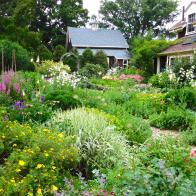
They can make a wonderful addition to your landscape and garden beds. Think beyond the perennial vegetable garden and plant herbs all around your yard. If herbs like rosemary, thyme and oregano are evergreen in your area, use them to add color and texture to your landscape bed. Mix taller, upright herbs like chives, bee balm and fennel with conifers, flowering annuals and perennials. Many varieties of thyme, oregano and sage are low growers, so use them as groundcovers and garden borders. Other varieties of those same herbs trail down so they can make pretty additions to hanging baskets and window boxes.

Growing perennial herbs is cost-effective in the long run because they come back year after year. Lavender, bay laurel and rosemary plants can last decades and can be divided and planted in other parts of your yard, or your friend’s yard.

Perennials are low maintenance and less work than most annuals. Once established, perennial herbs take only minimal effort regular watering and occasional fertilizing. Herbs that are native to the Mediterranean lavender, oregano, sage, chives, tarragon and rosemary, to name a few — are tough and drought-tolerant as long as you give them plenty of sunshine.

Many perennial herbs attract pollinators and can deter insects. Chives, fennel, lavender and anise hyssop will bring bees, hummingbirds and butterflies to your yard while herbs like mint, sage, thyme, lemon balm and lemongrass can repel pests such as mosquitoes, aphids, flies and fleas.

Learn More

More photos after this Ad

Photo: Shutterstock / freya-photographer
2 / 20

Lavender (Lavandula)

Lavender is one of those herbs that can scent an entire garden. The gray-green leaves waft an irresistible fragrance when warmed by the sun, and blooms are aromatic when they open. Flowers appear on long stems atop the mounded plants, remaining attractive for a month or more. Blooms bring a lemon-citrus flavor to beverages, desserts and fruit dishes; leaves can stand in for rosemary in recipes.

Learn More

More photos after this Ad

Photo: Shutterstock/Max 555
3 / 20

Sorrel (Rumex acetosa)

Sorrel is a sun-loving herb with broad, lance-shaped, bright green leaves. It grows as a perennial in Zones 5 or higher. It has a tart, lemony flavor and makes a great addition to soups, sauces and salads — it's most flavorful when the leaves reach 4 to 5 inches tall.

Find More Ideas

More photos after this Ad

Photo: Shutterstock / Diana Taliun
4 / 20

Rosemary (Rosmarinus officinalis)

Rosemary’s evergreen leaves contain a strong pine-like aroma. A few cut stems can scent an entire room. In the garden, provide well-drained soil. Poor drainage sounds a death knell. Rosemary is one of the few herbs that tastes even stronger fresh than dried. Cut stems often to ensure a steady supply of succulent new growth. Choose from upright or creeping types. Plants are hardy in zones 6 to 10; elsewhere, grow rosemary in pots that you bring indoors for winter. Overwinter in a cool room near a bright window.

Learn More

More photos after this Ad

Photo: Walters Gardens, Inc.,
5 / 20

Coneflower (Echinacea purpurea)

When it comes to growing echinacea, consider the conditions where this native flower naturally occurs. On the whole, this pollinator-friendly perennial withstands — and even thrives on — high heat, humidity and full sun. Coneflowers also boast a sturdy constitution when it comes to cold weather, with the majority of coneflowers being hardy from Zones 3 to 8. Echinacea is known for its beneficial medical use as well as its beauty.

Learn More

More photos after this Ad

Photo: Shutterstock / Manfred Ruckszio
6 / 20

Oregano (Origanum vulgare)

While many herbs are best used fresh, tasty oregano holds its tangy flavor when dried. Use oregano as a groundcover; it forms a low mound in the garden topped with flowers in mid-to late summer. Blossoms beckon bees by the dozen. When flowers fade, clip plants back for a fresh round of growth. For best flavor, harvest stems for drying before flower buds form. Look for varieties with golden leaves.

More photos after this Ad

Photo: Bildagentur Zoonar GmbH
7 / 20

Sweet Woodruff (Galium odoratum )

Shade-loving sweet woodruff produces a mat of fragrant, star-shaped leaves. Try using it as a groundcover for shady borders or even on steep slopes. This tough perennial is hardy in Zones 4 to 8.

Learn More

More photos after this Ad

Photo: Shutterstock / Manfred Ruckszio
8 / 20

Lemon Balm (Melissa officinalis)

If you like lemon drop candy, you’ll love the fragrance — and flavor — of lemon balm. This easy-growing beauty has pretty green or green and gold leaves that add a nice touch to cottage-garden borders. Flowers are easy to miss, tucked along stems. But it’s important to notice when plants bloom because they self-sow aggressively. Clip stems after flowering. Plants will rebound with fresh growth. Use leaves to flavor beverages, fruit salads and poultry dishes.

More photos after this Ad

9 / 20

Yarrow (Achillea millefolium)

Most yarrow varieties are hardy to Zone 3 and usually flower during high summer. These hardy perennials thrive in full sun and high heat and can take prolonged periods of drought. All yarrow varieties share the common trait of beautiful, fern-like foliage that attracts pollinators. The finely divided leaves give the plants an eye-catching appearance that looks good in and out of bloom. Harvest yarrow flowers, leaves and stems to dry and use in a tea, poultice or salve.

More photos after this Ad

Photo: Shutterstock / pretty tg
10 / 20

Mint (Mentha)

Super easy and super flavorful, mint is nearly impossible to kill. As a matter of fact, it’s such a rampant grower that it’s best to curtail the spread by planting mint in containers. Look for mints with a variety of flavors: apple, peppermint, chocolate and orange, to name a few. Cut plants frequently to encourage branching. Use leaves to flavor beverages, desserts and salads. Remove flower buds as they appear. Cut plants to the ground in late fall, after frost.

More photos after this Ad

Photo: New Africa
11 / 20

Bay Laurel (Laurus nobilis)

A standard ingredient in many soups and stews, bay leaves are from the bay laurel plant. Bay laurels have a long and admirable past. They were used to create wreaths as a symbol of victory in ancient Greece and Rome, and in Christianity, the leaves symbolize the resurrection of Christ. Native to the Mediterranean region, bay laurel is widely cultivated as an ornamental there and as a houseplant in colder climates — mainly because it’s an excellent candidate for growing as a topiary. Hardy only to Zone 7, it’s ideal for forming low hedges, although it can grow into a tree up to 40 to 50 feet tall.

Learn More

More photos after this Ad

Photo: Shutterstock / maxim ibragimov
12 / 20

Chives (Allium schoenoprasum)

Count on chives to bring a subtle onion flavor to dishes. Both grass-like leaves and flowers are edible. Toss blooms — whole or chopped — into salads and potato dishes for a pretty presentation. Give chives a spot in full sun for best growth. Dig clumps every few years as they become crowded. Plants self-sow readily — clip spent seed heads to stop the spread.

Learn More

More photos after this Ad

Photo: Shutterstock / Moisieiev Igor
13 / 20

French Tarragon (Artemisia dracunculus 'Sativa')

Enjoy the citrus and licorice flavor blend that French tarragon brings to the dinner table. Prized for its use in French cuisine, sauces, fish dishes and marinades, this herb needs well-drained soil and full sun to thrive. Even then, this perennial herb is only short-lived; you’ll need to replace it every few years. Harvest leaves at any point in the growing season. Add them to hot dishes just before serving.

Learn More

More photos after this Ad

Photo: Shutterstock / Ahmet Yasti
14 / 20

Sage (Salvia officinalis)

Sage is the go-to herb for poultry seasoning, stuffing, pork and sausage dishes. For enhanced flavor, saute leaves before adding to dishes. In the garden, sage demands good drainage. Plants are attractive with their pebbled leaf texture. Traditional sage has gray-green leaves, and you can also grow gold-and-green leaf types and tricolor sage with purple, green and cream leaves.

Learn More

More photos after this Ad

Photo: Shutterstock / Ruki Media
15 / 20

Bee Balm (Monarda didyma)

This perennial’s good looks disguise its rugged nature. Bee balm is a strong garden performer, opening blooms that beckon bees, hummingbirds and butterflies. Use both the leaves and flowers, which have a hint of orange and spice, fresh or dried. During the Revolutionary War, colonists brewed tea using bee balm leaves and flowers, giving rise to its other common name, Oswego tea. Blossoms make a pretty dessert garnish or addition to fruit salads or cake.

Learn More

More photos after this Ad

Photo: Shutterstock / decoplus
16 / 20

Bronze Fennel (Foeniculum vulgare 'Purpureum')

Ferny leaves and sweet anise flavor help bronze fennel earn its keep in the herb garden, but this plant is so beautiful it holds its own in a cottage garden or flower border. Fennel grows 4 to 6 inches high and spreads about 18 to 24 inches. It’s a perfect back-of-the-border plant. Harvest leaves for seasoning fish, brewing tea or adding to fruit salads. Yellow flowers yield tasty seeds used to flavor sausage or Italian sauces.

More photos after this Ad

Photo: Shutterstock / Emilio100
17 / 20

Thyme (Thymus)

Include thyme in your herb garden as a groundcover. It grows with ground-hugging, woody stems covered with small flavorful leaves and tiny blue-purple to pink blooms that bees can't resist. There are about 40 different types of thyme to choose from including lemon, caraway, lime and orange. Use leaves fresh or dried, stripping them from woody stems. Plants need well-drained soil to survive.

Learn More

More photos after this Ad

Photo: Shutterstock / Mikulas P
18 / 20

Spearmint (Mentha spicata)

This bright green beauty is hardy and then some, overwintering as far north as Zone 3. Leaves have a strong mint flavor that is the top choice for flavoring drinks, including mojitos and mint juleps. Use leaves fresh or dried. When using fresh leaves, simply bruise the leaf before adding to beverages. Spearmint prefers moist, fertile soil. Like all mints, it spreads freely. Corral its wandering ways by growing it in a partially submerged container.

More photos after this Ad

Photo: Julie A. Martens
19 / 20

Anise Hyssop (Agastache Foeniculum)

Leaves and blooms pack a powerful aroma and flavor in this native herb. Anise hyssop flowers from summer through early fall. The purple blossoms beckon bees and butterflies; ripe seeds lure goldfinches. Use young leaves or blooms in teas, cakes or fruit salads. Harvest the petals only, not the entire thick flower spike. This herb thrives in full sun in average soil. Plants self-sow readily.

Learn More

More photos after this Ad

20 / 20

Garlic Chives (Allium tuberosum)

Also known as Chinese chives or Chinese leeks, garlic chives offer a flavor that’s midway between onion and garlic. Flat leaves grow in clumps and open a flower head packed with white blooms in summer. Plants self-sow freely and happily spread through an herb garden. Due to the milder flavor, use more garlic chive leaves when cooking than you would onion chives.

Learn More