Photo: Marcus Meisler.
From:
HGTV Handmade
1 / 31
Designers' Top Tips for Choosing Overhead Lighting
More photos after this Ad
Photo: Laurey Glenn ©
2 / 31
Do: Always Start With the 3 Layers of Lighting
Alright, first things first: When deciding how to light up any space, designers begin by considering the three layers of lighting: ambient, task and accent. Ambient lighting is the main, overhead glow that provides overall illumination in the space, like recessed (or can) lights, flush mounts and chandeliers. Task lighting is a concentrated areas of bright light that illuminates where tasks are performed, such as under-cabinet or puck lights and fixtures above vanity mirrors. Accent lighting, like picture lights above art or sconces flanking a fireplace, draws your eye to objects or architectural features worth highlighting.
Learn More About Ambient, Task & Accent Lighting
More photos after this Ad
Don't: Forget That Design Should Be Fun
This cheery entryway is part mudroom, part laundry room and part bonus storage. From the hot pink-painted cabinets and trim to the orange and turquoise floral wallpaper, this multipurpose space proves that multi happy hues can lend a small space a big dose of style. When selecting overhead lighting to complete the look, designer Michelle Gage recommends, "Take every opportunity to choose beautiful overhead lighting — whether pendants, flush mounts or chandeliers. These pieces can be the jewelry of the room, adding exciting forms and materiality even when the power is off."
Tour This Colorful Home
More photos after this Ad
Do: Be Sure To Illuminate Kitchen Prep Areas
As any home chef will agree: Multiple, well-lit work zones in the kitchen make all the necessary washing, chopping, mixing and cooking more enjoyable and safer. Working with sharp knives or a hot cooktop requires proper illumination. When planning task lighting placement in the kitchen, concentrate on areas where the majority of mealtime tasks will take place, like the sink, stovetop, island and prep areas, then light it up! Overhead fixtures, like these brass-clad, linen pendants provide a focused area of bright light with a side of cozy charm.
See More of This Historic Home
More photos after this Ad
Photo: Michael Hunter Photography
5 / 31
Don't: Choose an Oversized Fixture in a Small Space
Small spaces, like this cheerful laundry room, don't require a bulky or eye-catching light fixture. Here, designer Kim Armstrong relies on a flush mount brass quatrefoil to add a timeless look and soft glow without overwhelming the space.
More Laundry Room Design Tips
More photos after this Ad
Do: Keep Natural Light in Mind
When selecting a ceiling fixture for a natural light-filled space, like this sunny breakfast nook, designer Michelle Gage recommends, "Keep the lighting fixture simple yet playful. The beautiful bay window lets in a ton of natural light, so we wanted to keep this fixture airy while still making this moment a fun statement."
More photos after this Ad
Don't: Forget About Moisture in the Bath
Bathrooms are, by their very nature, wet rooms — and moisture + electricity = a potential problem. Designer Jaime Dupes recommends, “When selecting overhead light fixtures for a bathroom, remember that moisture will inevitably be in the air. Recessed and decorative fixtures alike need to be damp-rated and comprised of materials that can withstand a bit of humidity. Stick with glass, wood, metal or capiz shell, and avoid fixtures with fabric or porous elements.”
Tour This Renovated 1925 Home
More photos after this Ad
Do: Clear the Air in the Kitchen
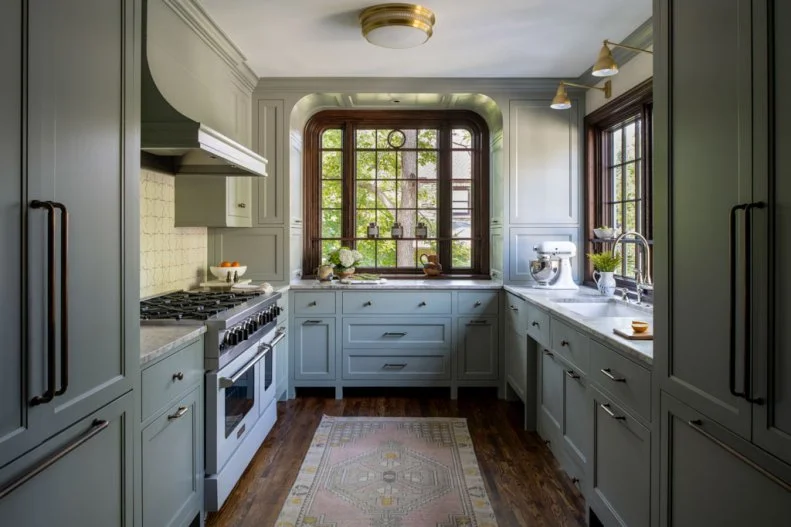
Overhead lighting fixtures that help to circulate air, like a vent fan, are often included in bathroom plans but are frequently forgotten in the kitchen. In a kitchen this large, don't rely on just a range hood to get the job done; multiple ways to remove cooking odors while circulating fresh air is best. A flush mount fixture, like this damp-rated, brass beauty will assist in clearing the air while also illuminating the kitchen with warm, ambient light.
More photos after this Ad
Don't: Opt for Small Fixtures in a Vaulted Space
In this soaring living room, the architects at The Ranch Mine removed or replaced several interior and exterior walls with clear glass panels to create a light-filled two-story space where natural light flows and every room boasts a view of the desert scenery beyond. Principal architect Cavin Costello recommends, "Do use a sculptural fixture if you have a large living space where the scale of the sculptural fixture makes the room more legible."
Tour This Dramatic Phoenix Reno
More photos after this Ad
Do: Add a Ceiling Medallion
Looking for an inexpensive upgrade that makes a big impact? This kitchen's double ceiling medallion draws your attention to the sculptural, contemporary fixture that lights up the marble-topped island and breakfast area.
More photos after this Ad
Don't: Forget To Treat the Ceiling, Too
Designer Prudence Bailey considered every surface in this delightful dining room, including papering the ceiling in soft blue waves that perfectly complement the stunning cobalt beaded chandelier. She says, "Think about the ceiling and the light fixture together. I always want them to feel like they’re having a conversation with each other, not competing for attention. If the ceiling has color, pattern or detail, the fixture should support it and help make the whole ceiling feel intentional."
Tour This Joyful, Colorful Home
More photos after this Ad
Do: Make the Fixture the Star in a Small Space
Tucked into a sunny landing in Wilmington, North Carolina's centuries-old Shandy Hall, the designers at Tongue & Groove Design colordrenched the walls, ceiling and trim with a soothing soft blue that nods to watery views of Wrightsville Beach and the coastal sky, beyond. By color drenching the space the designers helped the small area feel more expansive while also drawing your eye to the bowl-shaped pendant that casts a soft glow through sculpted metal leaves.
Tour the Reimagined Coastal Estate
More photos after this Ad
Don't: Skip a Showstopper in the Dining Room
Designers often refer to statement lighting as the "jewelry of the space" — and this Sputnik-inspired, high-glam chandelier is a great example of how selecting just the right fixture can really define the room. With no recessed lights, sconces or even lamps to compete, the midcentury-inspired fixture dramatically commands center stage.
See More Dining Room Lighting Ideas
More photos after this Ad
Photo: Rusty Williams
14 / 31
Do: Let the Sun Shine In
Known by a variety of brand names (like, Sun Tunnel and Solatube), tubular skylights are an eco-friendly option for harnessing the power of Mother Nature to light up a small space, like a bathroom, laundry room, closet or landing. Much smaller than standard skylights, tubular skylights are less expensive to install and are easier to insulate and seal, eliminating many homeowners' concerns about potential leaks.
Learn More About Skylights
More photos after this Ad
Don't: Forget To Add Functionality With a Dimmer
When selecting overhead lighting for your space, keep in mind that the relatively inexpensive upgrade of a dimmer switch will make it a snap to soften lighting. "Overhead lighting should provide a soft layer of ambient illumination without taking over the room. Put overhead fixtures on a dimmer, then bring in sconces and task lighting to add depth, warmth and flexibility," says Monica Link Reese, Lowe's director of trend and style.
How to Install a Dimmer Switch
More photos after this Ad
Photo: Frank Garnica, Kitchen Doorframe and Island stone: Aria Stone Gallery: Mystic Blue Quartzite, Kitchen stone countertops: Aria Stone Gallery: Calacatta Vagli Oro Marble.
From:
Urbanology Designs
16 / 31
Do: Select Fixtures That Double as Sculpture
Designer Ginger Curtis and her team at Urbanology Designs completely transformed this European-inspired kitchen with an eye-catching barrel-vaulted ceiling and equally eye-catching woven, rattan pendant. When selecting statement lighting, Ginger recommends, "Pick your lighting as if you were choosing art for your home. Lighting is one of the most creative ways to showcase your personality and bring the feel of a space to life. It's an opportunity to make an expressive statement that warrants discussion and admiration. So, don't settle on basic when it comes to lighting, but rather, give yourself permission to think outside the box and choose something you love to look at (and use!) every single day."
Tour This Award-Winning Design
More photos after this Ad
Do: Select Complementary Fixtures
In this adjoining dining and kitchen area, designer Ginger Curtis considered the overhead lighting fixtures' size, materiality and color when selecting two disparate but complementary fixtures. Ginger recommends, "Be sure to choose lighting that doesn't overwhelm or underwhelm a space. Scale is super important and it has to be right for the room to feel balanced. It should feel proportional to the other elements within the environment. We see this a lot with kitchen countertops and dining room tables, where the lighting fixtures above them are either too big or too small and it throws everything else off."
More photos after this Ad
Don't: Forget To Layer Lighting
Designer Michelle Gage wows with this warm-meets-cool kitchen that boasts a pair of sculptural pendants that drop down to properly illuminate the island, the kitchen's main prep space. She suggests, "Don't keep all the lighting flat on the ceiling. Well-lit spaces have layers of lighting, like combining pendants with under-cabinet lights that bring illumination to eye level or the work surface."
See More of This Colorful Home
More photos after this Ad
Photo: Joseph Bradshaw
19 / 31
Do: Consider a Ceiling Fan
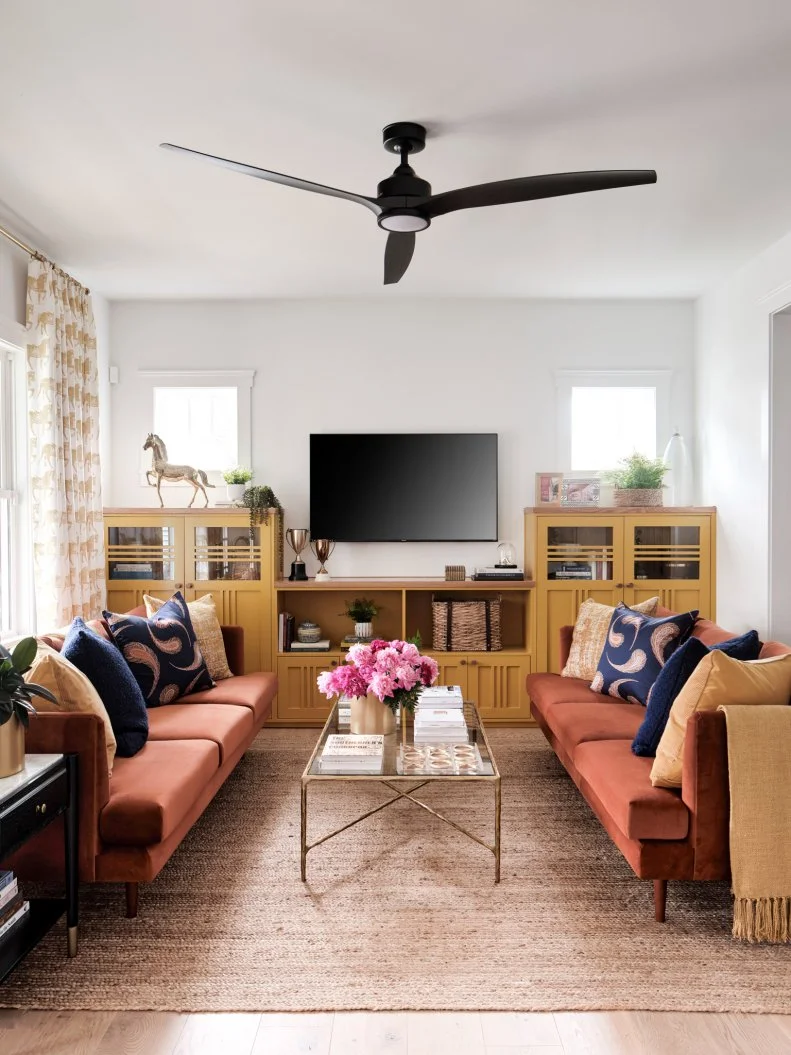
Providing both illumination and airflow, ceiling fans can reduce a room's "feels like" temperature by four to eight degrees, allowing you to bump up your thermostat to save on A/C costs. Bonus: If you're handy or can get an assist from a handy friend, installing a ceiling fan is a DIY upgrade you can tackle to save some money.
How to Install a Ceiling Fan
More photos after this Ad
Don't: Limit Them to Indoors Only
Ceiling fans are not only an energy-efficient addition indoors, they're also a smart way to light up and cool down covered outdoor areas. When selecting which outdoor ceiling fan is best for your porch, patio or deck, keep moisture top of mind. Damp-rated fixtures are best for covered outdoor areas where moisture and humidity are present but the fixture will be well protected from rain itself. Wet-rated ceiling fans offer an extra level of moisture protection and can be installed in open-air pergolas or gazebos where the fan will likely come into direct contact with water.
Our Fave Outdoor Ceiling Fans
More photos after this Ad
Do: Create a Warm Glow
When selecting just the right overhead fixture, also consider the bulbs' brightness and warmth. To ensure a room feels cozy Monica Link Reese, Lowe's director of trend and style, says, "I’d skip cool-temperature bulbs, since they can make a space feel a little stark and sterile instead of comfortable and inviting.
See the Light Bulb Buying Guide
More photos after this Ad
Don't: Forget That More Is More
In this cozy kitchen, a fourteen-foot-long central island offers up plenty of casual seating and prep space — but an island this long also requires a unique overhead lighting solution. To ensure that the marble-topped surface was evenly lit, designer Laura Williams suspended four matching IKEA seagrass pendants for a boho-meets-budget fix.
Tour This Navy Blue Kitchen
More photos after this Ad
Do: Showcase Natural Materials
While this bedroom may be small on square footage, its sculptural overhead fixture, made from a sinuous tube of natural alabaster is certainly big on style.
Tour This Luxe Mountain Getaway
More photos after this Ad
Don't: Rely on a Single Lighting Source in a Vaulted Space
The vertical grain hemlock cladding this kitchen's vaulted ceiling provides a rich organic accent and helps to bounce natural light through the vaulted space. While the open kitchen receives plenty of sunlight during the day, architects at The Ranch Mine still kept overhead lighting functionality in mind. Says principal architect Cavin Costello, "Do use recessed lights with dimmers in high ceilings to provide overall lighting for cloudy days and evenings or for tasks that require even light throughout. But, don't rely on recessed lights alone to provide all the lighting in spaces with tall ceilings; include dropped chandeliers and pendants to bring the lighting down to more of the human scale."
Tour This Award-Winning Home
More photos after this Ad
Don't: Settle for Dated Track Lights
State-of-the-art in the '80s, track lights were ubiquitous and a great option, at the time, for casting light onto multiple areas from a single, long bar-style fixture.
See This Kitchen From 'Before' to 'After'
More photos after this Ad
Do: Swap Dated for Daring
The creative team at Copper Sky Design + Remodel opened up this kitchen to create better flow and connection to the rest of the home while retaining the home's midcentury features, including the vaulted ceiling's exposed wood beams. The design team swapped the '80s track lights for a triple fabric lamp from pioneering modern brand, Herman Miller.
Tour This '50s-era Reno
More photos after this Ad
Don't: Overlook Accent Lighting
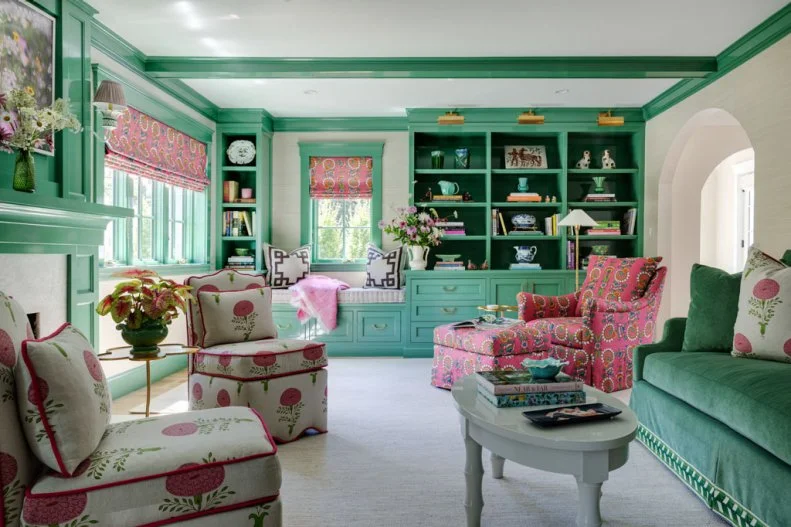
Accent lighting is a fun way to add a bit more illumination while drawing attention to a standout architectural feature, like the specialty fixtures that light up these cheery Kelly green built-ins. Designer Rhonda Everts brightened up this bookcase with a trio of brass picture lights that wash the homeowners' collectibles and favorite reads in a soft glow.
Tour This 1920s Cottage
More photos after this Ad
Do: Incorporate Organic Shapes
Resembling jellyfish or drifting clouds, these rattan pendants are woven by hand, creating unique differences in each fixure's shape. The breakfast nook's surrounding wall of windows boast prime waterfront views, making the beachy, organic shapes a perfect stylistic fit.
Tour This Lovely Seaside Home
More photos after this Ad
Don't: Sleep on Timeless Styles
A pair of traditional, pagoda-style lanterns illuminating the kitchen island is a classic look that designers have long loved and continue to rely on. Reminiscent of centuries-old designs, these modern replicas look right at home in designer Debbie Mathews LeRoy's North Carolina cottage, where a lifetime of collected antiques are on display.
NC Mountain Home Where Old Meets New
More photos after this Ad
Don't: Stick With Matchy-Matchy
It's a natural inclination for most homeowners to select matching lighting fixtures, like a chandelier and sconces from the same collection, mainly because it's easier than walking a massive lighting showroom or endlessly scrolling online to select disparate components that'll work together. But, selecting lighting fixtures that are too matchy-matchy can read as dated or builder-basic.
More photos after this Ad
Do: Opt for Standalone Styles
In place of the dining room's dark, Italian-inspired fixtures, the team at Peruri Design Company selected a massive, blackened nickel chandelier, clad in hand-blown glass discs. For the sconces, brass wall-mounted pendants add a touch of gold and will wash the walls in a soft glow.
Tour This Reimagined California Home