


How to Bring Lagom, the Swedish Art of Balanced Living, Into Your Home
Let the philosophy of ‘not too little, not too much’ be your inspiration — and design your ideal living space.

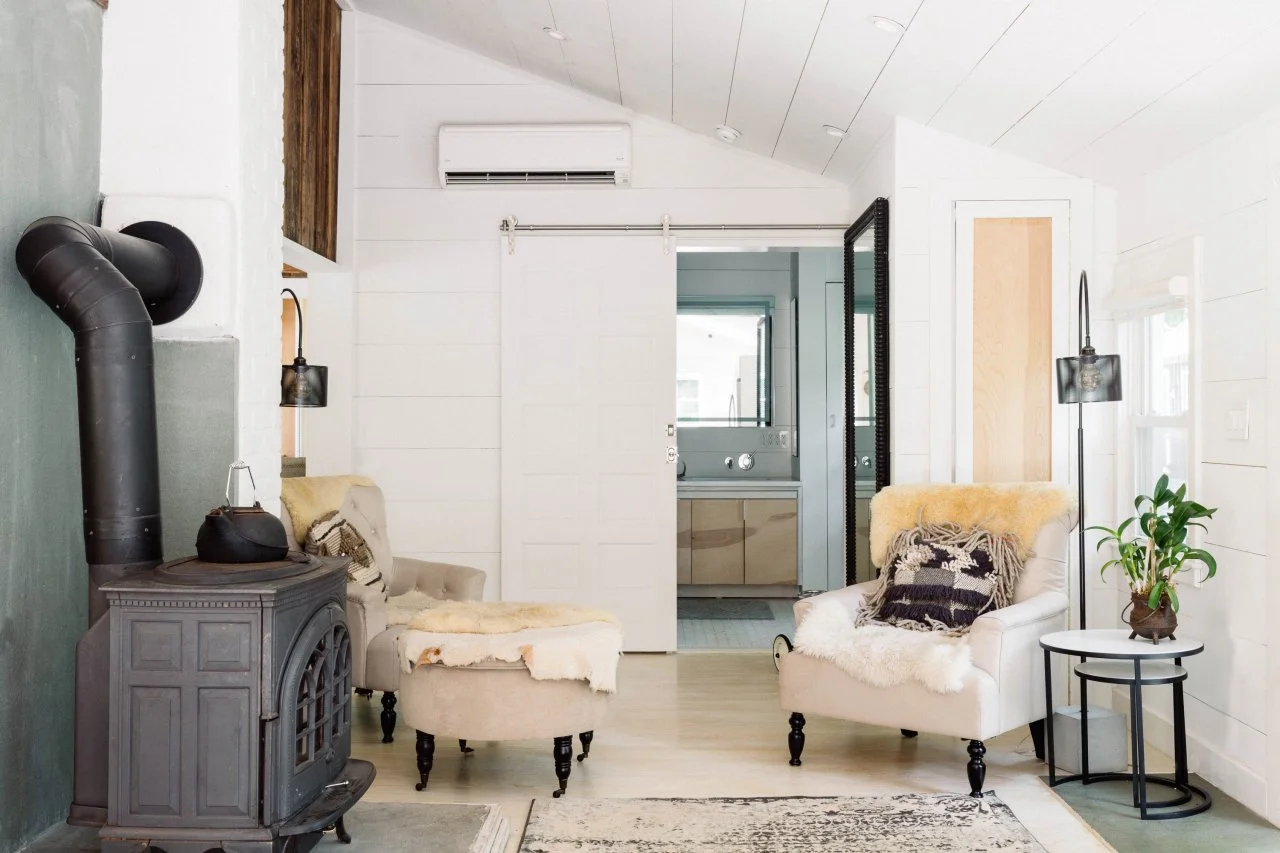
Cozy Sitting Area With Farmhouse Style
On the other side of the room, tufted armchairs and a matching ottoman invite guests to put their feet up and relax. Faux-fur throws and custom pillows ensure that this sitting area is totally comfortable.

Photo by: Nick Glimenakis
Nick Glimenakis
Scandinavia has given us so many memorable lifestyle concepts: hygge (creating a cozy, comfortable vibe at home), fika (the daily coffee break and time of social connection), friluftsliv (restorative time spent in nature).
One idea that is surprisingly easy to adopt is the Swedish philosophy of lagom (pronounced lah-gom).
Author and interior designer Niki Brantmark @myscandinavianhome is the author of Lagom: The Swedish Art of Living a Balanced, Happy Life. A Brit who has lived in Sweden for 22 years, Niki is living proof that you can swap old habits for new ones, like lagom.

Niki Brantmark
Niki Brantmark, the author of Lagom: The Swedish Art of Living a Balanced, Happy Life.
What is Lagom?
“There is no direct translation for the word lagom,” she says. “Instead, it can best be described as ‘not too much, not too little, just right.’ It's about finding a balance that feels right for you, whether that's something small, like the temperature of your shower, or larger lifestyle choices such as work-life balance, wellbeing, or how you spend your time and energy.”
Think of that idea of a glass being half full or half empty. To an optimist it’s half full and to a pessimistic, half empty. But in lagom, that amount might be all you need to quench your thirst or heat you up after a cold day outside. It is looking at the life you have and finding contentment within it.
Lagom is all about living in and appreciating the moment, practicing mindfulness and finding the beauty in every day rather than pining for the happiness you imagine will come at some future point with a better job, house, life, etc.
And it’s hard to deny that the Swedish approach to life is creating a level of happiness many countries would love to attain. Quality of life is famously high in most of Scandinavia with Sweden consistently ranked in the top 10 of the world’s happiest countries along with Finland, Denmark, Iceland, and Norway.

Ola Ericson/imagebank.sweden.se
The Swedish Roots of Lagom
Niki says that lagom is deeply rooted in Swedish society and the idea that moderation rather than hoarding assets or objects is beneficial to the entire society. “Ensuring there is enough to go around for everyone,” is at the heart of lagom says Niki.
Legend claims that the term originated with the Vikings who had a tradition of “laget om” meaning “around the team” used when passing around a bowl of mead (an alcoholic drink of fermented honey) and each person would take just a lagom, or just enough so that everyone received a drink. More likely is the word’s derivation from an older form of “lag” meaning law, or common sense law or what is right and appropriate.
“In many ways, lagom is about resisting extremes, whether that's overworking, overconsuming, overcommitting, or constantly multitasking, and instead finding a more sustainable rhythm in everyday life,” says Niki, which is definitely an appealing prospect when so many of us feel like our lives are a hamster wheel of constant, exhausting motion.

Niki Brantmark
Why Lagom May Be the Key to Happiness
The concept of everything in moderation may be hard for Americans to understand since we seem to be culturally hardwired to define ourselves through our work, including working hard — and often playing hard — and many of us find self-definition in our material possessions. But lagom embraces a different reality founded on contentment with what one has, rather than continually striving for something else.
“There's less focus on excess or status, and more emphasis on wellbeing, functionality, and enjoying everyday moments, which, to me, is very much the essence of lagom,” says Niki.
Practice the Art of Saying No
Ready to start bringing lagom practices into your life? To say “yes” to lagom you might first need to say “no.”
We all have social obligations and sometimes when they stack up they can feel oppressive. Learn to say no to gatherings that don’t inspire you or social obligations that leave you feeling too drained to make time for yourself or for family.
“Simply learning to say no when your schedule feels too full,” says Niki, can be a powerful thing. “Working excessively long hours and leaving no time for rest, recovery, hobbies, or loved ones is ultimately unsustainable and often counterproductive” she says so practice moderation at work and at home.

Zero Creatives / Cultura / Getty Images
Take a Break
Take that daily coffee break or walk through the park at lunchtime to refresh. But don’t overlook the value of taking the kind of bigger step back that can be life-affirming and restorative. Americans are notorious for not taking the vacation time they have accrued, but happiness is not defined by work alone. Always wanted to go to Spain? This is the year to do it.
Change Bad Habits
Eating at your desk to finish up a project? Don’t fall into the trap of thinking self-care is something you just practice at home after a long day at work with a bubble bath or a good book. Giving yourself a moment to decompress and enjoy a lunch with friends and colleagues will allow you to continue your day refreshed. There is a reason the Swedes go hard on another ritual: fika. A daily coffee break is close to a sacrament in Sweden, a built-in ritual that once established, just becomes the norm.
Focus on Need, Not Want
Walk the radical path of self-awareness and don’t mistake a desire for something shiny, new and trendy for an actual need.
Don’t Play Into Guilt
So you cheated on your diet and had a piece of cake? Don’t fret or think you’ve sabotaged your health. Just write it off as part of experienceing a celebration or enjoying something sweet and move on.

John Gruen
How to Bring Lagom Into Your Home
Don’t Shop for Happiness
Just as Marie Kondo famously advises to only keep items that “spark joy” surround yourself with the things that you truly love, that make you feel cozy and comfortable instead of buying into the latest trend, or something on sale that offers the promise of happiness.
Instead curate your home to maximize contentment: create a reading nook close to a window for lots of natural reading light and the perfect place to cuddle up with a good book. Turn that guest room that rarely gets used into a place to enjoy a favorite hobby whether that is playing music or sewing and pass the guest bed along to a women’s shelter or refugee support group so someone else can enjoy it.

Robert Peterson, Rustic White
Declutter and Organize
It’s hard to feel content and “just right” with that stack of magazines piled up next to your bed and that basket of clean laundry staring back at you. Keeping your home neat and organized makes it easier to focus on what you love. “Having a good declutter and organising your home in a way that feels both practical and aesthetically pleasing can create a calmer, happier environment in which you can truly thrive,” says Niki. Eliminate unused possessions and resist stockpiling anything for a rainy day or some imagined future use.

Asaf Kliger for ICEHOTEL
Bring Nature Inside
Being in nature is essential to good health and enjoying life in the Swedish concept of friluftsliv. Draw that same inspiration and sense of peace even when you’re inside by incorporating the pleasures of nature in your home with plants, pets, plenty of natural light and natural, organic materials like wood and stone.
Design With Sustainability in Mind
Being conscious of what you consume is key to lagom. Buying intentionally and only bringing things into your home that are necessary, beautiful and sustainable means the same sort of care you take in attaining inner contentment is taken in creating one’s physical surroundings to enhance one’s overall quality of life. Use items you already have and when you can, buy secondhand (including antiques, which often have a worn, lovely patina). Buying from thrift stores or resale shops also gives a second life to discarded objects and keeps things out of landfills while not contributing to the cycle of manufacturing, consumption and discarding of more and more objects.
Aim for Warmth and Comfort
Use existing items, or bring useful things into your home that add to a feeling of coziness, serenity and joy. Things that are soft to the touch and made from natural materials add essential warmth. Your design should make you feel good rather than advertise your good taste or income bracket to friends and family.

Use Simple Color Palettes
Too many colors competing for attention, or patterns that can feel busy create a more chaotic space, so aim to keep your color palette simple. Your home should feature the colors you love and make you happy but steer clear of too many competing colors. Many Scandinavian homes create a soft, neutral, restful environment by using shades of tan, gray, blue, creamy whites and ivories, a minimalist palette you can try emulating in your own home.





.jpg.rend.hgtvcom.231.174.85.suffix/1738869389274.webp)