Next Up

14 Designer Tips for a Better Night's Sleep

Follow Felicia on:

We asked interior designers to give us their top tips for better sleep.

Photo: Sean Litchfield. From: Becky Shea Design
Scroll For More Photos
1 / 14

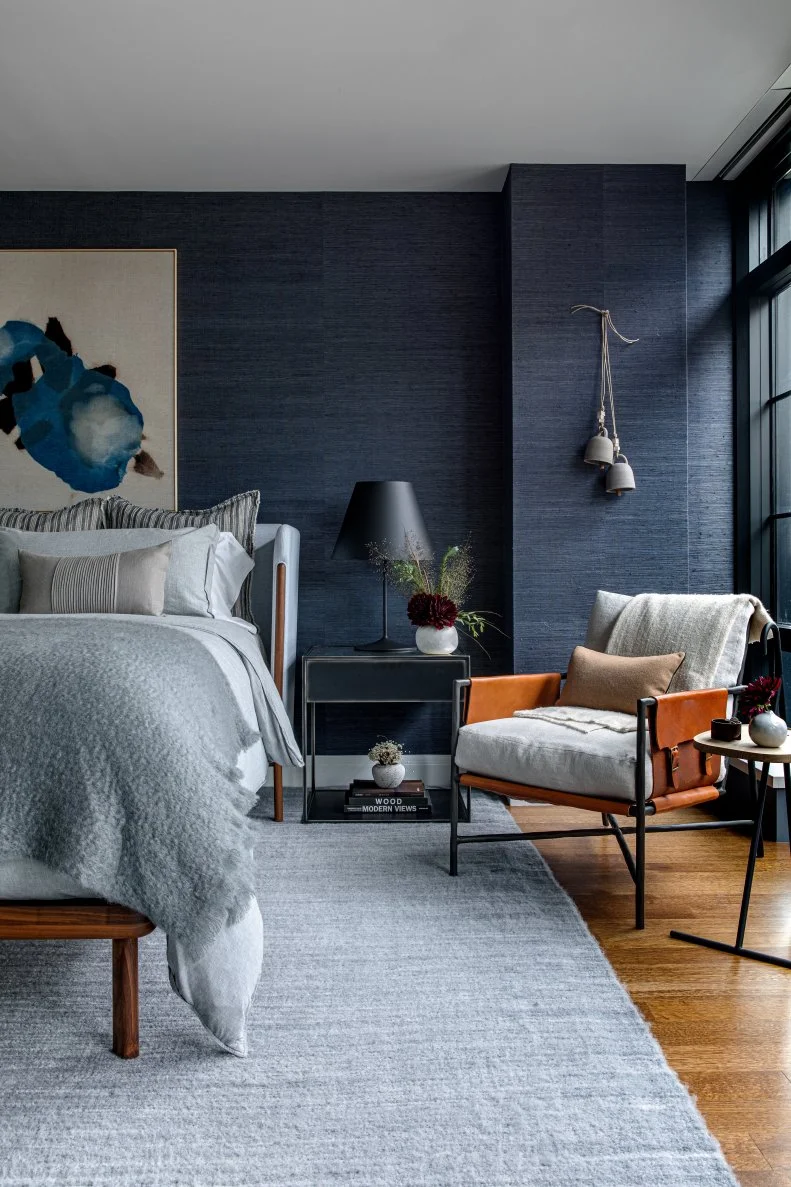
Dark Colors Soothe

"Don’t go too crazy with the color scheme. Go for a palette that feels soothing and tranquil, such as blues, deep greens, and blush," says Sara Malek Barney of Bandd Design. "Paint your walls a dark color, such as gray or dark blue, to give the room a calming effect and trick your mind to associate the space with a deep sleep."
More photos after this Ad

Photo: Molly Culver
2 / 14

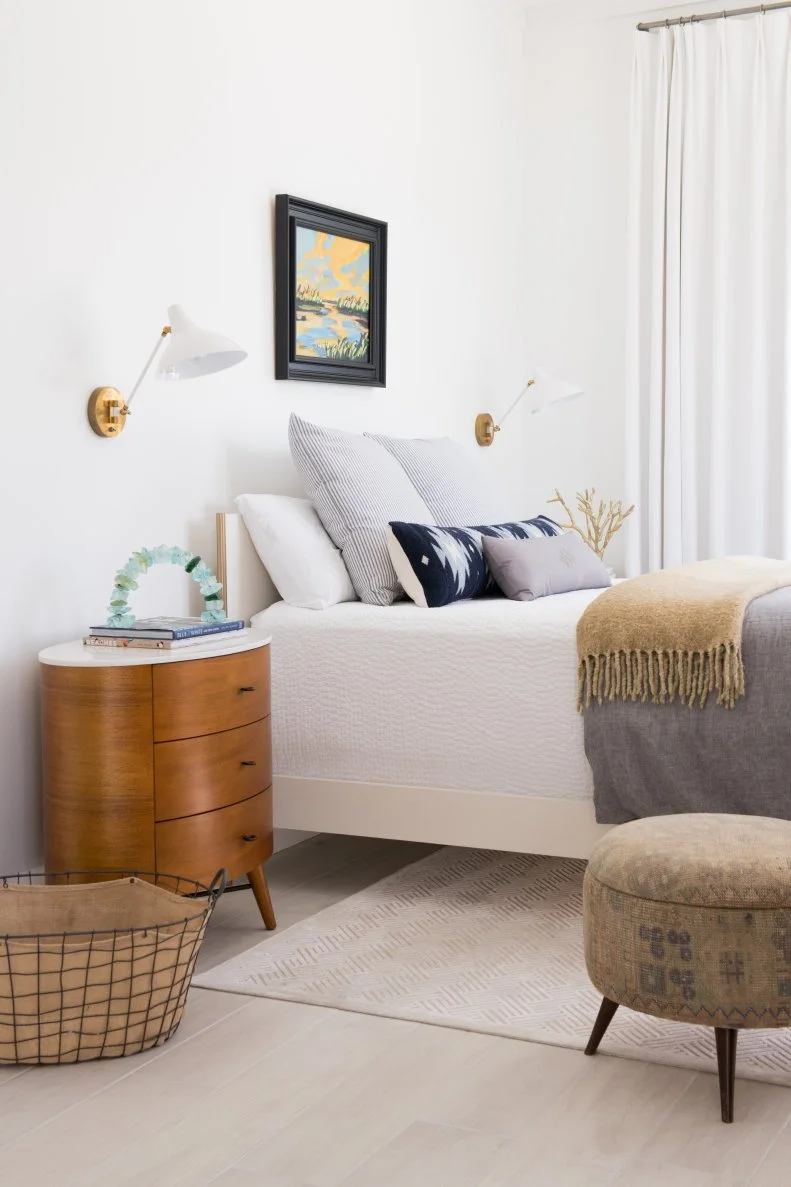
Cut the Clutter

"Add storage furniture or baskets to your room so that you can tuck away miscellaneous items and keep them tidy, since a cluttered room can cause anxiety and mess with your sleep. I recommend a storage bench for the end of your bed or a storage-friendly bedside table - decorative, yet functional," says Sara.

Learn More

More photos after this Ad

Photo: Molly Culver
3 / 14

Invest in the Right Bedding

"Invest in the right bedding for you," says Sara Malek Barney. "Are you a hot or cold sleeper? I’m a hot sleeper and I swear by breathable, performance sheets and linen bedding. But if you’re a cold sleeper, go for something warmer such as cotton."

Learn More

More photos after this Ad

Photo: Haylei Smith
4 / 14

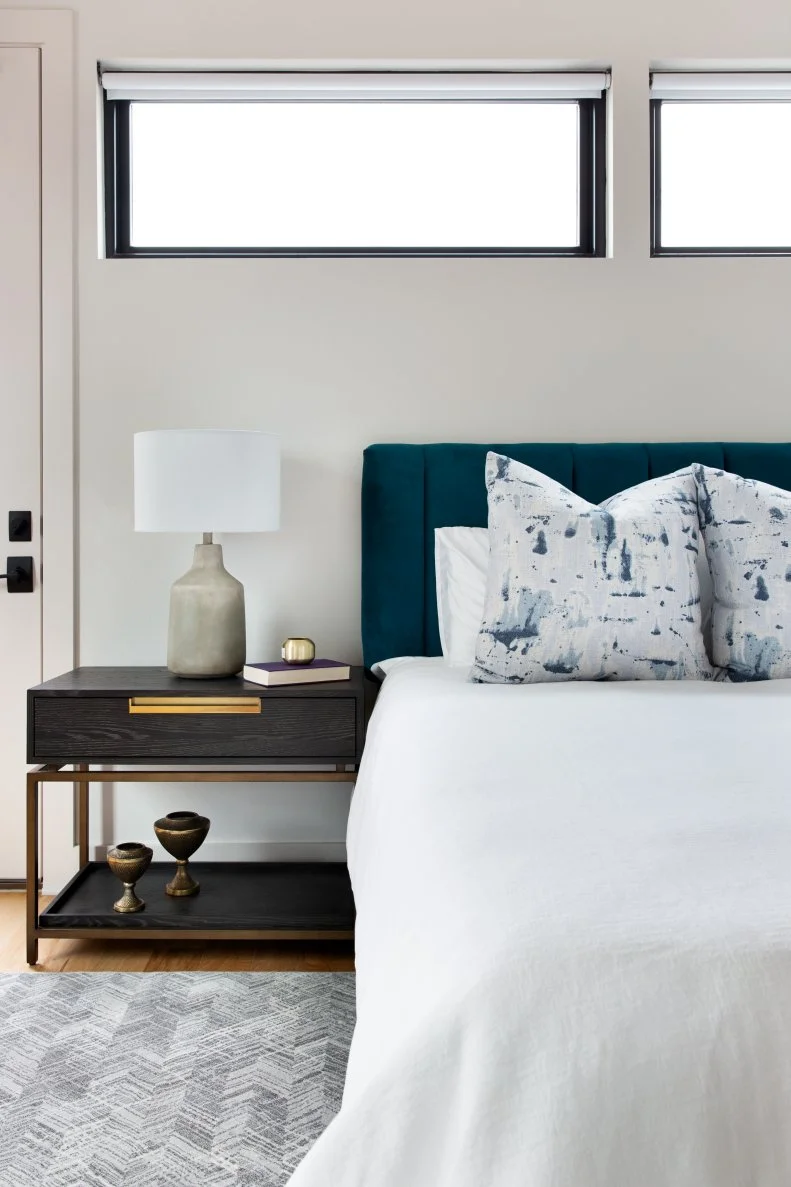
Create a Landing Pad

Lance Thomas of Thomas Guy Interiors recommends an efficient, pared-back bedside landing pad. "My secret (accessory) weapon is a nightstand tray," says Lance. "It provides a resting place for all of my personal effects. Most importantly my phone, which I avoid touching again until the alarm goes off. I sleep better knowing that everything is in its place."

More photos after this Ad

Photo: Kyle Caldwell. From: North Fork Design Co.
5 / 14

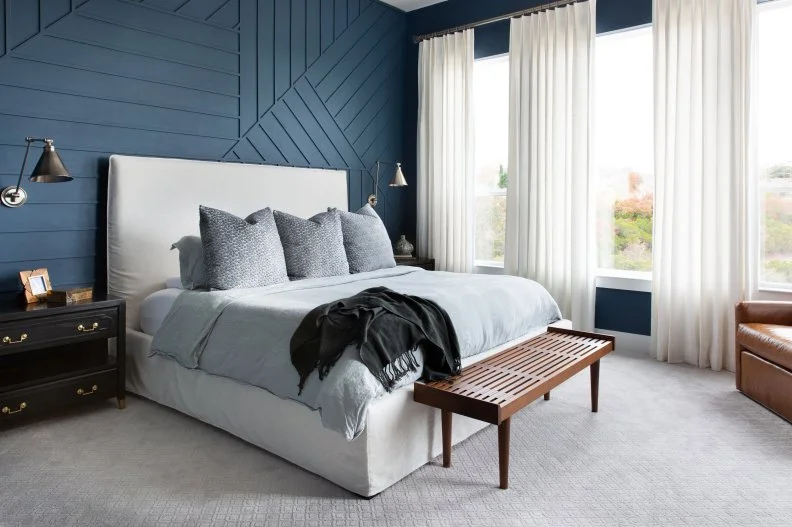
Set a Mood

Designer Lance Thomas recommends setting a mood when it's time to sleep. "Paint the walls (and ceiling) a deep moody hue. It creates this monolithic, cavernous feel that is sure to cuddle you to sleep."

More photos after this Ad

Photo: Stoneside
6 / 14

Automated Shades

Designer Jason Miller likes automated shades for their clean lines and lack of cords. "Automated window treatments also add privacy and coziness to your bedroom for a great night's sleep," he says." If you don’t want your neighbors to know your entire night routines, or if you want to dim the light and create a more cozy atmosphere, you will have total control of the shades to let just the right amount of light in, and you will be able to decide that for each room as they all might have different needs."

More photos after this Ad

Photo: MODTAGE design. From: Gretchen Murdock
7 / 14

Choose the Right Lights

"Lighting plays an integral role in winding down for the evening," says Lance Thomas. "Use low watt, warm bulbs. Try switching your white lampshades to dark ones," he says. "They'll cast an ambient glow rather than illuminate the room. Allow your overhead can lights to carry the task lighting load."

More photos after this Ad

8 / 14

Create a Wellness Space

Designer James Brewer recommends adding elements to your bedroom that enhance wellness. "It doesn’t have to be a huge space if your bedroom is rather small, it is ok! But dedicate a corner or an area of your room where you can really center yourself. You can retreat there to meditate, read, journal, practice yoga," he says. "Add a chair or a few pillows and some objects that are close to your heart. This is also a great place to have candles that will be very soothing or an essential oil diffuser. Having a dedicated space for yourself will help you to start and end the day feeling grounded. Decide to spend just 5 minutes there every morning and night and see the effect it will have on you."

More photos after this Ad

Photo: Molly Culver
9 / 14

Use a Dimmer

Mary Patton of Mary Patton Design says, "If you have overhead lighting in your bedroom it should be a chandelier on a dimmer. Other than that, lamps with 40-watt bulbs — it’s a soft, calming light."

More photos after this Ad

Photo: Molly Culver
10 / 14

Go With Monochromes

"I’m loving doing clients' bedrooms in basically one color with varying tones," says Mary Patton. "It creates a very soothing atmosphere which helps for a calm night's sleep."

More photos after this Ad

Photo: Anna Lowder
11 / 14

Use Blackout Drapes

"Custom drapes, in a similar shade to the wall color, lined in a blackout," is what designer Mary Patton recommends for a good night's sleep. "It is so worth the investment and elevates the room in every way."

More photos after this Ad

Photo: Paul Finkel, Piston Design. From: Clark Richardson Architects
12 / 14

Choose the Right Ceiling Fan

"Ceiling fans should not have lights. If you must have a fan get a modern, minimal one," says Mary Patton. "The overhead lighting from a ceiling fan oftentimes gives off a very harsh and stark lighting effect that is not very conducive to the bedroom, especially if you already have another overhead lighting source."

More photos after this Ad

Photo: Stoneside
13 / 14

Add Roman Shades

"If you are worried the blackout shades will hurt your design, roman shades are made just for you," says designer Tamara Brown."They are one of our favorite shades because they are very design-focused. The way they fold once open gives a clean look to the room. You also have a wide variety of colors and styles to choose from," she says.

More photos after this Ad

Photo: Jeff Herr . From: James Farmer
14 / 14

Layer Your Window Treatments

"Layering multiple window treatments is also a good way to block the light," says designer Tamara Brown. "You can add a blackout drapery which will provide a more dramatic look to your room. Make sure the drapery goes all the way down to the floor to let no space for the light to filter in."