What Is No-Mow May and Is It a Good Idea?
No-mow May is all about helping pollinators. Learn more about this trend and how to make it work for you.
©iStockphoto.com/qingwa
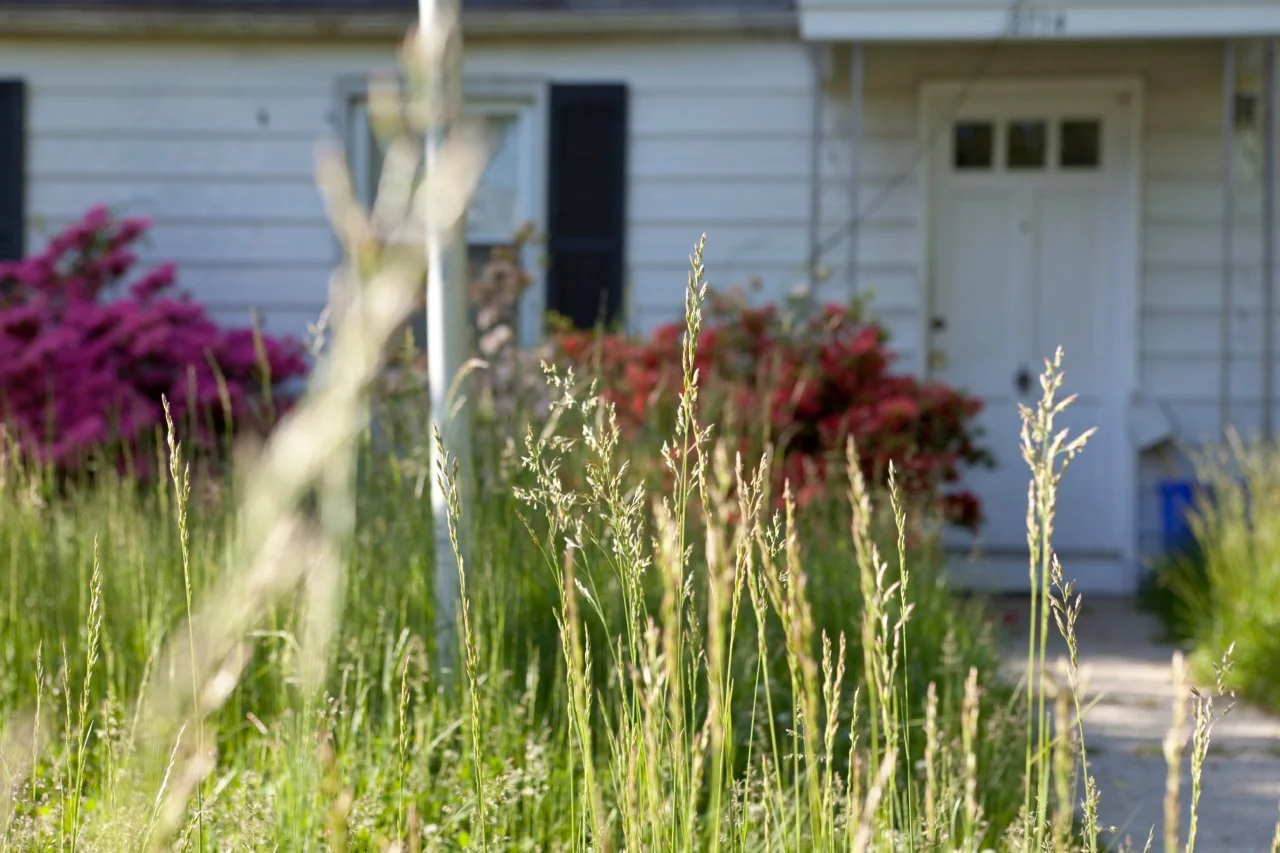
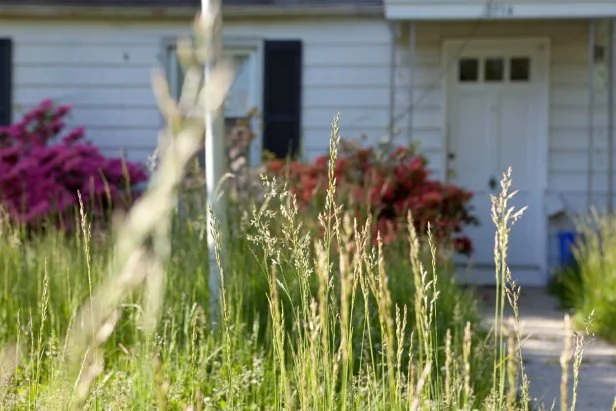
During no-mow May, tall grass enhances your yard’s biodiversity by creating shelter and food for pollinators.

No-mow May sounds appealing — a month without mowing! It’s like a dream come true for most homeowners, especially in spring when lawnmowers buzz all weekend long.
Conceived as a conservation effort to benefit pollinators, no-mow May is the brainchild of a UK-based organization, Plantlife. On this side of the Atlantic, Bee City USA spearheads efforts.
No-Mow May Benefits
The underlying idea of the campaign is that by letting a lawn grow for a month, it creates habitat and food sources for early-season pollinators. In other words, it’s a plan to help nourish bees and other pollinators. Who can’t get behind that?
Shutterstock/Lois GoBe
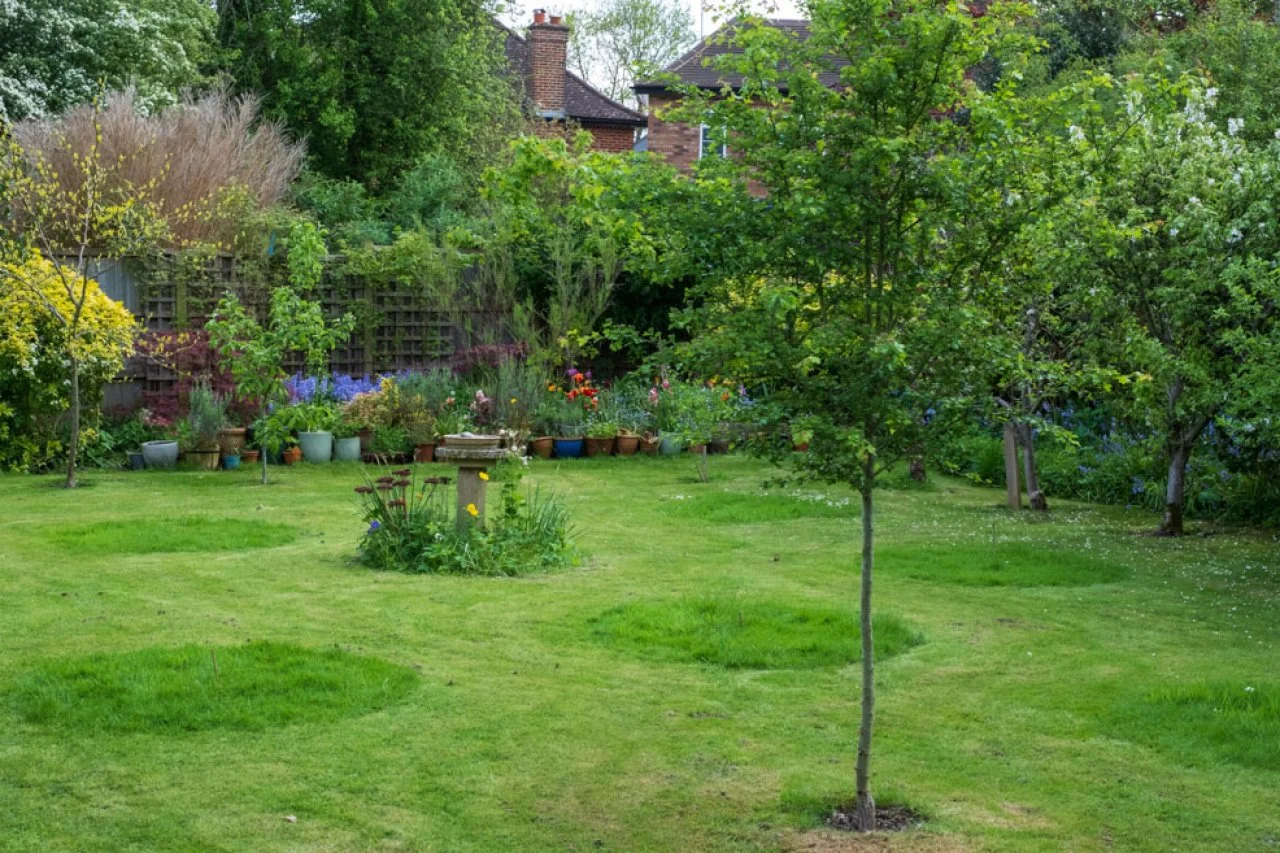
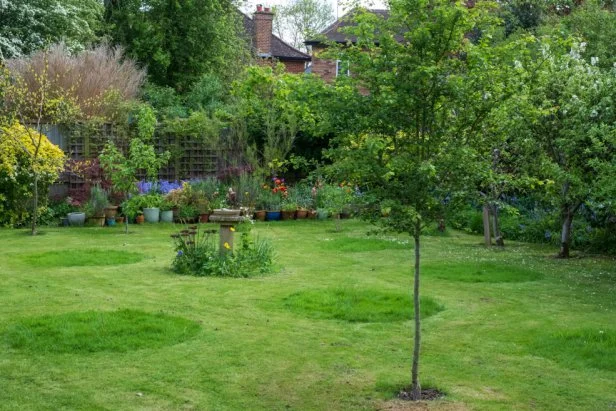
One way to honor the no-mow May concept is to leave just small portions of your yard unmowed. Long grass areas like this provide shelter for insects.
Before you start celebrating a mower-free month, discover some of the challenges to embracing no-mow grass for a month and learn about other easy — and beautiful — ways to help pollinators.
The Downsides of No-Mow May
You May Get a Weed Citation
One of the first challenges of not mowing is dealing with local ordinances. Most municipalities have some kind of weed ordinance, which typically specifies lawn height and sometimes the types of plants that count as “lawn.” Failure to comply with ordinances results in fines and/or mowing fees. The weed ordinances in most cities, counties, townships and HOAs don’t permit not mowing for a month.
Address this potential problem by communicating with neighbors and local officials about the intentionality of no-mow May and the goal of benefiting pollinators. Communicating is key to avoiding fines. Download and print yard signs that show that you are participating in no-mow May and creating a beneficial habitat for pollinators.
Taming an Unmowed Lawn is Tough
In much of the country, May kicks off a time of rapid grass growth, when frequent mowing is the only way to keep it trimmed in the healthiest way: removing only one-third of grass blade length with each mowing. Left unmowed, a lawn can easily grow a foot tall in May. In that state, it quickly outgrows any other plants that might offer nutrients to pollinators, literally hiding helpful flowers from hungry insects.
When no-mow May is done, the task of cutting grass that’s a foot high is a hurdle most mowers can’t handle. A string trimmer is up to the task, but you definitely can’t plan to cut the lawn one time anyway, since the way to keep grass plants healthy is to remove only one-third of grass blade length at each cutting.
Shutterstock/FotoHelin
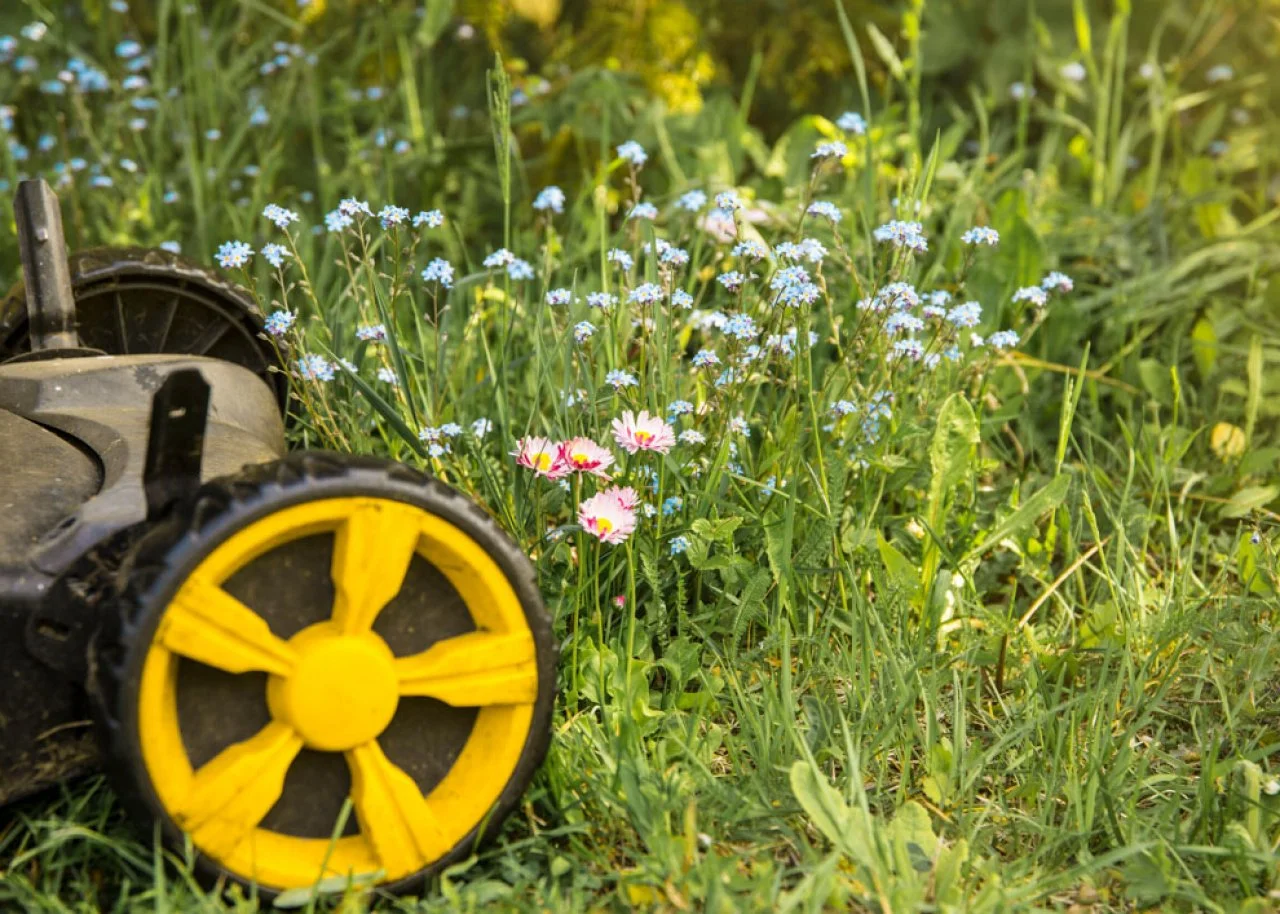
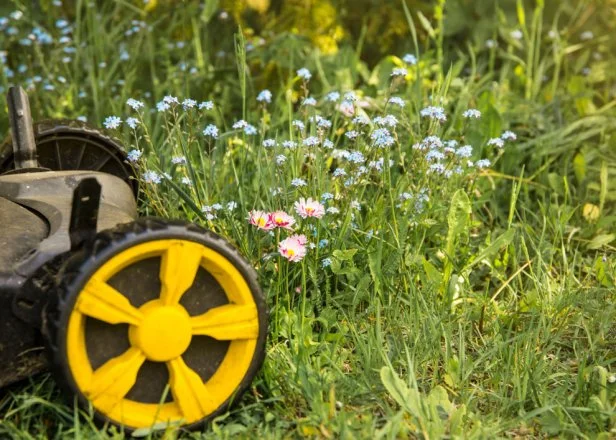
If left unmowed, most lawns won’t sprout wildflowers like these pink English daisies and blue forget-me-nots. But you can overseed your lawn with white Dutch clover in places to enhance its pollinator potential.
If you attempt a one-and-done cutting to reduce height, you risk stressing and even killing grass, creating a patchy lawn that’s more susceptible to weeds. You’ll also have to deal with a heavy crop of grass clippings that can’t be left on the lawn.
You Could be Just Teasing the Bees
Suburban lawns typically present a food desert to pollinators, so not mowing has the potential to permit some other plants to bloom and offer insect nourishment. Typical lawn weeds like clover, dandelion, creeping Charlie and violet all provide some food for pollinators.
Even so, some entomologists object to the idea of a month without mowing because while insects may find some flowers to feast upon during the no-mow phase, when June arrives and lawnmowers rev up, the food source disappears.
Pollinators communicate among themselves — a bee hotline, if you will — sharing the location of food sources, which they return to repeatedly. When mowing begins again, the food disappears and insects will waste energy searching for food sources that no longer exist.
Weeds Will Gain Ground
Regular mowing doesn’t just keep grass trimmed, it also keeps weeds in check. Woody invasive weeds like mulberry, Siberian elm, trumpet vine or honeysuckle don’t tolerate mowing, which effectively keeps them from growing. Green plants including garlic mustard, velvetleaf and leafy spurge also fall into this category.
Mowing keeps all of these problem plants from gaining a foothold in your lawn. Left unmowed for a month, any of these poses a potential problem, not only in your lawn, but also in planting beds, if they establish and spread.
Alternatives to No-Mow May
While a month without mowing presents some challenges, it also provides a terrific opportunity to rethink how you handle your lawn. Instead of no-mow May, try doing a mow-less May — and June, July and so on. Instead of mowing once a week, mow every 10 to 14 days. It would give plants like clover a chance to flower and nourish pollinators.
Delayed mowing also means you have to set your mower to a higher cutting height, which ultimately yields healthier grass. Taller grass shades the soil, helping to keep weed seeds from germinating. Taller grass also sinks deeper roots, which means you’ll have a more drought-tolerant lawn that better withstands summer heat.
Evelyn Hadden
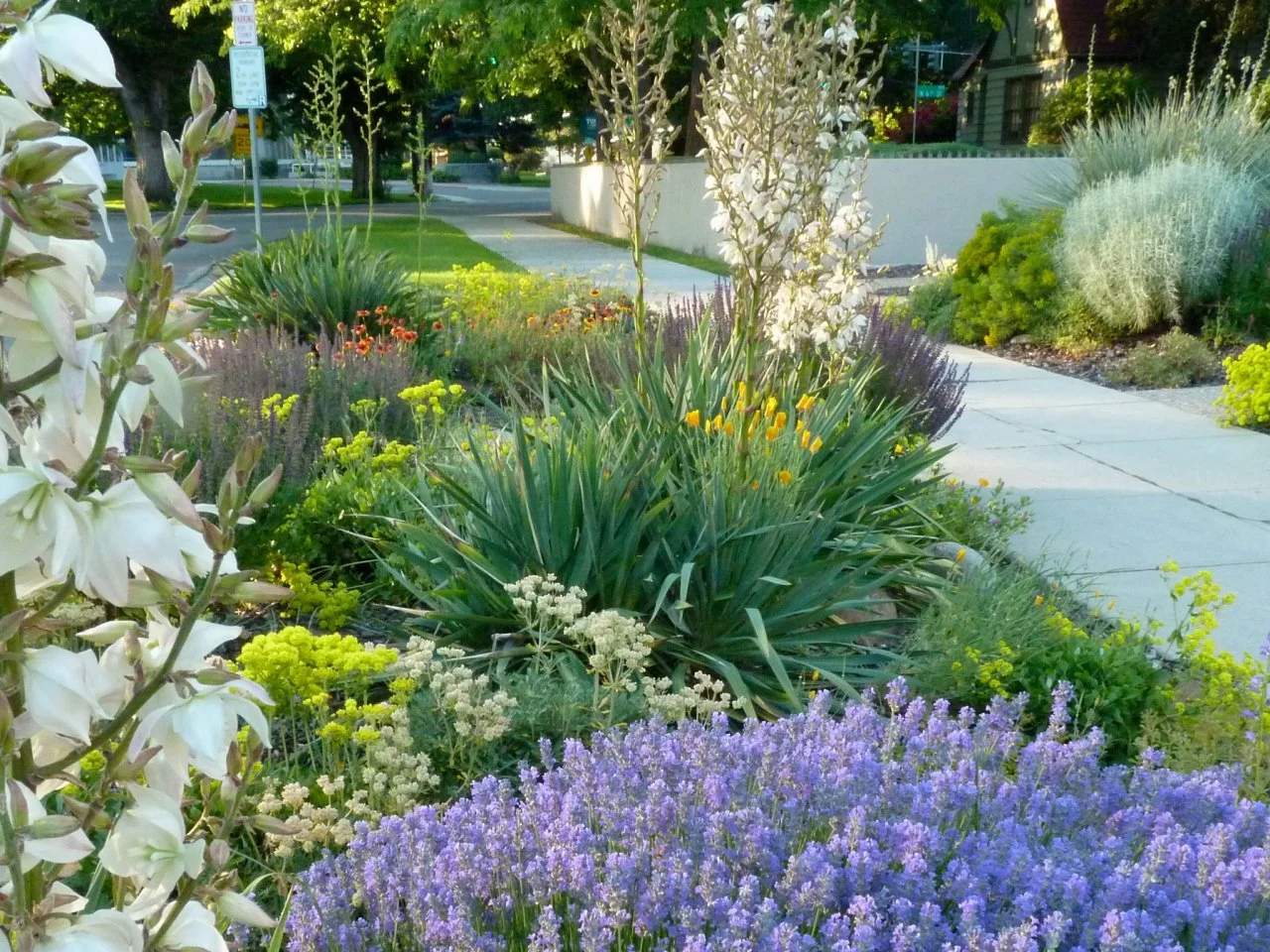
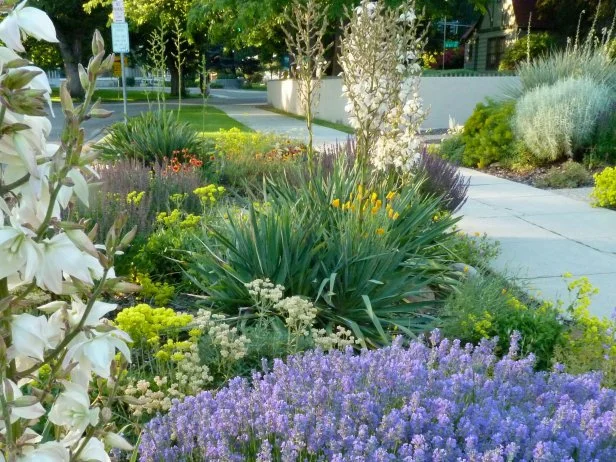
Convert part of your lawn to a pollinator paradise with plants that flower throughout the season, such as yucca, lavender, euphorbia and buckwheat.
Mowing less also means you’ll be burning less fuel and producing fewer emissions. That’s true for electric mowers, too, since the power to charge batteries or operate the mower has to come from some power source that may not be green.
How to Actively Support Pollinators
Encouraging pollinators to feed in your yard isn't difficult. Consider these simple strategies to increase your landscape's pollinator appeal.
- Reduce lawn. Convert turf areas to pollinator-friendly plantings that provide flowers throughout the growing season. Focus on having plants in bloom from late winter to the last fall frost with a mix of trees, shrubs, perennials and bulbs.
- Plant bulbs. Simply adding spring flowering bulbs to existing planting areas rolls out the welcome mat for pollinators at a time of year when food is scarce. Good early blooming bulbs to consider include snowdrops, glory-in-the-snow, anemone, scilla, crocus and hyacinth. These don’t take up much room and easily fit into existing planting spaces.
- Add key shrubs. Consider planting early-flowering shrubs, such as witch hazel, winter jasmine, star magnolia, Pieris or Korean spice viburnum. A local nursery should be able to guide you to the right plants for your region. If you opt for a flowering magnolia, look for varieties that bloom later, so you’ll have a chance for blossoms even with late frosts.
25 Flowers for Bees 25 Photos
Your garden will be buzzing with excitement with our un-bee-lievable collection of flowers and plants that attract bees.
While not mowing for a month may not be an ideal option for you, let the concept inspire you to reconsider your lawn care practices and how your landscape can help nourish vital pollinators. The reward is an increased number of bees, butterflies and other kinds of insects that will feast on the plants you provide.
Your yard will teem with life that’s fun to watch and learn about, and you’ll cultivate a mini ecosystem that helps nourish the planet’s food web. It’s a win that’s much bigger than not mowing for a month.