How to Sow Grass Seed in Winter
Where winters are cold, dormant seeding gives your lawn a leg up on spring germination and growth. It's sow cool.

Dormant seeding is the practice of sowing grass seed in the winter months when the seeds are inactive. If your scraggly, patchy lawn could use some attention and you live in an area where winters are consistently cold and snowy, it's a way to get a head start on growing a lush, green lawn in spring.

Johnson Giles, Loch & Key Productions
Broadcasting grass seed over bare or patchy areas between snowfalls gives seeds an opportunity to anchor in the soil before germinating. Subsequent periods of freezing and thawing will help the process along, creating cracks and crevices in which seeds may settle before eventually being covered over by shifting soil. In addition, seed already in the ground as spring approaches and snow melts is ready to break dormancy and begin growing in the moist soil.

Studies have shown that February may be the best month for sowing a cool-season grass.
Dormant seeding may not be successful in areas that experience wide fluctuations in winter temperatures. A series of warmer days could cause the seed to break dormancy and begin to germinate; if that period is followed by more freezing weather, tender new seedlings would be damaged or killed. But where winters are consistently cold, dormant seeding may take place anytime during the months of November through February. In fact, studies have shown that February may be the best month for sowing a cool-season grass, with germination success rates as high as nearly 75% — a significant advantage over December or January rates of around 50%.
If you're planning to seed your lawn before that final thaw, follow these simple rules to ensure the grass will be greener on your side of the fence.
Tips for Sowing Grass Seeds in Winter
- Select a cool-season grass that germinates best while the ground is still a bit cool — fescues, Kentucky bluegrass or perennial ryegrass, for example.
- Seeds must make direct contact with bare soil.
- Dormant seeding is most successful in soil that is loose or has been previously tilled.
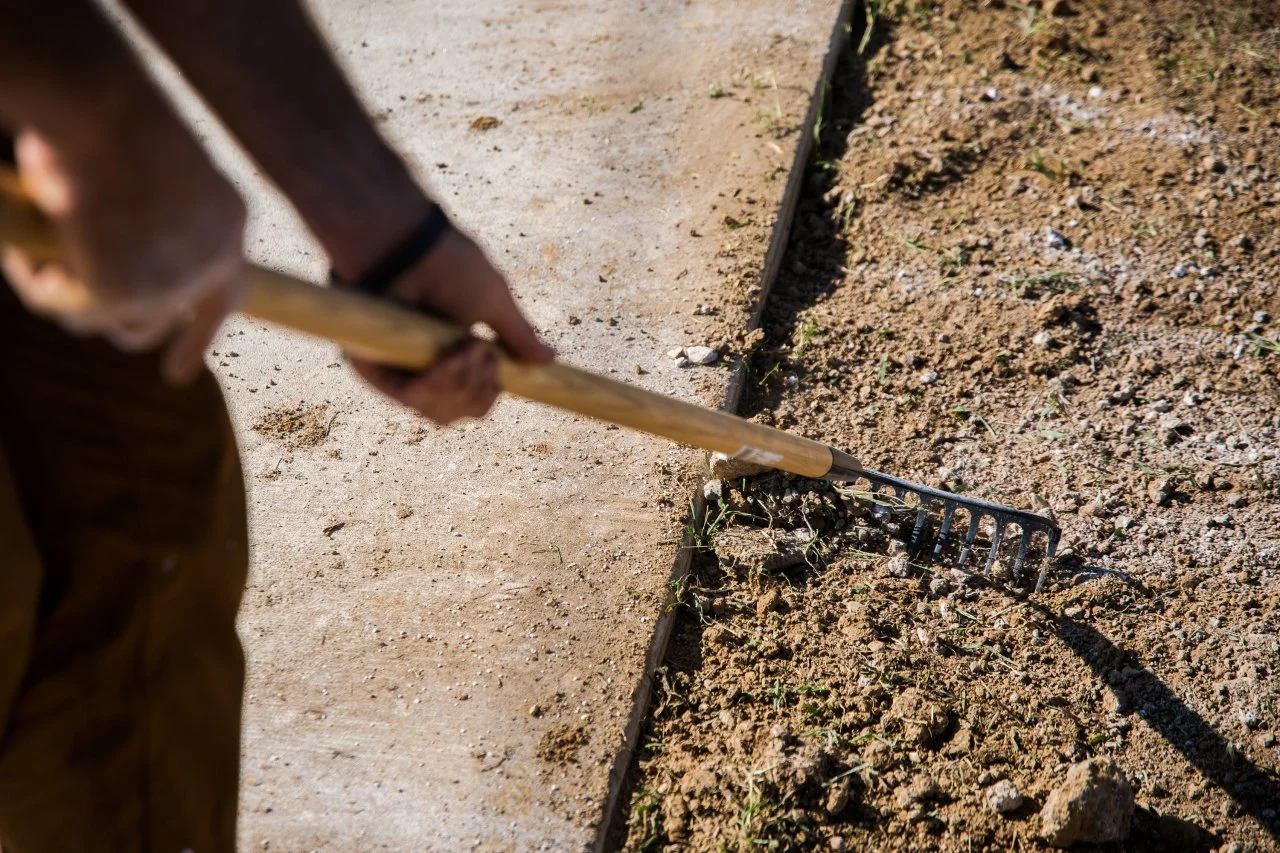
- Rake the area before seeding to agitate the soil and ensure it is free of debris.
- Follow seed provider guidelines for broadcast coverage. Too much seed can be as unproductive as under-seeding.
- Once seeding is complete, lightly rake the surface to cover the seeds.
- Keep off the lawn and allow the weather to do the hard work. The cycle of freezing and thawing throughout the winter will help the seeds set. And any snowfall will result in even soil compression, which will aid in germination.
- Hold off on the use of any herbicides until after germination has set in.
Jalynn Baker
Rake the bare area before seeding to agitate the soil and ensure it is free of debris.
During the winter, relax indoors with a little hot cocoa while you're waiting for the cold and snow to settle the seeds into the soil. Maybe give your mower a little tune-up. After dormant seeding, it's going to get a good workout on that beautiful lawn.
Shop Grass Seed


Seeding a Lawn: How to Plant Grass Seed
To reinvigorate your existing lawn or plant a new one, follow the steps below to ensure successful results.