




Why You Should Sow Wildflower Seeds This Winter


Image courtesy of High Country Gardens
Would it surprise you to hear that winter is a good time to sow wildflower seeds? Although we usually plant annual flower and vegetable seeds from spring through fall, many perennial wildflower seeds need pre-chilling, or a period of exposure to cold and moisture. These seeds can be scattered even on top of a blanket of snow.
Ideally, you’ll winter-sow your wildflower seeds over ground that you’ve already prepared, says David Salman, founder and Chief Horticulturist at High Country Gardens in Santa Fe, New Mexico. He recommends raking the ground before snow and ice arrive to remove any debris and expose the ground. “If the area is unplanted and bare soil,” he says, “use a bow rake to create shallow furrows.”
Our Favorite Wildflowers
See All Photos


“Before sowing, I like to mix my seeds with sand in a bucket to help more evenly distribute the seeds. I also mix a handful of mycorrhizal spore granules into the seed and sand mix.” He suggests using a mycorrhizal product to improve germination and seedling survival.
“After the seed/sand/mycorrhizal mix is sown,” Salman says, “turn the bow rake over the soil to smooth the shallow furrows and lightly cover the seeds with soil. A light mulch of clean wheat or barley straw will improve germination."
The seeds will eventually drop down into the snow as the temperatures rise and then fall again. That happens because the ice underneath the soil starts to melt when the mercury rises. When the weather gets cold again, the ice re-forms. As the ground alternates between thawing and freezing, it may crack or move up and down. Even if this movement is almost imperceptible, the seeds will gradually work their way through the snow and contact the ground.
Salman says that gardeners who get snow by December can start sowing them and continue into February, and should have enough snow cover for their wildflower seeds to germinate.

Of course, if you live where the winters are very mild, such as in California, Florida and south Texas, you can sow wildflower seeds outdoors at almost any time of the year, avoiding only the hottest, driest part of summer.
If you live where the winter temperatures drop to freezing or below, but you don’t get snow, you can still winter-sow your wildflower seeds. Just scatter them while you’re still getting frosts in late winter or early spring, Salman says. “After sowing, cover the seeds lightly with clean wheat or barley straw to keep them moist and hide them from the birds.” This will also help keep them from being blown away by the wind.
Salman says if you’re using a wildflower seed mix that contains non-frost hardy annuals, such as zinnias and marigolds, you’ll need to sow when the spring temperatures are reliably warm and all danger of frost has passed. On the other hand, “If your mix contains frost-hardy annuals, the annuals will wait to germinate when temperatures are right for them, even when sown in winter.”
Because there are so many different seed mixes available, be sure to look for one that is especially designed for your region. You can mix your own seeds, too; simply choose wildflowers that will thrive in the growing conditions you can provide.
Some gardeners practice a different kind of winter sowing, by planting vegetable and flower seeds in clear plastic containers during the winter, and leaving them outside to sprout. When the seedlings become big enough and are hardened off, they’re transplanted into the garden.
But, Salman says, “The whole point of (winter sowing) wildflower seed mixes is to avoid having to transplant seedlings as this is highly labor intensive. Seed is relatively inexpensive and we should sow many more seeds than will reasonably germinate. This is how nature does it; release a million seeds and get one hundred plants.”
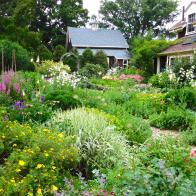
With good preparation, he adds, gardeners will increase the survival rate of their winter-sown wildflower seeds considerably and have plenty of vibrant, beautiful blossoms to enjoy by spring and summer.


