






How to Grow a Ficus Tree Indoors
Get these tips on ficus tree care and beautify your home with this lush plant.
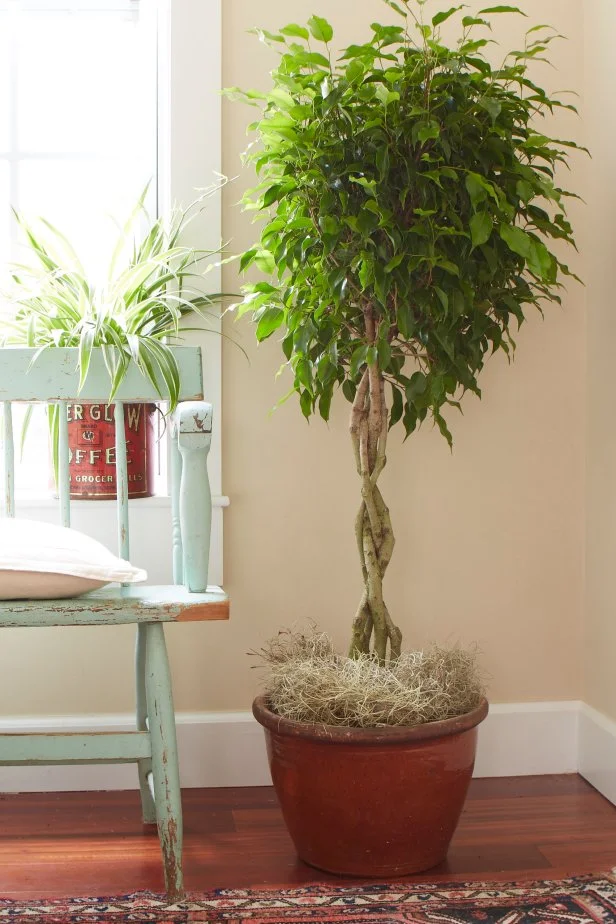
Courtesy Costa Farms
A close relative of the fig tree, ficus trees are native to tropical areas and enjoy a long history of decorative and even religious significance: The famous tree under which Buddha received enlightenment was said to be a member of the Ficus genus!

Houseplants 101: Choosing the Right Indoor Greenery 7 Photos
A ficus makes this list of 7 designer-approved houseplants. See our tips for keeping these plants lush and lovely.
While ficus trees are relatively easy to grow, they do have some special needs you'll need to look out for. Here are some things to keep in mind when considering growing a ficus tree as a houseplant.
How Much Light to Give
Ficus love bright, indirect sunlight and lots of it. Your plant will enjoy spending time outside during the summer, but protect the plant from direct sunlight unless it's been acclimated to it. During winter, keep your plant away from drafts and don't allow it to stay in a room that falls below 55-60 degrees F.
Watering
Ficus plants need consistent, but moderate watering throughout the growing season, with dry spells in the winter. Make sure soil is just moist, not dry or drenched, at all times, but cut back waterings in the winter. Your plant will likely lose leaves during the winter "dry" spell. Trailing style ficus are particularly susceptible to over- and under-watering. Misting the leaves can provide additional moisture during dry spells, with less threat of root rot. Well-draining soil is essential to keeping these plants healthy.
Repotting
Ficus plants grow quickly, and can easily become too big for your home if you re-pot frequently. Limit re-potting to every other year to help keep your plant's growth in check!
Troubleshooting
Ficus can be vulnerable to pests, such as mites and aphids, and have a tendency to drop leaves if not watered consistently. Trim your plant back regularly, keep an eye on the soil, and check leaves regularly for insects to ensure a long and healthy life!
Ficus Varieties
While there are hundreds of species in the ficus genus, just a few of them represent most grown as houseplants. In particular, decide whether you want a trailing, or tree-type ficus. With its small leaves and long, drooping branches, trailing varieties look attractive in hanging pots. Tree varieties will grow into small shrubs inside the house.
Weeping Fig
Ficus benjamina, or weeping fig, is notorious for dropping its leaves, and it's typically easy to grow — until you move it. Ficus prefers to stay put. In fact, the seemingly simple and harmless act of moving it from one corner of the room to the next, or even a few feet for that matter, may cause it to lose its leaves.
So give the plant a permanent spot in your home, ideally one that receives moderate to bright light. Water only when the soil begins to dry out. Mist often, every day if possible. Wipe the dust from the leaves once a month with a damp rag.
Like so many other tropical plants, ficus, like this variegated selection, prefers to be potbound, so repot it only when its roots occupy over three-fourths of the pot space. Repot only in spring, stepping up to a container no more than two inches in diameter larger than the previous pot.
Overwatering and drafts from heating and cooling vents and poorly insulated windows and doors may result in leaf drop. And actually, a natural gas leak can also be the cause. Ficus benjamina is like a canary in a coal mine, so if it sheds its leaves and you smell gas, call the gas company.
Those issues aside however, the ficus makes a fine houseplant and enjoys spending time outdoors from late spring to early fall. The bad news is that it tends to lose its leaves, but the good news is that they tend to quickly grow back.
Fiddle Leaf Fig
Ficus lyrata is a very popular houseplant that can grow to 6 feet or taller. Like Ficus benjamina, the three things most imporant to growing your fiddle leaf fig are location, location ... and location. This native of western Africa hates drafts, so place in a spot that's not directly in line with an exterior door, drafty window or near an air vent.
Water your fiddle leaf fig once a week or every 10 days. The number one way to kill a fiddle leaf fig is to overwater it or not allow for proper drainage. And dust the leaves every month to keep spider mites and other pests at bay.
Check this article for full fiddle leaf care tips.


