Photo: Anthony Tesselaar Plants at Tesselaar.com
1 / 44
Bring Blossoms Indoors
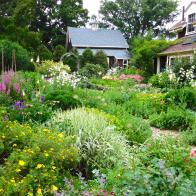
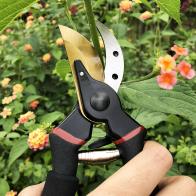
June bursts with floral finery that’s ripe for the picking. Grab your favorite snips, shears or scissors and head into the garden with a clean container of water. Cut stems at an angle, and remove all leaves that fall below the water line. Place your container in a cool place for a few hours or even overnight to allow blossoms to hydrate fully. Before arranging stems in your favorite vase, fill it with fresh water or a cut flower food solution. To keep your bouquet looking great, top off the water daily and replace it completely every couple of days.
10 Top-Notch Flower Arranging Tips
More photos after this Ad
Photo: Bailey Nurseries
2 / 44
Finish Pruning
Wrap up pruning late spring flowering shrubs, such as lilac, weigela, mock orange and deutzia, as soon as possible after blooming. Skip pruning on shrubs that will form berries later in the growing season. This list includes cotoneaster (shown), elderberries, hollies, quince and currant. Many viburnums also belong on this no-prune list, including the classic bird favorite, highbush cranberry (Viburnum trilobum).
What You Should Be Pruning in Early Summer
More photos after this Ad
Photo: Julie Martens Forney
3 / 44
Watch for Worms
Warm weather means caterpillars, from cabbage loopers on kale to tent worm nests in trees. Hand-pick caterpillars on vegetables, dropping them in soapy water or adding to a birdfeeder dish. Regular sprays with Bt (Bacillus thuringiensis) help control caterpillars, and it’s safe to use on edible crops. Simply wash them before eating.
For tent worm caterpillar nests in trees, cut down the nest and bury or stash it in a trash bag to put out with the trash. Burning isn’t necessary.
More photos after this Ad
Photo: Julie Martens Forney
4 / 44
Stake Your Veggies
By mid-month, add stakes to every plant in the vegetable garden that might need them. Tomatoes are the obvious choice, but it’s also good to give pepper plants support. Their stems tend to be brittle, and once peppers have formed, the extra weight can lead to broken branches during summer storms. If you garden in a windy spot, you might want to stake Brussels sprouts, too, since they’ll be in the ground all season long.
How to Prune and Stake Tomato Plants
More photos after this Ad
Clean the Birdbath
Cleaning the birdbath is a dirty job that needs to be done weekly. A strong blast of water (try the “jet” setting on a hose nozzle) can help remove dirty water and any algae that’s clinging to the bowl. For a deep clean, scrub the bath with a designated brush or scrubber sponge, using a mild soap like Castille. Add a splash of hydrogen peroxide to your soapy water to kill algae. Moving water from a solar fountain or dripper helps reduce algae, as does positioning your bath away from full sun.
The Value of Having a Birdbath
More photos after this Ad
Photo: Terra Organics/National Garden Bureau
6 / 44
Plant Cool-Season Crops
In northern regions or areas with cool summers, squeeze in one more crop of quick, cool-season vegetables like radish, lettuce or spinach. Get seeds in the ground as early as possible this month to savor the harvest. Remember that radishes are versatile in the kitchen, and leaves make wonderful additions to salads and sandwiches. Try roasting radishes tossed with olive oil, minced garlic and seasonings in a 425°F oven for 20 minutes. Yum!
How to Plant and Grow Radishes
More photos after this Ad
Photo: Proven Winners/www.provenwinners.com
7 / 44
Grow Gorgeous Containers
The secret to stunning container gardens is using the right soil and feeding plants. If you’ve never tried a commercial potting mix or made your own following a classic recipe (one part each compost, topsoil and peat moss or coco coir), your plants are missing out.
The other key to beautiful pots is fertilizer. Mix a slow-release fertilizer into the soil at planting time. Add more four to six weeks after planting, scratching it into the top of soil. Or you can use a water-soluble fertilizer every 10 to 14 days.
How to Plant a Beautiful, Thriving Container Garden
More photos after this Ad
Watch for Flowering Potatoes
Potato plants flower for multiple reasons, and many gardeners take it as a signal that the first tubers or new potatoes are ready to dig. Flower formation can occur as the first tubers (the part we eat) form underground, but they might also appear if the soil is super fertile or if temperatures have been wildly high or low. The bottom line is that if flowers are pollinated by insects, they’ll form small fruits containing seeds. When you plant potatoes, you want tubers, not seeds. Remove flowers as they fade so plants will direct energy to form potatoes underground.
How to Grow Potatoes and When to Harvest Them
More photos after this Ad
Photo: Julie Martens Forney
9 / 44
Save Seeds From Bolting Lettuce
Many lettuce varieties start to bolt or form flowers as summer days lengthen. More than 14 hours of sunlight daily is one trigger for bolting, as are day temperatures over 75° F with nights above 60° F. When lettuce plants shift from producing leaves to making flowers, leaves become tougher and taste bitter. If you’re growing heirloom lettuce, letting a few plants flower can give you a seed supply for future planting. Lettuce’s tiny flowers are favorites among beneficial insects like syrphid or flower flies.
More photos after this Ad
Discover Ladybug Larva
The “child” stage of a ladybug is known as a larva. It resembles a black alligator with red or yellow spots or stripes. It can be intimidating the first time you see one of these in the garden. But these little ladybug alligators are beneficial insects. To fuel their growth, they feast on pests, including aphids, adelgids, scale insects and other insect eggs. A ladybug spends about four weeks as a larva. That’s a month of free insect control in your garden.
Beneficial Insects Are Bugs We Love
More photos after this Ad
Photo: Anthony Tesselaar Plants at Tesselaar.com
11 / 44
Go Crazy for Cannas
Give your garden south-of-the-border flair with tropical canna lilies. These low-maintenance beauties explode with color from striking leaves and exotic flowers. This trio of canna lily varieties adds vivid color to any setting: Tropicanna canna (striped leaves and orange blooms), Tropicanna Gold (green and yellow striped leaves and yellow and orange flowers), and Tropicanna Black (dark leaves and red blooms). The secret to canna success? Plenty of sun teamed with lots of water.
How to Use Canna Lily in the Garden
More photos after this Ad
Photo: National Garden Bureau at ngb.org
12 / 44
Grow Flavorful Herbs
Fill a container with herbs that pull double duty at picnics — seasoning dishes while serving as the perfect picnic table centerpiece. This herb collection is sold at garden centers as “NewTwist herb-A-licious” — you can ask for it by name. The components include ‘Kasar’ basil, gold-edged sage, ‘Gorizia’ rosemary (with leaves twice the size of other varieties) and orange thyme. This herb blend provides the perfect accompaniment to grilled Italian sausages, fresh homegrown tomato slices and a rosemary-garnished gin and tonic.
35 Herb Garden Design Ideas + Growing Tips
More photos after this Ad
Photo: Julie Martens Forney
13 / 44
Welcome the Evening With Moonflowers
Moonflower vine is the after-dark cousin to morning glory. Starting at dusk, this annual vine opens stunning 6-inch-wide white blooms loaded with fragrance. On a warm summer evening, it’s pure joy to sit and watch blooms twirl open. Like morning glories, each moonflower blossom lasts a single day (night). Prior to planting, snip the edge of the seeds with a pair of sharp pruners, and then soak the seeds overnight. For a spectacular sunrise to sunset show, plant moonflower on a trellis with morning glory.
Planting and Caring for Moonflowers
More photos after this Ad
Mulch, Mulch and Mulch Some More
One of the best tools you can use in your garden is mulch. It moderates soil temperatures, slows water evaporation from the soil, shades plant roots and helps suppress weeds. Early summer isn’t too late to add mulch to your garden. In fact, it’s never too late. How thick should mulch be? When using shredded bark, a 2-inch-thick layer will do the trick in most areas. In warmest zones where mulch decomposes quickly, a 3-inch layer is helpful.
More photos after this Ad
Photo: Gardener's Supply Co. at Gardeners.com
15 / 44
Inspect Irrigation
Check all drip irrigation and hose connections for leaks and breaks. Don’t forget to double-check drip irrigation in containers to make sure the entire container is receiving water. Also keep an eye on sprinkler heads through the season, redirecting as needed. Always take time to replace any damaged or malfunctioning heads. Don’t forget to replace washers in hose ends to help reduce leaking. Before leaving town for vacation, run all water timers to make sure they’re working properly.
More photos after this Ad
Photo: Ball Horticultural Company
16 / 44
Try Succession Planting
The way that market farmers keep crops coming is by succession planting. That might mean sowing a few seeds of one crop every 10 days, which works great with plants like green beans, corn, carrots or sunflowers. Succession planting also refers to the practice of completely harvesting a crop, maybe something like onions or garlic, and replacing it with another crop that matures in the timeframe left in the growing season, such as green beans, summer squash or lettuce.
More photos after this Ad
Photo: Photo by Lynn Coulter
17 / 44
Pull Weeds, Constantly
Staying on top of weeds early in the summer means you’ll have fewer to deal with as late summer rolls around. Small weeds are easier to pull, but if your weed issue is overwhelming, start with ones that are setting seed. That helps reduce next year’s weed issues. If you have a particular problem weed, figure out what it is and research how best to control it. Sometimes a weed that resembles grass might need a specific type of chemical for effective kill. An example is nutgrass or sedge.
More photos after this Ad
Photo: Julie Martens Forney
18 / 44
Plant for Butterflies
If you want to see butterflies in your garden, plant butterfly weed (Asclepias). This cheery, low-maintenance perennial adds a brilliant spot of orange to borders starting in early summer. You’ll also likely see monarch butterflies visiting your plant because this is one of their host plants, a plant these butterflies lay eggs on. Those eggs hatch into gold, white and black striped caterpillars that happily chow down on butterfly weed before turning into monarch butterflies.
How to Create a Butterfly Garden
More photos after this Ad
Photo: Julie Martens Forney
19 / 44
Deal With Japanese Beetles
Japanese beetles love all the tender new leaves and lush petals in a June garden. One of the easiest ways to deal with these munching machines is to knock the beetles into a container of soapy water. Wear gloves if you don’t want to touch the hard-shelled beetles. Avoid putting traps out, or you may beckon all the beetles in the neighborhood to your yard.
How to Get Rid of Japanese Beetles
More photos after this Ad
Photo: Daniel Kaesler
20 / 44
Raise the Mower
Keep summer lawns taller to help shade soil, which reduces water evaporation and helps crowd out weeds. Taller grass also has deeper roots, which yields greater drought tolerance. Learn what kind of turf you have, and check with your local extension office to determine the proper mowing height.
Mow cool-season grasses, including bluegrass, fescue, ryegrass and wheatgrass, to a height of 2-1/2 to 3 inches. Warm-season grasses are usually mowed to a height of 1 to 2 inches. This includes bahiagrass, centipede and St. Augustine. Zoysia and bermudagrass are kept shorter (1/2"). Time your mowing to remove just one-third of the total grass blade length.
Don't Let the Weeds Win, Learn the Right Way to Mow
More photos after this Ad
Photo: Julie Martens Forney
21 / 44
Watch for Deer Damage
If something is eating your hostas, tomatoes, squash vine, roses, sunflowers or whatever, here’s how to tell if it’s deer. These four-legged pests lack top front teeth, so when they bite, they actually jerk their heads up to tear off a piece of plant. This leaves a jagged, torn edge. Torn leaf edges and torn stems are tell-tale signs of deer feasting.
Rabbits, on the other hand, have upper and lower front teeth, which is why their eating creates clean-cut edges like someone took a pair of scissors and snipped a stem. Repellents applied regularly can help deter deer. Try Bobbex, Plantskydd or Deer Defeat.
30 Deer-Resistant Plants
More photos after this Ad
Clean Outdoor Furniture
If summer is just starting in your neck of the woods, set aside a nice day to clean and set up your outdoor furniture. Wash it according to manufacturer instructions and let it fully dry before adding outdoor cushions. For a too-sunny deck or patio, a cantilever umbrella is all you need to create a shady oasis. Add a durable outdoor rug to keep sun-bathed surfaces cool enough for bare feet all summer long.
105 Best Patio Furniture Buys for Every Style and Budget
More photos after this Ad
Photo: ProvenWinners.com
23 / 44
Replace Spent Annuals
It’s time to refresh cool-season container gardens with annuals that thrive when the mercury climbs. Good choices include lantana, verbena, gomphrena, petunia, million bells, marigold, angelonia — there are so many amazing choices in an absolute crayon box worth of colors. This pot sizzles with the bold hues of Luscious Berry Blend lantana, which offers shades of pink, peach and gold, along with the neon blooms of Supertunia Vista Fuchsia petunia.
Easy Annual Plants That Bloom All Summer Long
More photos after this Ad
Photo: Visit Denver
24 / 44
Tour Public Gardens
Give yourself a break from tending to your own garden to go visit some beautiful landscapes in your region. Botanic gardens are great for education but also look to local landscapes maintained by master gardeners, horticulture teams at universities or garden clubs. Historic gardens are terrific places to find inspiration, as are local garden tours. Look up if the All-America Selections program has a display garden in your area. It’s a great way to discover plants that perform well in your region.
More photos after this Ad
Beat Mosquitoes
Make every effort to keep mosquitoes at bay in your outdoor living spaces. Use citronella candles, herbs that help repel them and well-placed bug zappers. Put up houses for tree swallows or bats. These aerodynamic animals are fun to watch and consume oodles of these biting bugs. Avoid any standing water, and add fountain heads to ponds. Make sure gutters aren’t clogged, and dump anything that catches and holds rainfall. Consider installing a small, quiet, outdoor fan (specially made for gardens) to keep air moving. Mosquitoes hate even a slight breeze.
How to Make Citronella Candles
More photos after this Ad
Photo: Shutterstock/Zoya El
26 / 44
Water Citrus Trees
When citrus plants don’t get enough water in June, it leads to cracking rinds on fruit in fall. To avoid this problem, water deeply but infrequently through summer. Soak soil just past the tree canopy, where feeder roots are located. The typical recommended irrigation schedule is for trees in the ground for more than three years, water every 10-14 days, soaking soil 3 feet deep. For trees planted two years, water every seven to 10 days, soaking soil 2 to 2-1/2 feet deep. For trees in the ground one year or less, water every five to seven days, soaking soil 1-1/2 to 2-1/2 feet deep. Adapt this schedule based on your garden’s microclimate.
More photos after this Ad
Focus on Fire Resistant Landscaping
If you live where wildfires are a possibility, revisit your landscape with an eye to design what’s known as a defensible space zone. This is an area that creates vegetative clearance around your home, reducing combustible materials that can give fire access points to the house.
Near your home, focus on native species. Maintain plants well by pruning regularly to remove dead growth, mowing or trimming branches that overhang your roofline. Choose gravel mulch, ground covers or a flagstone patio — materials that can help redirect flames. Learn more about fire-wise landscaping.
More photos after this Ad
Don't Delay Harvesting
As tomatoes and peppers ripen, pick fruits as soon as they’re ready. If you leave them too long on plants, you’re more likely to see bugs, slugs and four-legged critters damage your harvest. In warmer regions, tomato and pepper plants will shut down as summer heat builds. That’s your signal to sow new seeds for plants you can set out in July for a fall harvest.
16 Favorite Sweet Peppers to Grow
More photos after this Ad
Kill Poison Ivy
Stay on top of any poison ivy you find in your yard. If plants are small, pull them by covering your hand and arm with a plastic bag that you turn inside-out over the plant once you pull it. If you have poison sprouting along fence lines, you might need to break out an herbicide like Roundup to kill the plants en masse. Never burn poison ivy, or you risk inhaling smoke laden with the poisonous oil. If you do get the oil on your body, wash it as soon as possible with soap and water.
How to Kill Poison Ivy
More photos after this Ad
Bring on the Berries
June kicks off berry season in much of the country, with strawberries headlining the hit parade. Strawberries are easy to grow and worth the effort. The right time to plant is spring, but you can use summer and fall to begin preparing your growing area and building a raised bed. The trickiest part of growing strawberries is keeping birds and chipmunks from devouring your harvest. Spend summer figuring out that part of the puzzle while you savor some fresh-picked strawberries from your local u-pick farm or farmers’ market.
How to Store Fresh Strawberries
More photos after this Ad
Photo: Williams-Sonoma.com
31 / 44
Build a Compost Pile
In warmer regions, compost will be cooked and ready to use this month. Before it gets too hot, plan to dig out your compost bin. If tree roots grow into your compost (trees love fresh compost), clip and remove any visible roots as you empty the bin. Before starting a new pile, create a barrier to stop tree roots from invading. Some gardeners lay down plastic sheeting, such as an old shower curtain. Or you could just build a 4- to 5-inch-thick base of branches that create airflow beneath the pile. That air pocket should keep tree roots from growing up into the compost.
25 Things You Can Compost (Some May Surprise You!)
More photos after this Ad
Photo: Julie Martens Forney
32 / 44
Remove Spent Flowers
Walk through your garden at least twice a week with a pair of clippers and bucket, cutting off faded or dead blooms. This process is called “deadheading,” and it’s one of the secrets to a garden packed with flower power. Deadheading encourages many plants to form more flower buds and helps prevent dying petals from harboring insects or disease. Of course, if you want certain plants to set seed for saving or beckoning birds, don’t deadhead those.
How to Deadhead Flowers: Tips and Tricks
More photos after this Ad
Photo: Tomas Espinoza
33 / 44
Plant Palms
When soil temperature is above 75°F, it’s a perfect time for planting palm trees. For palms, dig a planting hole twice as wide but just as deep as the rootball. A root stimulator watered into soil after planting encourages rapid rooting. Use twine to tie fronds up over the growing bud to protect it during transplanting. When you see new growth emerging from the bud, snip the twine.
Don’t forget that established palm trees can be fertilized now. Use a blend designed specifically for palms. It should contain iron, manganese, magnesium, sulfur and potassium.
13 Cold-Hardy Palm Trees
More photos after this Ad
Clean the Fire Pit
Get ready for cozy summer evenings spent by the fire by cleaning up your fire pit. Remove any ashes and other debris the seasons may have dumped there. Check out your cooking supplies, clean what you can and replace any that need it. Lay in a supply of kindling and firewood. If you have fruit trees, always save your winter prunings for fire pit use.
60 Gorgeous Fire Pit Ideas and DIYs
More photos after this Ad
Photo: photo by felder rushing
35 / 44
Choose Heat-Proof Plants
When landscaping in the hottest regions, it pays to invest in plants that shrug off summer sizzle. Good choices for heat-proof good looks include baja red fairy duster (Calliandra californica, shown), Texas sage (Leucophyllum), palo verde tree (Parkinsonia) and Summertime Blue emu (Erimophila ‘Summertime Blue’).
Another good plant choice is pomegranate, which brings beauty and delicious fruit to your garden. Some pomegranate varieties thrive on as little as 14 inches of annual rainfall but yield more fruit with regular watering.
More photos after this Ad
Photo: Shutterstock/Tony Baggett
36 / 44
Treat for Slugs
In Zones 6 and cooler, slug damage to hostas often starts in earnest by late June. Mark your calendar to start slug treatments by mid-month to deal with these slimy marauders before they ruin your garden scenery. Slug pellets containing iron phosphate are a popular deterrent, as is copper wire or eggshells. However, research reports that most of these materials don’t provide effective control. Yeast or beer-based slug traps work, as does the old-fashioned method of laying a board in the hosta bed and cleaning off the underside each morning by scraping the slugs into a bucket of soapy water. Also, remove dead leaves beneath your hosta to eliminate slug hiding places.
How to Plant, Grow and Care for Hostas
More photos after this Ad
Photo: All-America Selections at All-AmericaSelections.org
37 / 44
Plant Warm-Season Veggies
By the end of June, even cold region gardeners can plant warm-season crops like watermelon, tomatoes, peppers, corn, cucumbers, beans and sweet potatoes. Get crops into the ground as soon as the weather permits and the soil warms. Summer squash, including zucchini and patty pan, and winter squashes, such as pumpkin, butternut and acorn, should also be in the ground.
How to Plant and Grow Watermelon
More photos after this Ad
Photo: Julie Martens Forney
38 / 44
Prune Perennials
Use this month as an opportunity to control plant height on tall, flop-prone perennials that flower later in summer and fall. The list includes joe-pye weed (shown), tall sedums, ‘Herbstonne’ rudbeckia, asters and monkshood. When pruning, reduce stem length by the amount you’d like to shorten overall height. Usually removing up to one-third of the current stem length is sufficient. Pruning results in later flowering and more blooms, as stems will branch where you place cuts.
More photos after this Ad
Photo: Washington Apple Commission at bestapples.com
39 / 44
Thin Apples
Apple trees experience what’s known as “June drop,” when the tree naturally sheds excess fruit. It occurs in May in some regions but is still called June drop. Citrus and stone fruit trees like plums also experience this phenomenon. With apples, after the June drop occurs, it’s time to thin the remaining fruit clusters. The rule of thumb is to thin triple clusters to doubles, and doubles to singles. Don’t thin apples if your tree bears in alternate years and this is the light-bearing year.
More photos after this Ad
Photo: Julie Martens Forney
40 / 44
Watch for Fungus
Humid summer days and sultry nights lead to rampant outbreaks of fungus in the garden. A common fungus is powdery mildew. It makes garden plants unsightly and limits a plant’s ability to nourish itself and flower or produce fruit. Plants like bee balm (shown), roses, squash and cosmos are often infected with powdery mildew. To treat it, spray plants with a homebrew fungicide — you can find many recipes online. A favorite is 1 tablespoon baking soda and 2-1/2 tablespoons of horticultural oil in 1 gallon of water. Spray plants weekly to protect new growth.
More photos after this Ad
Photo: Photo Credit: Mary Palmer Dargan
41 / 44
Consider a Rain Garden
With the right design, a rain garden makes a beautiful addition to a landscape. Many municipalities are taxing homeowners for storm runoff from their properties, so it might be time to think about installing a rain garden. This rain garden collects stormwater and encourages a gentle seeping of overflow onto the mountain surrounding the property. The stone border around the landscaped bed is lowered to grass level to allow lawn run-off to enter the rain garden.
How to Create a Rain Garden in Your Yard
More photos after this Ad
Photo: Lilypons Water Gardens
42 / 44
Set Out Water Lilies
You can safely add water lilies to your pond when the water temperature is above 70°F. Water lilies need full sun to bloom best. It’s also important not to have them near waterfalls or fountains, where their leaves are constantly splashed. Gently moving water is okay, and a fountain is actually good for helping to reduce water temperature. Kick-start growth by adding fertilizer tablets to your lily containers. Continue to feed plants through the summer according to the fertilizer label instructions.
More photos after this Ad
Harvest Regularly
Keep up with harvest in the garden, whether it’s ripe tomatoes, avocadoes or fresh herbs. Once plants start bearing, check the garden daily, if possible, or at least every other day to gather whatever is ready. If you have too much of a good thing for your family, share the produce with neighbors or a community food pantry. In some towns, community gardens place produce on a public stand or in a communal fridge. That’s another great place to share your own homegrown extra.
More photos after this Ad
Photo: Laurey Glenn
44 / 44
Prep the Grill
If you’re not a year-round griller, it’s time to clean and prep the grill. Heat the grates before scrubbing them with a wire brush. If your brush head is worn in spots, replace it. Allow grates to cool before soaking them in soapy water and cleaning them with a scrubber sponge. Don’t forget to degrease the cooking areas and hood. Refill the propane tank, and make plans for a cookout.
How to Deep Clean Your Grill and Grates