

How to Prune and Stake Tomato Plants
Find the best practices for pruning and staking tomato plants. Plus learn the difference between determinate and indeterminate tomatoes.
A great crop of tasty tomatoes starts long before the spade hits the soil. First, you need to know what size your tomato plant will reach at maturity, and plan accordingly. Then, get to staking, supporting and snipping so you can help keep tomatoes in tip-top shape.

NinaMalyna / Shutterstock.com
Pinch off suckers and support plants with stakes for better health and productivity.
Determinate vs. Indeterminate Tomatoes
When choosing seeds to start or plants to purchase, first look at the type of tomato. The packet or label will describe the growth habit as determinate (or bush), or indeterminate (vining).
- If you are limited on space or growing in containers, plant a determinate variety that will grow smaller in stature and flower all at once. Determinate tomatoes such as ‘Roma’ are also a great choice for canners, as the flush of fruits matures at one convenient harvesting time.
- Indeterminate varieties are known as vining types because the tomato vines will continue to grow, flower and fruit as the season goes on. They wander and leap as they put out more and more tomatoes. These will need strong, large cages or trellis systems above five feet, as they can grow between 6-10 feet tall.

Short-Season Tomato Varieties 11 Photos
Live in a cool climate or have a short growing season? Try these tasty, super-productive, early-maturing tomatoes.
For gardeners with limited space, don’t give up — grow up! A potted cherry tomato can easily be supported on an apartment balcony railing with soft supporting ties. Or consider tiny trailing varieties growing down from hanging baskets.
Tomato Planting Tips
A key step in giving great support is to plant the stems deeply — burying at least one-half or two-thirds of the plant underneath the soil line. This ensures a healthy, stocky stem on a heavily rooted plant.
How to Stake Tomatoes
Most tomatoes, whether bush or vining, benefit from staking to keep the main stem upright. With any luck, they'll be covered with heavy fruit, and you'll be glad you took precautions to avoid broken stems and broken hearts.
For plants growing four feet or less, simply insert a or 36-48" bamboo cane or wooden stake ten inches into the soil, just outside the diameter of the rootball. Do this when you plant the tomato because it's easier when it is young and you're less likely to damage the roots. When the plant reaches 12" in height, loosely tie the stem to the supporting stake using natural, degradable twine or upcycled strips of fabric or twine. As it grows, repeat ties every 8-12" for best results.

Photo by Angela West
An easy way to stake a tomato plant, especially the vine-like indeterminate varieties, is a teepee. Simply assembled with three bamboo stakes gathered near the top with wire or raffia to form a tripod. The open apparatus also allows airflow through the plant, which helps prevent problems with powdery mildew and fungus.
Buy or Make a Tomato Cage
For plants growing four feet or larger, support them with a sturdy cage or trellis. Tomato cages are inexpensive and readily available. Or you can make your own using rolls of livestock fencing or concrete reinforcing wire cut into six-foot lengths, bending the cut wires together to securely fasten the cylindrical shape. Place the cage over the young tomato plant, securing it with two wooden stakes driven into the soil and tied to the cage.
Stake Tomatoes in Florida Weave Rows
For row crops, consider a method using twine and posts nicknamed the "Florida Weave," popular for its ease of installation and adaptability.
- Drive a 4-5' stake between every other plant in a row, then tightly tie twine to the first stake about 12" from the soil line.
- Run the length of twine in between the two plants, then around the second stake in a figure-eight pattern.
- Tie off the twine when returning to the first stake so that there is good tension for supporting the plants.
- As the plants grow, add twine at 12 -18" intervals up the stakes.
- Tuck in wayward stems to keep them tidily within the twine.
No matter your method, the key is keeping the branches off the ground and upright, supporting the weight of the fruit.

Companion Planting for Tomatoes
Learn what companion plants to grow alongside your tomatoes to improve their health and boost your harvest.
Pruning Tomato Plants
Another key step in tomato TLC begins with a few snips. Here's how to prune tomato plants
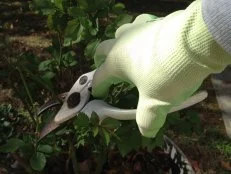
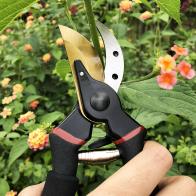
- Remove branches or foliage from the main stem below the first flower cluster. This is usually the first 10" above the soil and is good maintenance for clean, healthy foliage. Soil splashing onto the leaves can quickly transfer deadly diseases and fungus. Keep your garden shears clean, dipping in a weak Lysol solution as you work from plant to plant.
- As your plant grows, it's also a good idea to remove suckers — those vigorous stems sprouting in between a "V" of the stem and side branch. This will keep the plant open and airy, allowing better air circulation and focusing the plant’s energy on key growth areas.
- Lastly, for clean garden space and to prevent the spread of fungus or diseases, prune foliage that shows signs of potential issues. Snip leaves that show brown or yellow discoloration and then clean your pruner's blades in a mild Lysol solution between each cut. The idea is to stave off the spreading of disease. Dispose of these affected leaves in a plastic garbage bag in your household trash — not the compost pile.
Simply planning ahead to create the right environment for a bush or vining tomato — and a few key snips early in the planting stage — will set it up for success and a bumper crop.


Why Are My Tomato Leaves Turning Yellow?
Tomato leaf discoloration can be caused by several factors, including nutrient deficiencies, plant diseases and cultural problems. We’ll help you narrow down the cause of yellowing leaves on your tomato plants and find solutions to help.