




These Butterfly Garden Design Plans Can Transform Any Size Space in Five Easy Steps
Make your yard a butterfly haven with these foolproof tips.

Getty Images/Vinod Kumar
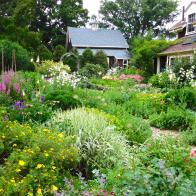
Most butterflies can’t resist blossoms in shades of pink, red, purple, and yellow.
No matter what size yard you have, butterfly garden design plans can fit with little effort. Even a container can host small butterfly garden design plans.
Watching butterflies bask in the sun or flit from flower to flower has to be one of the great pleasures of gardening. Follow these steps to lay out butterfly garden design plans that suit your space, and you’ll be rewarded with fluttering color — plus lots of flowers.
Step 1: Select a Sunny Site
Choose a sunny spot for your butterfly garden design plans. The flowers that butterflies typically feast on thrive in a full or part-sun location.
Also consider providing shelter for your butterfly garden. A variety of broad-leafed trees and shrubs offers adequate cover from wind, rain and predators. If you can't find a protected spot, plant a windbreak of mid-sized cultivars of dense conifers like spruce, juniper or cypress. But even a single shrub can offer sufficient protection for butterflies.
Step 2: Invite Butterflies to Sunbathe
As cold-blooded insects, butterflies seek spots to bask in the sun and warm their wings for flight. When creating the layout for butterfly garden design plans, make sure to put a few perches out of the wind. Chances are, you'll also see butterflies resting on a sunny rock or on top of a fence post.
Step 3: Provide Water
Create a butterfly puddle. Put a mixture of sand and soil in a plant saucer or shallow bowl. Add enough water to saturate the mixture thoroughly, but not so much that there's standing water. Butterflies like to rest on wet sand or soil and absorb moisture and minerals from it. If the "drinking station" dries out too fast in your climate, sink a bucket filled with a wet mixture of soil and sand into the ground.
Surround your puddle with a ring of flat stones that can absorb sunlight and provide a place for butterflies to sun. Try to site your stones where they’ll absorb morning sunlight.
Step 4: Add Plants that Attract Butterflies
Choose a wide range of flowering plants that differ in color, type of flower and bloom time to welcome multiple butterfly species and give them plenty of options.
Butterflies feed on tubular flowers and they especially love those with "landing strips." Yarrow, stonecrop, coneflower, verbena, phlox, butterfly bush, butterfly weed (Asclepias), bee balm, cardinal flower (Lobelia), coreopsis, black-eyed Susan, Joe Pye weed, and various asters and sedums can keep your garden in butterfly blooms throughout the season.
Include Annuals
Plan your garden to have non-stop color to keep the butterflies coming. Most butterfly garden designs incorporate quite a few annuals to help achieve a steady flower show. Good annual candidates for a butterfly garden include creeping zinnia (Sanvitalia procumbens), marigold (Tagetes spp.), mealycup sage (Salvia farinacea), Mexican sunflower (Tithonia rotundifolia) and pentas (Pentas lanceolata).
Arrange bloomers in drifts so that near-sighted butterflies can easily spot the large swaths of color. Focus on flowers that feature bright tones in your butterfly garden design. Most butterflies can't resist blossoms in shades of pink, red, purple and yellow. These winged wonders also have a strong sense of smell and are lured by fragrant flowers.

26 Butterfly Garden Flowers 26 Photos
These vibrant flowers and plants provide nectar for butterflies and create a bold border for your yard.
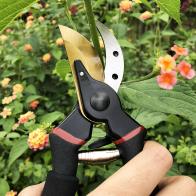
Remove spent blossoms in your butterfly garden faithfully to coax more flower buds to form.

The fast-growing butterfy bush are easy-care plants that grow up to 12 feet tall. Butterflies find them irresistible.
Remember the Babies
The best butterfly garden design plans welcome not only spotlight-stealing adults with their colorful wings, but also encourage their humble beginnings: caterpillars. By including plants that nourish adult butterflies along with their caterpillar precursors, your butterfly garden design plans can create a place where nature rules.
Depending on the species, butterflies need particular host plants for laying eggs. You may think of plants like milkweed, wild mustard and nettles as weeds, but for some butterfly species, that's food for the young caterpillars.
Caterpillars feed on specific plants, so do some research to stock your garden with plants that caterpillars native to your region find tasty. The one thing caterpillars consistently do is munch, munch, munch. It’s a good idea to tuck plants destined to satisfy voracious caterpillar appetites into a less visible portion of your butterfly garden design. Place this section where you can easily visit and observe caterpillars, but not front and center where chewed — and even missing — leaves will detract from the garden’s beauty.
Step 5: Avoid Pesticides
Treat your butterfly garden like the miniature ecosystem that it is, banning the use of insecticides and herbicides. With a diversity of plant material, you're not likely to attract large numbers of plant pests, and you'll also be protecting natural predators.


