
Next Up

January Gardening To-Do List

Even in the doldrums of winter, there are garden tasks to tackle. Find out what chores you can do now to keep your garden growing and get ready for spring.

Price and stock could change after publish date, and we may make money off these affiliate links. Learn more.
Photo: EQRoy
Scroll For More Photos
1 / 25

Order Seeds for Spring + Summer

Order seeds for the new year around New Year's Day, if not before, especially for spring crops like radishes, peas and lettuce. Everyone else has the same idea and there's only so much seed to go around, so it's best to be an early bird. Go ahead and order for summer, too, and take this slow time to think about your garden goals and make a plan.

Where to Buy Seeds Online

More photos after this Ad

Photo: Tomas Espinoza
2 / 25

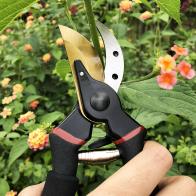
Maintain Garden Tools

Spring is the busiest time for gardening, so that makes winter the perfect time to get your garden tools in shape. Hand tools should be cleaned and sharpened. Remove rust and treat handles and blades with a protective coating. Power tools like mowers, weed trimmers and blowers should also be cleaned, motors tuned up, blades sharpened, etc. For battery-powered tools, make sure to store the batteries indoors. Extreme cold temperatures can considerably shorten the battery life.

How to Clean + Store Garden Tools

More photos after this Ad

Photo: Derek Trimble
3 / 25

Host a Seed Swap Party

Before the growing season starts, gather your gardener friends to share seeds and seedlings that can be started indoors. Ask your guests to share self-gathered seeds as well as commercial seeds from last year that they may not have been able to plant. (Many of us with big garden aspirations buy more seeds than we have room for.) If they don't have any seeds on hand, there are no rules against going out and buying some new seeds to share.

How to Host a Seed Swap Party

More photos after this Ad

Photo: ThamKC
4 / 25

Test Seeds for Viability

If you’ve got seeds from previous growing seasons, you can test them to see if they’re still good. To test seeds, space several out on a few layers of moist paper towels, roll it up so that the seeds don't touch, and enclose the bundle in plastic wrap so it doesn't dry out. Place in a warm bright location (65 to 70 degrees is fine) but away from direct sun. Check the seeds every couple of days. If they haven't germinated — or only a few have sprouted — in a couple of weeks, chances are they're no good.

Do Seeds Have Expiration Dates?

More photos after this Ad

Photo: Debbie Wolfe
5 / 25

Start Seeds Indoors

Starting seeds indoors in winter helps you get a jump on your spring and summer gardening goals. Seed starting may also save you money in the long run, and, no matter your age, it’s a great way to learn about how plants grow.

How to Start Seeds Indoors

More photos after this Ad

Photo: Nicky Rhodes
6 / 25

Add a Layer of Mulch to Garden Beds

If you didn't get a chance to lay down fresh mulch in the fall, do it now. Top dress your garden beds with compost or composted manure. Having a new layer of mulch in the winter has many benefits, including insulating plant roots, retaining soil moisture, suppressing weed growth and protecting bare soil from erosion.

More photos after this Ad

7 / 25

Fill Bird Feeders

During the winter, birds need our help the most since they spend nearly all their time and energy seeking food, shelter and water. Plus, keeping the birdfeeders full means you can enjoy these feathered beauties out your window on gloomy winter days.

Our Favorite Bird Feeders

More photos after this Ad

Photo: Brian Patrick Flynn, Flynnsideout.com
8 / 25

Clean Bird Feeders + Birdbaths

To protect birds in your area, no matter the season, bird feeders and birdbaths need to be cleaned regularly to help prevent diseases. According to The National Wildlife Health Center, you should clean bird baths and feeders every two weeks with a solution of nine parts water to one part bleach. If there is visible debris, scrub it off before soaking in the bleach solution. Dry out the feeder before hanging it back up and refilling it.

More photos after this Ad

Photo: SHAIN RIEVLEY
9 / 25

Grow Vegetables Indoors

Don’t let winter hold you back from growing fresh vegetables and herbs. Root vegetables like carrots, beets and radishes, as well as greens like spinach, Swiss chard and lettuces, can all be grown indoors. Growing fresh herbs such as parsley, cilantro, oregano, mint and thyme can help elevate your cooking and add some charm to your kitchen decor.

More on Indoor Gardening

More photos after this Ad

Photo: Tomas Espinoza
10 / 25

Grow Mushrooms

Mushrooms can be grown indoors in a combination storage tote and spackle bucket or you can buy a growing kit. Either way you choose, growing mushrooms doesn't take up a lot of space, and they don’t need a lot of sunlight. Mushroom growing kits start around $20 and, considering what you can pay at the supermarket for fresh mushrooms, it's not a bad deal at all. Plus, the mushroom growing kits are a great project to get kids interested in gardening. The spackle-bucket growing method takes a bit more labor than the store-bought kits, but still, it's a rewarding and tasty winter project.

How to Grow Mushrooms Indoors

More photos after this Ad

Photo: Courtesy of Colorblends.com
11 / 25

Cut Back Amaryllis

Did you get an amaryllis for Christmas? If you want to keep the bulb as a houseplant after the flowers fade, snip flower stalks at the base after the blossoms fade. Feed plants with a liquid houseplant fertilizer to encourage and nourish leaf production. Healthy leaves in spring and summer are the secret to a pretty flower display the next fall or winter. You can keep amaryllis bulbs indoors year-round or set them outdoors in spring after all danger of frost is past. Water and fertilize plants through summer.

How to Grow + Care For Amaryllis

More photos after this Ad

12 / 25

Keep Your Poinsettia Happy

Poinsettias are ubiquitous in December, but what do you do with them in January? Keep them as houseplants. Poinsettias are a tropical plant so you can’t put it outside until the spring when nighttime temperatures are above 55 degrees F. Keep poinsettias in a sunny window away from cold drafts and water when they feel dry. Plan on moving poinsettias outside after the last frost in your area — they’ll make a nice addition to your summer porch or patio. You’ll need to cut it back to encourage new growth, then next fall move them back inside and read up on how to get them to turn red again.

More on Poinsettia Care

More photos after this Ad

Photo: Pixel-Shot
13 / 25

Force Branches

Cut branches from shrubs like tulip magnolia, quince, forsythia and pussy willow and force them to bloom indoors. It's a great way to brighten a space after the holiday decor has been put away. Did you know that pussy willows, whether from a backyard shrub or fresh from the store, are remarkably easy to root? Place them in water and they'll quickly develop roots that you can plant in your garden, then watch them turn into tall, productive pussy willow trees.

How to Grow Pussy Willows

More photos after this Ad

14 / 25

Resist Cutting Back Ornamental Grasses

If you grow ornamental grasses, resist the temptation to cut the foliage back until later in the winter or early spring because all that top growth helps insulate the root ball. That's especially true if the grass is only marginally hardy in your area.

Tall Grasses You Should Grow

More photos after this Ad

Photo: Alice_Lya
15 / 25

Clean Out and Store Pots

If you haven't done so already, put your pots away! Deep freezes don't just affect plants, they can wreak havoc on containers, flowerpots and other features in your garden. Freeze and thaw cycles can crack even the hardiest containers, so empty out the soil and then move them to a shed or garage. Even better, scrub the pots clean with a solution of one part bleach to nine parts water before you tuck them away for the winter. If the containers are too big to move, cover them instead with heavy plastic or bubble wrap.

More photos after this Ad

Photo: Irina Fischer / Shutterstock.com
16 / 25

Layout Your Spring Veggie Garden

It's not too early to start thinking about your vegetable and herb garden plan for spring. Make sure to rotate your vegetable plant families to protect them from disease and pests, and to help the soil’s fertility.

Vegetable Garden Design Ideas

More photos after this Ad

Photo: Johnson Giles, Loch & Key Productions
17 / 25

Dormant Seed Bare Spots in the Lawn

Dormant seeding is the practice of sowing grass seed in the winter months when the seeds are inactive. If your scraggly, patchy lawn could use some attention and you live in an area where winters are consistently cold and snowy, seeding in January is a way to get a head start on growing a lush, green lawn in spring.

How to Sow Grass Seed in Winter

More photos after this Ad

18 / 25

Build a Cold Frame

Get an early start on spring planting or extend your gardening season with this DIY cold frame. A type of “mini-greenhouse,” a cold frame built with a glass or plastic lid allows plants access to sunlight and traps heat to prevent cold weather from putting an early end to your winter-hardy crops or when it comes time to harden off your spring seedlings. Follow these simple steps to construct a cold frame using just a few tools, lumber and a reclaimed window frame.

Get the How-To

More photos after this Ad

Photo: Felder Rushing
19 / 25

Order Potatoes Now

Start searching now to find a source of purple and other unusual potatoes for planting in the spring. The most fun ones typically sell out early.

How to Grow Potatoes

More photos after this Ad

Photo: Beekeepx
20 / 25

Cover Your Compost Pile, Maybe

If you search online, you’ll find strong opinions for and against using a cover. But whether or not you should cover your compost depends on your goals, your region and what kind of composting system you’re using. For instance, if you live in an area with very rainy winters, covering it during heavy downpours will prevent your compost from getting waterlogged, which will put a halt to decomposition. Gardeners in heavy-winter climates may also cover their compost pile to keep it warm and active. If you’re not sure whether or not to cover your compost, ask your local extension agent. They should have the answers to what’s right for your situation.

More on Covering a Compost Pile

More photos after this Ad

Photo: Laura James
21 / 25

Try Hydroponic Gardening

Indoor hydroponic kits have grown in popularity since they first hit the market a few years ago, and for good reason. They’re easy to use, come in a variety of sizes and are a really fun way to garden, especially in winter. Hydroponic kits are great for beginner gardeners or for introducing kids to gardening.

Hydroponic Garden Review

More photos after this Ad

Photo: Felder Rushing
22 / 25

Keep Weeding, But You May Want to Leave Some

Not all weeds take a break during the winter. Many sprout in the fall then set seed and grow in the colder months. Deadnettle, chickweed and bittercress are a few of the weeds you’ll see thriving in chilly temps. If manually digging out weeds, be sure to dig deep and get all their roots and runners and be careful not to shake or disturb the weed too much; it may cause you to inadvertently spread more seed. All-natural and chemical herbicides can be used, but do your research to find out what type will work best for your type of weed. Some gardeners will leave a few clumps of Oxalis and clover alone as a cool-weather flowering plant for the occasional warm day when bees or rabbits are out foraging.

How to Identify Cool-Season Weeds

More photos after this Ad

Photo: Mariia Boiko
23 / 25

Check on Overwintered Bulbs + Tubers

If you pulled tender bulbs or tubers out of the ground back in the fall — like canna, elephant ears, dahlias or caladiums — don’t forget to check them every few weeks to make sure they aren't too dry or too wet. Inspect the bulbs and remove any rotten spots and check the moisture level. If they look too dry, have shrunk or are wrinkled, use a spray bottle to give them mist. If they are very damp, remove them from the packing material and air dry them for a few days then repack them in dry material.

How to Dig + Store Tender Bulbs

More photos after this Ad

24 / 25

Check for Snow Damage

After a fresh snowfall, take a quick survey of your landscape. Carefully remove any accumulated snow from shrubs and branches. Taking just a few minutes to do this can save the plant from breakage. But make sure not to force frozen, ice-coated branches or heavy snow — the branches might be very brittle and you may end up causing more harm than good.

More photos after this Ad

Photo: FarOutFlora, flickr
25 / 25

Visit a Conservatory

Need gardening inspiration or looking for ways to fight the winter doldrums? Visit a botanical garden with a conservatory where you can feel summer warmth, smell tropical plantings and enjoy lush greenery. Many public gardens across the country have indoor gardens that can be enjoyed all year long. At the San Francisco Botanical Garden, it’s all about magnolias from mid-January through March. During this time, nearly 100 rare magnolias erupt in vibrant pink and white flowers. Other amazing conservatories worth a winter visit? A lot! This list just scratches the surface. Check the public gardens in your area to see what their winter offerings are.


Missouri Botanical Garden in St. Louis
Garfield Park Conservatory in Chicago
Lewis Ginter Botanical Garden in Richmond, VA
The Franklin Park Conservatory in Columbus, OH
The US Botanical Garden in Washington, DC
Atlanta Botanical Garden
The Phipps Conservatory in Pittsburgh
Longwood Gardens in East Pennsylvania
Biltmore Estate in Asheville, NC
New York Botanical Gardens (their famous train show runs through mid-January)