




How To Plant and Grow Kale
Kale is the darling of foodies and chefs, who put it in everything from smoothies to stir fries. Planting and growing this superfood is a cinch.

W. Atlee Burpee Company
Kale is trending with everyone from high-end chefs to home cooks. Learn how to plant and grow kale in your home garden and you'll have fresh kale to toss into salads, sautée, braise or mix into soups and stir-fry dishes.

Kale — the darling of healthy eaters that's a symbol of a kind of artisanal, eco-friendly lifestyle — is essentially a type of primitive cabbage that doesn't grow into a round head. Known as a superfood because it's so packed with nutrients, kale pops up in everything these days from soups to snack chips to smoothies.
Kale plants are lovely, with textured leaves that come in shades of green, purple, and red. It's a cool season vegetable and can handle a bit of frost, so it's a good choice for fall gardens. Kale grows quickly, going from seed to ready for harvest in about two months, depending on the variety. It's a biennial plant that's grown as an annual.
Here's what you need to know about planting kale and growing kale.
Kale 101
Kale has been cultivated for more than 2,000 years. The Greeks grew it and so did the Romans, who carried the green into Europe. By medieval times, kale was a staple in European gardens. Kale came to the New World with Europeans and by the 1980s American growers had introduced a rainbow of kales — from pink to purple — creating a new market and a new appetite for the veggie. Once an oddity only eaten by hippies and vegans, kale is now a favorite of foodies, chefs and even regular folk. Panda Express puts kale in its stir fries, for Pete's sake.
Kale is a biennial, putting up flowers in the spring of their second season of growth. But since we grow kale for its leaves, not its flowers, most people grow it as an annual.
Kale is super cold-tolerant, able to withstand freezing temperatures, so it's popular with northern gardeners because it can keep growing through the darkest days of winter. It's best to sow it directly into the ground or transplant it into the garden in late winter or early spring in cooler climates and in late summer in warmer climates for a fall/winter harvest.
You can grow kale in the ground or in containers if you don't have garden space. And you can grow kale from seed or nursery starts.
Botanical Name: Brassica oleracea
Common Name: Kale
Bloom Time: Early spring
Plant Type: Biennial, but grown as an annual vegetable
Hardiness Zones: 7 to 9
Planting Kale
Start your first row of kale seeds in early spring or late summer, or start nursery transplants. You won't need many plants because you can cut leaves as you need them, leaving the mature plants in the ground all season to keep growing leaves.
Choose a spot that gets full sun. Kale needs at least six hours of sunlight per day. If you live in a warm, dry climate, your kale might benefit from a bit of shade to keep it from wilting.
Loosen the soil and amend with organic material before planting. Kale needs rich soil with a slightly acidic pH to grow lots of healthy leaves.
Space plants 18 to 24 inches apart. If you planted seeds, thin the seedlings when they are 4 inches tall.
Caring for Kale
Water kale regularly, giving it 1.5 inches of water per week when there is no rain. It's a fast grower so it needs regular moisture.
Keep soil moist by mulching. This will protect the roots from temperature extremes, too.
Kale can tolerate cold. It can survive a frost and temperatures as low as 10 degrees.
When to Harvest Kale
Most varieties of kale are ready to harvest six weeks after setting out transplants.
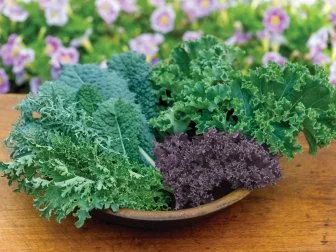
How to Freeze Kale
Freezing kale opens the door to quick green smoothies and tasty side dishes. Learn how to preserve this nutrient-packed green.
Harvest kale by cutting off the outermost leaves as soon as they reach the right color and are large enough to eat. Leaves taste best once they've had a light frost.
Pests and Diseases
Kale is vulnerable to the following:
Cabbage worms chew holes in the leaves. Pick them off when you see them.
Aphids will suck the sap out of kale leaves. Spray with insecticidal soap to get rid of them.
Recommended Kale Varieties
'Lacinato' is an heirloom that has been grown in Tuscany, Italy, for centuries. It's also called Tuscan kale or dinosaur kale, and it is a traditional ingredient in minestrone and ribollita. This is one of the most popular varieties of kale because it's thinner and more tender, making it more versatile.
'Red Ursa' is a bolt-resistant variety of red Russian kale. It's a flat-leaf kale prized for its sweet taste.
'Vates' is a dwarf kale, with blueish green leaves that are both heat- and cold-tolerant. It is also called Scotch kale.
'Winterbor' is a type of curly kale with green, ruffled leaves. It's good for soups and salads, and the plant is cold hardy enough to withstand freezing temperatures in the garden.
Kale Recipes from Food Network
Get Food Network's healthy kale recipes and eat more of this leafy green that's chock-full of vitamins.


