

HGTV's Vegetable Garden Planner Sets You Up for More Harvests Every Year
Planning your vegetable garden is easier than ever with our tips on garden designs and great veggies to grow.

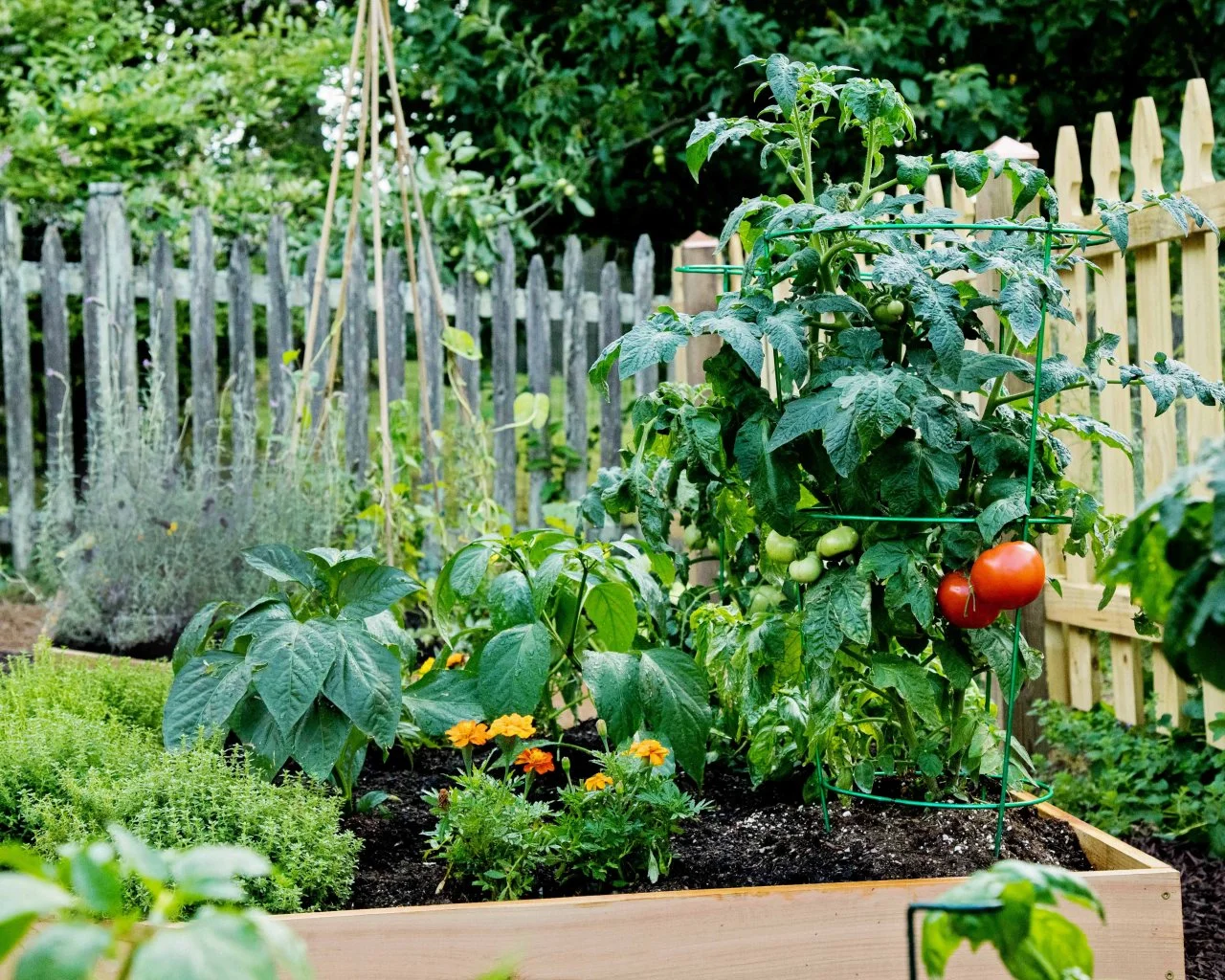
Photo by Melissa Caughey
Edge your vegetable garden with flowering annuals to help attract pollinators.
Vegetable gardening doesn't have to be intimidating when you start with a good design plan and know how to choose the best plants for your growing conditions. That means taking a look at what kind of soil you have, how you'll water your veggies and how much sun or shade they require. Use our step-by-step tips to find lots of delicious, nutritious edibles, and then choose from our illustrated vegetable gardening plans and get ready to grow.
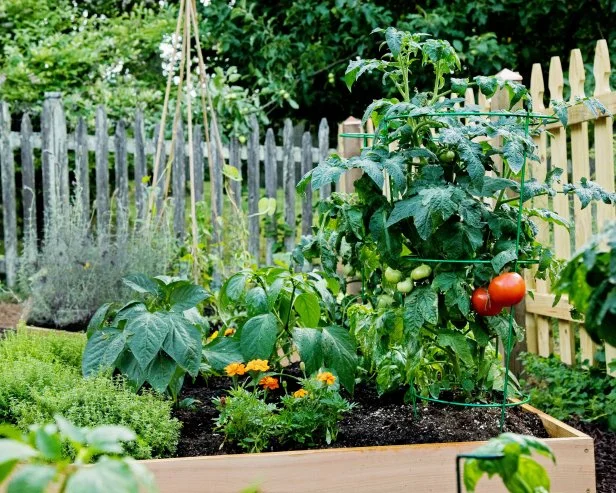
Shain Rievley
Raised beds are just one option for designing a thriving, beautiful vegetable garden.
Step 1: Decide What Vegetables to Plant
Here are a few basic questions to get you started.
What will grow well?
Where you live can help you narrow down your options. The USDA Plant Hardiness Zone Map (revised in 2023) is one guideline, but other factors like soil type and weather patterns will also determine what kind of produce will grow best in your region. Your local agricultural extension, nursery owners and gardeners in your community can all be rich resources as you decide what to grow. Search online for the agricultural extension services and offices in your state.
Also, consider your yard. Many veggie plants need six to eight hours of direct sunlight to thrive. If your yard doesn't get that much, you might want to go with shade-tolerant plants like salad greens, broccoli or peas.
How much time can you give?
Some plants are very forgiving of busy gardeners, while others need closer care and almost immediate harvesting to stay healthy and keep producing. Lettuce, green beans and zucchini are three examples of veggies with a reputation for being novice-friendly. Tomatoes, while often at the top of new gardeners' lists, can be tricky as they're susceptible to many pest and diseases.

Shutterstock
Start From Seed or Seedling?
How long is your growing season? Some plants need several months to mature. If you live in an area that doesn't really warm up until May or June, your growing season won't be long enough to raise slow-maturing plants like tomatoes if you sow the seeds directly into the garden. You'll need to start with young tomato plants instead, or sow the seeds indoors before your last expected frost and transplant them --that is, move them outdoors into the ground or containers--when the temperatures are reliably warm.
Does the vegetable transplant well? Some veggies, like peppers and broccoli, don't mind transplanting. They're easy to start from seeds indoors and transplant them later. Others, like carrots, peas and lettuce, don't transplant well, so their seeds are usually sowed right into the garden or containers. Some vegetables, like eggplants, tomatoes and peppers, are sold as garden-ready seedlings.
Sowing seeds directly: If the veggies you want to grow have a short enough growing period for your climate and don't transplant well, sowing seeds directly into the ground or containers is your best bet. Some vegetables grow very quickly — just 30 days from seed to table.
Pros and Cons of Starting from Seed:
- It's the more economical option
- Seed catalogs offer a dizzying array of options
- Requires an investment of time and supplies (for example, you may need additional lighting) to ensure healthy plants
- You'll need to read seed packets and start your seeds indoors at the right time. Start them too early, and the weather will be too cold or wet for transplanting. Start them too late, and they may not have time to mature before your temperatures drop in late summer or fall
Pros and Cons of Starting with Seedlings:
- Purchasing seedlings from a nursery is an easier option
- You'll be able to pick healthy plants and put them in the ground soon after
- Local growers may also grow varieties well suited to your climate
- Buying plants is more expensive
- You'll have fewer options than if you started your own seeds.

Vegetable Gardening for Beginners: 16 Tips and Tricks 17 Photos
Even if you've never planted a vegetable garden before, follow our HGTV garden experts' tips and you'll be planting a bumper crop of tomatoes, peppers and lettuce before you know it.
Step 2: Find a Garden Location
How much space you have in your garden matters less than where it is, and what you do with it. Once you've decided which veggies to plant, you'll need to figure out where to put them. Where your vegetables will grow best depends on several factors:
- Space. You don't need a lot of space to grow vegetables, but do a little research to find out how much room your plants will need. Sprawling watermelons need more space than vining peas that will climb a trellis. Do you need fresh tomatoes for one person or a family? If you want to preserve some of your produce, you'll probably need room for extra plants.
- Sunlight. Is there an area of your yard that gets six to eight hours of sunlight each day? That's probably your ideal garden plot, unless you're growing mostly shade-loving veggies.
- Soil. Before you plant, test your soil's pH and nutrients. You can use a DIY test kit, or ask your county extension service if they'll test a sample for you. Tell them what you want to grow so they can recommend any amendments you might need. If your soil doesn't drain well, or you think it might be contaminated, building raised beds might be your best bet.
- Comfort. If you have problems with stooping, bending, kneeling or crouching, consider those while choosing your space. Many gardeners love raised beds because they're more comfortable to tend.
- Ease of Access. Planting near a hose or sink makes it easier to keep your garden well-watered. Choosing a spot near your house also lets you run out quickly to grab a tomato while you're making dinner. If you have small children, think about where you can easily keep an eye on them while tending the garden. Don't underestimate the power of a convenient location for your garden.
- Pets, Wildlife and Children. You may need a fence or other barrier to keep animals and children out of your garden to keep them safe and prevent damage to your plants. Use only pet-safe, child-safe, non-toxic fertilizers, insecticides, pesticides and other chemicals if pets, wildlife and children are around.

Step 3: Plan Your Vegetable Garden Design with HGTV's Free Vegetable Garden Planner
When you picture a vegetable garden, you probably envision neat rows of plants — but that might not be the best garden design for you. Here are some options to consider when designing your garden and deciding on a vegetable garden layout. We consulted Tasha Medve and Emily Lavinskas, both of The Purposeful You, a gardening, sustainable living and lifestyle blog. Emily created the garden plan graphics below; substitute the vegetables you want to grow. For even more intel on garden planning, Tasha's book, The Purposeful Gardener: Double Your Harvest & Create a Food Oasis with Raised Beds, Vertical Growing & Companion Planting (Page Street Publishing, Jan. 6, 2026) is a great resource.
Snag an Extensive Garden Planner Guide

Row Gardening

Tasha Medve and Emily Lavinskas / The Purposeful You
This is the traditional garden planted in rows, with space between the plants for easy access. Row gardening is a good choice for large gardens as it can make weeding easier, but it can use up precious space in a small yard. Planting herbs among the vegetable rows is one way to make better use of space.
Tasha says the plants in this design are all cool season crops that can be planted in spring and harvested by mid-summer and replaced with summer crops like tomatoes and cucumbers. "Swiss Chard and kale can be harvested from spring until fall. Chives repel unwanted pests that may feast on cabbage and kale...The scent of the sage beside the carrots will repel carrot rust flies that can often harm carrots."
Intensive Gardening

Tasha Medve and Emily Lavinskas / The Purposeful You
Intensive gardening allows you to get the biggest harvest from your garden. It's popular among gardeners with small yards and may use trellises, raised beds and succession planting to get the most out of your plot. Square-foot gardening is one extremely popular and simplified method of intensive gardening.
"This garden design can be placed inside an 8' x 4' raised bed," Tasha says, so you can harvest in the middle without stepping into the garden and possibly compacting the soil and damaging plant roots. She uses pest control flowers like marigolds and compact nasturtiums, and plants densely to suppress weeds and produce more edibles. "Lettuce interplanted with sweet alyssum looks stunning in a raised bed as the sweet alyssum trails over the bed."
Container Gardening

Tasha Medve and Emily Lavinskas / The Purposeful You
If you have a very small yard or none at all, growing vegetables in containers might be your best bet. Whether you plant in pots, boxes or both, container gardens offer flexibility, manageable space and opportunities to get creative. Small or lightweight containers can be moved around your yard, if needed, to give your plants more sunlight as the seasons change. Look for varieties recommended for containers. Containers are especially popular, Tasha notes, for balconies, front entrances and patios. "I love to mix flowers, herbs, vegetables and berries." The herbs in this design are perennials that can return every year, if properly pruned and nurtured.
Corner or Spot Gardening

Tasha Medve and Emily Lavinskas / The Purposeful You
Some yards don't have enough space for a garden in a single location, but may have several small areas for growing a plant or two. Consider mingling flowers or herbs with the veggies for a more intentional, complete look that takes advantage of every inch of space. "This corner garden can be inground or in a raised bed in the corner of your yard," Tasha says. "The back of the bed is perfect for vertical growing and allows you to grow more food in a smaller space." This illustration shows "a living food wall" of summer crops. Continuously picking the cucumbers, tomatoes and beans signals the plants to keep bearing, she says, "so don't be shy harvesting."
Raised Bed Gardening

Tasha Medve and Emily Lavinskas / The Purposeful You
Elevated planting areas, filled with good planting soil, offer advantages like efficient drainage and some flexibility on garden location. They can also be easier on a gardener's back and knees because they require less bending and stooping, and soil warms up earlier in a raised bed garden so you can plant sooner. Tasha says this design for an 8' x 4' raised garden bed is planted with cauliflower and Brussels sprouts that take up to five months to grow from seed to harvest. She recommends interplanting them with radishes to harvest while they mature. Because insect pests can attack the Brassicas (the cauliflowers and Brussels sprouts), she plants a ground cover of sweet alyssum; as a bonus, it attracts pollinators "and beneficial insects like ladybugs" that like to feast on aphids.
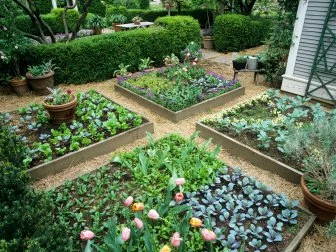
20 Raised Garden Bed Ideas 27 Photos
Discover different types of raised garden bed styles and flower bed styles that will inspire you to create your own orderly garden space.
Companion Plant Gardening

Tasha Medve and Emily Lavinskas / The Purposeful You
When deciding which plants to put next to one another, try companion planting. Based on their harvest timetables and needs for light, nutrients and water, some veggies naturally "get along" as neighbors. Classic pairings include carrots and tomatoes, and onions and cabbages. According to Tasha, "Some vegetables are not friends and should not be planted next to each other." This design shows indeterminate tomato varieties (vining varieties) that can grow vertically to double your planting space. "Basil and tomatoes grow well together and are extremely aromatic." While the marigolds shown here help repel pests, borage attracts pollinators; lettuces thrive under the shade of the tomatoes. "This is a wonderful companion planting bed if you are planning to make tomato basil pasta sauce."
Planning your garden design doesn't have to be complicated — all it takes is a piece of graph paper and a pencil, or a handy computer programs. The most important element is knowledge, so take a few minutes to research each veggie you'll plant and make sure you put it in the best spot to get the amount of water, sun and fertilizer it needs.
When the planning is done, the real fun begins. Fast-growing edibles like lettuce, radishes, spinach and other leafy greens are ready to harvest soon after planting, along with cilantro, dill, parsley, green onions, pea shoots and baby beets. After you bring their fresh flavors and nutrients to the table, you can replant your garden or container with other crops that are suited to the season, or enjoy watching edibles that take longer to mature, like melons and tomatoes, as they ripen.

Debbie Wolfe
Collecting the goods is one of the most gratifying parts of vegetable gardening. Have fun!