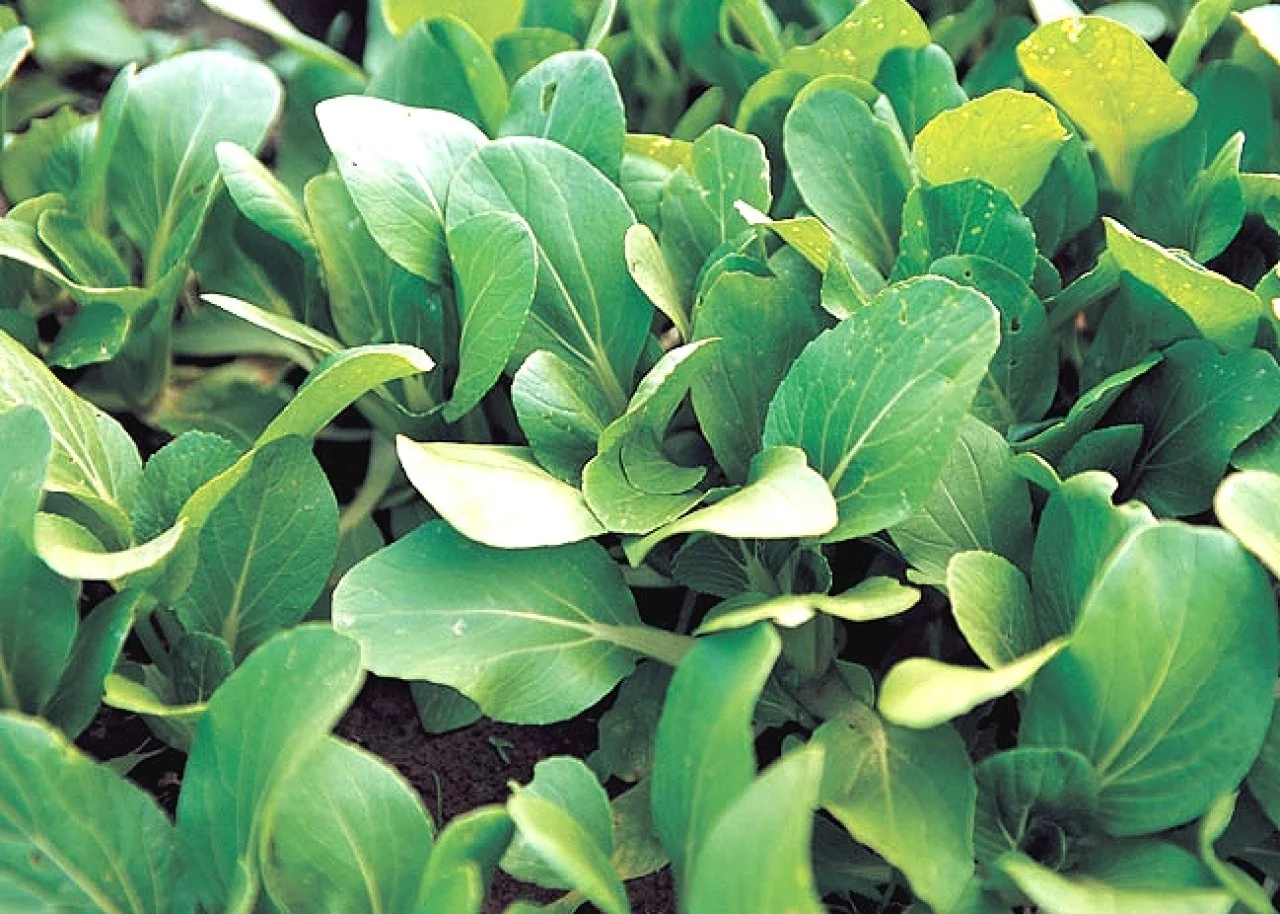
Planting and Growing Spinach
Spinach is a fast-growing, cool-season vegetable that can be harvested in as little as a month after you plant it. Here's what you need to know to grow a bountiful crop.
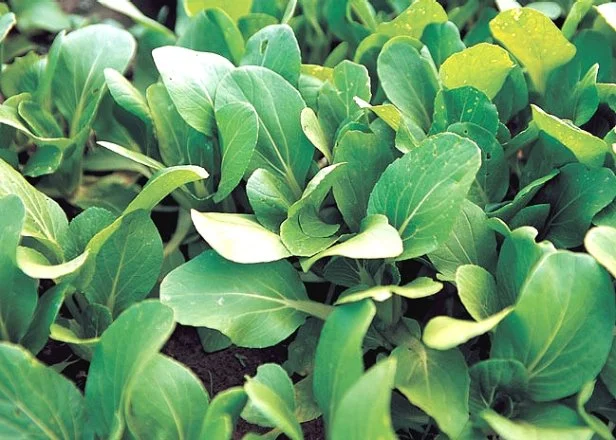
Plant your first row of spinach seeds in early spring as soon as the soil can be worked. For a fall garden, sow spinach seeds 6 to 8 weeks before the first frost of fall.

Spinach is one of the easiest cool-season crops to grow. The leafy green vegetable thrives in cool weather and short days, so it's a good pick for fall or early-spring gardens.
The secret to spinach success for a spring garden is planting spinach seeds as soon as possible so the plant has time to mature before hot weather arrives. Spinach cannot take heat. Warm temperatures make spinach bolt (set seeds and mature too fast) and grow a stalk instead of leaves. And you want leaves, not stalks.
In a fall garden, the trick to growing spinach is sowing seeds late in the season, when summer's sizzle has ended. Spinach is cold hardy and can tolerate a light frost, so if you live in a mild climate you can grow it over the winter. In colder climates where there are hard freezes, protect spinach with a cold frame.
Here's what you need to know about planting spinach and growing spinach.
Spinach 101
Native to Persia (modern day Iran), spinach made its way to China in the seventh century. Popeye's favorite veggie made its way to Europe in the 11th century when the Moors brought it to Spain. Spinach came to North America in the 19th century, and in the 20th century it became the first vegetable to be frozen and sold commercially.
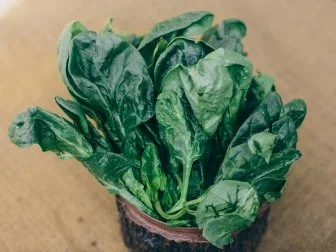
How to Freeze Spinach
Freeze fresh spinach leaves — homegrown or store-bought — to create your own dark leafy green to flavor hot dishes and smoothies.
Yep, spinach was the first frozen veggie. But eat it fresh. It tastes better and is more nutritious when picked fresh from your garden.
Spinach thrives in spring and fall gardens when the air temperature is between 35 and 75 degrees. It's fast growing; most varieties are ready to harvest about six weeks after planting seeds. Some varieties of spinach plants can be harvested in just over a month.

How to Start a Fall Garden
Plant those fall vegetables in the summer to enjoy a haul of fresh produce when the temperatures cool.
There are two basic types of spinach, smooth-leaved and crinkly (savoy) leaved. Smooth-leaved varieties grow faster, produce bigger crops and are easier to clean. It's the most popular variety. Savoy spinach has dark green, curly leaves with a bitter flavor. It's often used in place of collards, kale and chard.
To guarantee success at growing spinach in warmer climates, look for heat-tolerant varieties that are slower to bolt (mature and set seed) in warm weather. Malabar spinach is a good choice for summer gardens because it's bolt-resistant.
If you don't have a garden, try growing spinach in containers.
Botanical Name: Spinacia oleracea
Common Name: Spinach
Plant Type: Vegetable
Hardiness Zones: 2 to 9
Planting Spinach
Start your first row of spinach seeds in early spring as soon as the soil can be worked. Plan on making successive plantings — planting a new row of seeds — every 2 to 3 weeks during early spring. Spinach needs six weeks of cool weather to grow from seed to mature veggie and it cannot take heat, so you need to get those seeds in the ground as soon as you can.
Note: Spinach seeds won't germinate well in soil warmer than 70 degrees.
For a fall garden, sow spinach seeds 6 to 8 weeks before the first frost of fall. Spinach can tolerate a light frost. If you live in a mild climate, you can grow spinach all winter.
Choose a spot that gets full sun. Spinach needs at least six hours of sunlight per day.
Loosen the soil before planting. Spinach grows a long taproot and it will grow best if you loosen the soil at least a foot deep.
Sow seeds directly into the ground in the garden, 1/2 to 2 inches deep. Plant 12 seeds per foot.
When the spinach seedlings are 2 inches tall, thin them to 3 or 4 inches apart.
Caring for Spinach
Water spinach regularly, giving about an inch of water per week when there is no rain. Spinach is a heavy feeder and leaves get tough when they don't get enough water.
Keep soil moist by mulching. This will protect the roots from temperature extremes, too.
Spinach can tolerate cold. It can survive a frost and temperatures as low as 20 degrees.
Pests and Diseases
Spinach is vulnerable to the following:
- Leaf Miner Plant radishes alongside spinach to attract leaf miners. The bugs will eat the radish leaves and stay off your spinach. Behold, the magic of spinach companion plants.
- Mosaic Virus is an infectious plant virus that can decimate your crop. Leaves turn yellow and drop off. It's spread by leafhoppers, aphids and cucumber beetles, so keep those critters off your spinach to avoid mosaic virus. Once your plants are infected with mosaic virus, though, there is no cure.
- Downy Mildew too much humidity causes these patches of mildew to form on leaves, turning them yellow and causing them to die. To prevent, avoid watering spinach plants from overhead and space plants far enough apart to allow adequate air circulation.
Harvesting Spinach
Most varieties of spinach are ready to harvest six to eight weeks after planting.
You can cut leaves from any spinach plant that has at least 6 leaves that are 3 or 4 inches long. Harvest the outside leaves and leave the rest of the plant to continue growing new leaves.
Harvest the entire plant once the spinach shows signs of bolting.
Recommended Spinach Varieties
'Giant Nobel' is a smooth leaved variety.
'Winter Bloomsdale' is a crinkled leaf variety that's resistant to mosaic virus.
'Tyee' can be planted in spring or fall and is resistant to downy mildew.
'Indian Summer' is a heat-tolerant variety that's slow to bolt and is ready to harvest just 40 days after being planted as seed.
'Harmony Hybrid' is a classic ruffle leaf spinach with large, tender leaves that matures in just six weeks.
Malabar Spinach (Basella alba) is a heat-tolerant leafy green that, while not a true spinach, is similar in flavor and growth habit to spinach. It's a good pick for summer gardens.
Try These Spinach Recipes

Spinach Recipes from Food Network
Get Food Network's best spinach recipes — from fresh leafy salads to veggie-loaded baked pastas.