

Topiary Gardening Tips


Looking for a showcase specimen plant for your yard? Something uniquely creative and visually pleasing that won't require heavy maintenance for the casual gardener? Why not try a topiary?
Whether you are interested in geometric forms, animal shapes or formal landscape sculptures, there are a number of commercial nurseries that specialize in the selection and installation of topiary specimens. Mark Reaves of Topiary Courtyard has some helpful advice for beginners on the selection, care and maintenance of topiaries.
Inspirations
Although the art of topiary has been around since Roman times, it is a much more prevalent horticulture practice in the United Kingdom where it enjoyed a major renaissance during the Victorian era. Levens Hall in England's lake district, Drummond Castle in Perthshire, Scotland and Hidcote Manor in the north Cotswolds are among some of the world famous gardens featuring spectacular topiary designs. But there are a number of equally prestigious topiary gardens in the U.S. which draw huge crowds yearly such as Ladew Gardens, Lotusland, Longwood Gardens and the Pearl Fryar Topiary Garden in South Carolina.
Chose Your Specimen
The most common shrubs used for creating topiary designs are boxwoods, arborvitae, pines and cypresses. The frequency of maintenance will depend on which of these types you choose. For example, a boxwood is a slow grower but arborvitae and cypresses are fast growers. Regardless of which specimen you choose, Reaves's main recommendation for the topiary is,"Never let it grow out of shape to the point where you cannot identify the original shape. Then it's too hard to get it back. It's really not hard to maintain as long as you keep on top of it."
Tools of the Trade
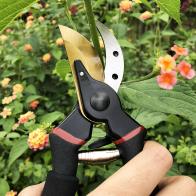
As a rule of thumb, sharp hedge clippers are recommended for large topiaries and sharp pruning shears are ideal for smaller plants. You may want to consider the advantages of each of these tools: long handle hedge shears, topiary shears, one-handed shears and power trimmers.
Long handle hedge shears are great for trimming the odd branch or protruding growth but can be heavy and hard to maneuver for some gardeners depending on the size of the topiary and how they position themselves while trimming. Topiary shears were originally created to shear sheep and provide precision cutting and easy manageability due to the small size. Similar to topiary shears, one-handed shears are recommended for light trimming and offer fixed blades for pruning either horizontal or vertical surfaces. For large or oversized hedges and topiaries, powered trimmers (gas, battery or electric) are your best option.
Clipping and Pruning
Reaves says the average gardener "is going to use gas powered shears. They're quick, easy, efficient and the industry standard. However, in the heat of the summer, hand pruning is aesthetically better. Power shears have fast moving blades so you're making a bunch of little cuts on the leaf surface. But in the heat of summer, that browns the tips of the foliage. When you do it by hand, it results in less cuts that do not make the plant turn brown."
When to prune is another important consideration. "The best time to do your hardest prune on any topiary," Reaves states, "would be in the dormant season, meaning January, February."
In terms of general maintenance, topiary specimens should be treated the same as any other valued shrub or plant in your yard. Tend to your plant's water needs, fertilize it and use preventative measures against insects and plant diseases. The topiary is going to require a little more care because it is a manicured form but if you have a stunning specimen that looks like Edward Scissorhands created it, isn't that worth maintaining?