








Maximalist Gardening Does the Most in Any Size Space
Inspired by viral “fill it” and plantmaxxing trends, these abundant approaches improve yield and moisture retention — and make every garden feel lush.

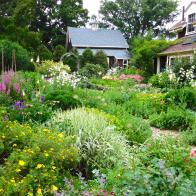
In gardens of all sizes, restraint is taking a back seat to all-out abundance. More is more, the Pennsylvania Horticultural Society declared in its list of top gardening trends for 2026. Kelly Funk, President & CEO of Jackson & Perkins, shares how maximalist gardening is reshaping the way we plant. Fueled in part by social media buzz, it emphasizes densely planted beds, tiered crops and little to no empty space. The payoff: higher yields, better moisture retention and a space that feels as productive as it looks.

Shutterstock/Gardens by Design
What Is Maximalist Gardening?
Also referred to as abundance gardening, maximalist gardening centers on making every inch count. Instead of traditional row planting, gardeners adopt interplanted layouts that combine dense planting, varied heights and continuous production. Beds are designed to stay continuously planted, with crops tucked closely together, grown upward and rotated to keep harvests going. As Funk notes, gardeners today want more from their space while also embracing a richer, more planted look.
This mindset also aligns with structured approaches like the 5-4-3-2-1 method, which balances density with thoughtful planning. “Abundance gardening brings those two ideas together – it’s both practical and visually rewarding,” she explains.
Types of Maximalist Gardens

Sunset Plants
Maximalist gardens come in all shapes and sizes, but each one follows a simple principle: create a layered, highly productive design.
Raised Beds
Raised beds make it easy to practice intensive spacing and mixed-height planting. Gardeners can combine tall, mid-height, and low-growing plants in a single bed, creating a system that is both efficient and visually dense. Ideal for gardeners who want more control over soil, spacing and layout.
Containers
Containers lend themselves to a “recipe-style” approach, mixing herbs, leafy greens, compact vegetables and ornamentals in one pot. This method is well-suited for patios, balconies or any small-space setup where every container needs to do more.
In-Ground Beds
In-ground abundance often take on a mixed-border style, blending edibles with ornamentals. The result is a cottage-inspired look that feels lush, informal and constantly evolving.
Vertical Gardens
Vertical design elements such as trellises, cages and stacked planters extend the growing space upward. Vining crops thrive here, turning unused vertical areas into a key part of the harvest.
Why Maximalist Gardening Works

Shutterstock/Gardens by Design
Maximalist gardening succeeds because it uses space and resources more efficiently. By planting more crops per square foot, gardeners can increase yields without expanding their footprint. “One of the biggest advantages is how it benefits the soil,” Funk says. When plants are spaced thoughtfully but grown more closely together, their leaves help shade the soil and reduce evaporation. “More roots in the soil leads to much more water retained, and healthier plants,” she adds, noting that this approach supports stronger growth overall.
The benefits build over time. Less exposed soil means fewer weeds, while greater plant diversity supports beneficial microbes and improves soil health. With consistent replanting, beds stay active throughout the season, delivering steady harvests. For small-space gardeners especially, this method offers a practical way to grow more while making the most of what they have.
How to Try Maximalist Gardening in Any Space

Shutterstock/Ashley-Belle Burns
Begin with plants you actually use and your growing conditions to guide your layout, but shift your mindset away from rigid rows. Instead, think in layers. Combine heights, textures and growth habits so each section of your space works harder and looks more dynamic from the start.
Plant Closer, but Smarter
Maximalist gardening is less about crowding and more about compatibility. Follow general spacing guidelines, but push them slightly by mixing plants with different growth habits. Pair upright growers with low, spreading varieties or quick crops with slower ones that need more time to mature. “If plants start competing for light or airflow, you have gone too far,” Funk warns.
Use Vertical Space Early
Incorporate trellises, cages, or supports at planting time rather than later in the season. Training vining crops upward not only saves space but also improves air circulation and overall plant health.
Keep Beds Active All Season
“Succession planting is a game changer,” Funk says. As soon as one crop finishes, have another ready to take its place. This approach ensures there are no gaps, keeping your garden vibrant and continuously producing from spring through fall.
Make It Look Intentional
A densely planted garden still benefits from structure. Repeat plant groupings, mix textures and heights and weave in flowers for color. “Structure definitely is key,” Funk explains, noting that repetition and defined edges help everything feel cohesive rather than chaotic.
Start Small
Test the approach with one raised bed or a few containers or try a snack-style planting first. Once you understand spacing and timing, you can scale up with confidence.
The One Plant That Does It All

Shutterstock/Danny Hummel
For a single plant that delivers on both beauty and function, thyme stands out. “Thyme is one I come back to again and again,” says Funk. Low-growing and easy to care for, it works as a living mulch between larger crops. Varieties like red creeping thyme add texture, soften edges, and can be harvested throughout the season, making them a natural fit for abundance-style gardens.

Sunset Plants
Maximalist gardening proves that more really can be more when it’s done thoughtfully. By layering plants, maximizing planting density and keeping beds continuously in use, you can grow more in less space while creating a garden that feels vibrant, efficient and full of life.


