

10 Self-Care Tips for Safe and Happy Gardening
From storing chemicals safely to wearing the proper attire, these 10 gardening safety tips will help you to care for yourself as you care for your garden.

Flynnside Out

Gardening is good for the soul, but let’s be honest, it can be hard on the body. But, it doesn't have to be. This list of gardening safety tips is designed to ensure your gardening venture leads to a bountiful harvest, rather than a trip to urgent care.
From simple tasks like wearing gloves to more serious concerns like practicing safe, responsible digging, these 10 gardening safety tips are sure to make this gardening season better (and safer!) than ever before.
1. Wear Proper Gardening Attire
We get it: Gardening in the hot sun on a 95-degree, high-humidity day is tough, and adding gloves, boots and extra layers can make it feel even more uncomfortable. However, wearing the proper gardening attire can help protect you from cuts, scrapes, insect bites, sun exposure and repetitive strain injuries, all while making long gardening sessions safer and more manageable.
To stay comfortable and protected while working in the yard, consider wearing the following gardening essentials:
- Wide-brimmed sun hat
- Lightweight, breathable shirt
- Durable pants or long shorts
- Gardening gloves
- Closed-toe shoes or boots
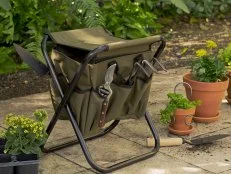
- Gardening apron with tool pockets
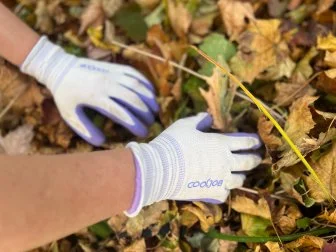
8 Best Gardening Gloves of 2026, Tested and Reviewed
We put top-rated gloves to the test in order to find the best options for planting, weeding and daily garden chores.
2. Stretch Before Doing Anything Strenuous

Kamron Sanders
You may not need to stretch before harvesting a few tomatoes, but taking a few minutes to loosen up before more strenuous tasks can help prevent soreness and injuries later.
Activities like extensive weeding, tilling, digging, string trimming, hauling soil and repetitive planting can put significant strain on your back, shoulders, knees and wrists — especially if you jump right in without warming up first.
Before tackling physically demanding garden work, spend a few minutes stretching your legs, back, shoulders and arms to improve mobility and reduce muscle strain. Even a short warm-up can make long gardening sessions more comfortable and help reduce next-day aches and pains.
3. Practice Safe Digging

Fiskars.com
From gas lines and water pipes to electrical cables, there’s no shortage of underground utilities running beneath the average yard. Striking one while digging can lead to expensive repairs, service interruptions and potentially serious safety hazards.
Before installing garden beds, planting trees, setting fence posts or tackling any project that involves digging, take the time to verify the location of underground utilities. In most areas, homeowners can contact 811 to have utility lines professionally marked before digging begins, helping you avoid accidental damage and stay safe while working in the yard.
4. Avoid Poisonous Plants

David Austin Roses Ltd.
Some of the most beautiful plants you can grow in a garden can also be surprisingly toxic to people and pets. Foxgloves, for example, are prized for their colorful blooms, but every part of the plant is poisonous if ingested. Many common ornamental plants can also cause skin irritation or other reactions when handled without protection.
Before adding new plants to your garden, take a few minutes to research whether they’re toxic to children, pets or livestock. It’s also smart to identify unfamiliar plants already growing in your yard before touching, trimming or ingesting them. Wearing gloves while gardening can provide an extra layer of protection against irritating or poisonous plants.
5. Stay Hydrated
Working in the garden under the hot sun can take a lot out of you, especially during long planting, weeding or landscaping sessions. As your body sweats to cool itself down, you lose both fluids and electrolytes, which can quickly lead to dehydration, fatigue, dizziness and muscle cramps if you’re not careful.
Keep water nearby whenever you’re working outdoors, and take regular hydration breaks — even if you don’t feel thirsty yet. Plain water is excellent for staying hydrated, but on especially hot or strenuous days, an electrolyte drink can help replenish minerals lost through sweat.
6. Maintain Your Tools

Photo by Dan Lipe
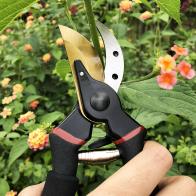
Dull tools are dangerous tools. While it may seem counterintuitive, gardening tools with dull blades or worn components often require more force to operate, making them more likely to slip, bind or malfunction during use. This can increase the risk of cuts, strains and other injuries.
Regularly inspect and maintain your gardening tools to ensure they remain safe and effective. Sharpen blades as needed, tighten loose hardware, clean off dirt and moisture after use and replace damaged handles or worn parts before they become a hazard. Well-maintained tools not only improve safety but also make gardening tasks easier and more efficient.
7. Lift Smart

Gardener’s Supply Co. at Gardeners.com
From bags of soil and mulch to seed trays, chemical containers, hog wire panels and heavy tillers, gardening often involves moving awkward and bulky materials. Lifting too quickly or using improper technique can easily lead to back strains and other injuries that may keep you out of the garden for days or even weeks.
When lifting heavy items, take your time and lift intentionally by bending at the knees and using your legs rather than your back. Keep loads close to your body, avoid twisting while carrying materials and break especially heavy loads into smaller trips whenever possible.
Pro Tip: For oversized or extremely heavy items, don’t hesitate to use a wheelbarrow, garden cart or a second set of hands.
Shop Our Favorite Garden Carts
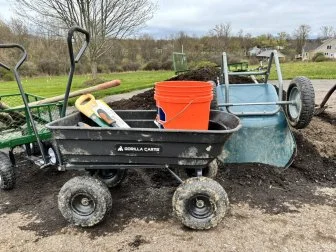
6 Best Garden Carts of 2026, Tested and Reviewed
These wagons and carts will make your life easier, whether you need to tote around your tools on a low-key gardening day or transport rocks and soil for some heavier landscape work.
8. Practice Responsible Chemical Use
Garden chemicals can pose serious safety risks both during application and long after they’ve been sprayed or spread. Fertilizers, herbicides, pesticides and other lawn and garden products often contain ingredients that can irritate the skin, harm pets or contaminate nearby plants and water sources if used improperly.
Before applying any garden chemical, carefully read the manufacturer’s instructions and safety warnings. Pay close attention to recommended protective gear, application rates, weather guidelines and how long children and pets should stay away from treated areas.
9. Store Chemicals Safely
Garden chemicals can remain hazardous even when they’re sitting on a shelf, making proper storage just as important as safe application. Improperly stored fertilizers, pesticides, herbicides and fuels can leak, spill or accidentally expose children, pets and wildlife to harmful chemicals.
Always store garden chemicals in their original labeled containers and keep them in a cool, dry, well-ventilated area away from direct sunlight, food and animal feed.
Lock cabinets or storage sheds whenever possible and never transfer chemicals into unlabeled bottles or containers that could be mistaken for something else. Regularly inspect containers for leaks or damage, and properly dispose of expired or unused products in accordance with local guidelines.
10. Wash Your Hands Even If They Aren’t Dirty
Whether it’s residual garden chemicals, bacteria in the soil or irritants from bugs and plants, there are plenty of reasons to wash your hands after gardening — even if they don’t appear visibly dirty. Many substances that can cause skin irritation or illness aren’t easy to see, and you can accidentally transfer them to your face, food or other surfaces around your home.
After gardening, thoroughly wash your hands with soap and water, especially before eating, drinking or touching your eyes and face. It’s also a good idea to clean under your fingernails and wash gardening gloves regularly to help limit the spread of dirt, bacteria and chemical residue.