Photo: Daniel Pratt
1 / 34
Mix Flowering Perennials for Big Impact
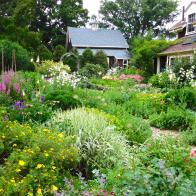
Select perennials that bloom all summer: Perennials that bloom all summer are a great choice, but you'll also want a mix of plants that flower at different points in the growing season so your garden always looks fresh and changes with the seasons.
Reach for a variety of shapes and hues: You can find flowering perennials in any hue, including black, chartreuse and multicolored blends. And perennial flowers come in an amazing array of forms, from happy daisy-like blooms to fuzzy spikes as with delphinium pictured here, to delicate heart-shaped blossoms. Mix and match perennial flower colors and shapes to create an eye-pleasing scene.
Planting the perennials that bloom all summer: Start with one-gallon plants, choosing plants with plenty of healthy, lush foliage and avoiding those that have already started blooming. Give them the conditions they need (shade or sun, moist or dry), then be patient. The first year you'll probably get only a few flowers, the next year many more, and the third year, you'll be astounded at the color you've created.
Annual vs. Perennial
More photos after this Ad
Photo: Photo by Edward Lyon / Courtesy Timber Press
2 / 34
Pasque Flower (Pulsatilla vulgaris)
This hairy stemmed beauty pushes out new growth in early spring when snow is often still on the ground. Blooms open in shades of striking purple as leaves are unfurling. Flowers typically linger about three weeks. Pasque flower likes a well-drained, limey soil. Landscape use: Tuck in rock gardens, or use as an edging plant. Hardy in Zones 4 to 8.
Prairie Garden Flowers
More photos after this Ad
Photo: Image courtesy of PerennialResource.com
3 / 34
‘Penny’s Pink’ Lenten Rose (Helleborus ‘Penny’s Pink’)
Ignite late winter scenery with the pink blooms of Lenten rose. Leathery evergreen leaves boast striking venation that’s eye-catching when plants aren’t in flower. Blossoms open as early as February in regions with mild winters and linger eight weeks — and often longer. Landscape use: Include in perennial beds or skirted around deciduous shrubs. Hardy in Zones 4 to 9.
How to Grow Hellebore
More photos after this Ad
Photo: Image provided by Felder Rushing
4 / 34
Creeping Phlox (Phlox subulata)
Also known as moss phlox, creeping phlox forms a solid ground cover that bursts into bloom in spring. Colorful flowers open in a range of hues, including pink, lavender and white. Flowering window depends on how fast spring heats up, but the show can linger up to six weeks or more. Showcase plants by letting them cascade over stones and walls. Hardy in Zones 3 to 9.
How to Grow Phlox
More photos after this Ad
Rue anemone (Anemonella thalictroides)
Small, one-inch-wide pink or white blooms open above gray-green leaves. Flowers appear in mid-spring and last up to eight weeks. This showy beauty tolerates drought and heavy shade. Landscape use: Include in a shady border or woodland garden. Naturalizes to create a carpet of color. Hardy in Zones 4 to 8.
More photos after this Ad
‘Jack Frost’ Heart-leaf Brunnera (Brunnera macrophylla ‘Jack Frost’)
Sprays of blue flowers appear above leaves through spring. Richly-variegated leaves look fantastic until fall frost. Landscape use: Include in perennial beds, shady borders or beneath high-canopied trees. Hardy in Zones 3 to 10.
More photos after this Ad
Photo: Image courtesy of PerennialResource.com
7 / 34
‘Popsicle Mix’ Lupine (Lupinus ‘Popsicle Mix’)
Spikes of pink, purple, red, yellow and bicolor blooms stand above a mound of fan-shaped leaves. Flowers start opening in late spring and linger through early summer, yielding at least three weeks of color. Landscape use: Looks best planted in mass or paired with roses. Lupine makes a good addition to a cottage garden. Hardy in Zones 3 to 6.
More photos after this Ad
Photo: PerennialResource.com
8 / 34
Lady’s Mantle (Alchemilla mollis)
Velvety, gray-green leaves hold their own long after chartreuse blooms fade. Frothy flowers open from late spring to early summer, covering a 4-week window. Clip blossoms for bouquets. Landscape use: Edge plantings or skirt shrub roses. Hardy in Zones 3 to 7.
More photos after this Ad
Photo: PerennialResource.com
9 / 34
Peach-Leaved Bellflower (Campanula persicifolia)
Bellflower opens blue or white blooms in early to midsummer. Flower stems make great additions to garden bouquets. Give plants average soil in full sun to part shade. In warmer zones, protect plants from hot afternoon sun. Divide this bellflower every four years — sooner if plant growth diminishes. Also harvest and transplant offset plants surrounding the mother plant. Peach-leaved bellflower is hardy in Zones 3 to 7.
More photos after this Ad
Yellow Corydalis (Corydalis lutea)
Lemon yellow flowers have spurs and stand above blue-green, fern-like leaves. Flowering window extends up to five months. Plants self-sow freely, almost to the point of invasiveness. Landscape use: Tuck into shady borders, atop rock walls or in dry areas. Hardy in Zones 5 to 8.
More photos after this Ad
Photo: PerennialResource.com
11 / 34
Russian Sage (Perovskia atriplicifolia)
Clouds of purple blooms top silvery stems covered with ferny gray-green leaves. Flowers open from late summer through mid-fal l— roughly 12 weeks. The entire plant has a soothing herbal sage fragrance. Landscape use: Open form combines well with many perennials and is gorgeous paired with orange flowers. Hardy in Zones 4 to 9.
Learn More
More photos after this Ad
Photo: Image courtesy of PerennialResource.com
12 / 34
‘Midnight Marvel’ Rose Mallow (Hibiscus ‘Midnight Marvel’)
Dark purple leaves paired with scarlet flowers make this perennial a true showstopper. Blooms open 8 to 9 inches across from midsummer through early fall — roughly eight to 10 weeks. Landscape use: Place in mixed borders as a shrub. It looks especially sharp planted next to a lighter-colored partner, like variegated red twig dogwood. Hardy in Zones 4 to 9.
Learn More
More photos after this Ad
‘Bright Eyes’ Garden Phlox (Phlox paniculata ‘Bright Eyes’)
Stately 2- to 3-foot stems sport large flower heads. The blooms open in pale pink with a deep rose center from mid- to late summer — roughly seven to 10 weeks. Remove spent blooms, and fall flowering can occur. Landscape use: Tuck into a sunny flower bed, cutting garden or butterfly garden. Hardy in Zones 3 to 9.
Learn More
More photos after this Ad
‘Cherry Cheeks’ Daylily (Hemerocallis ‘Cherry Cheeks’)
Daylilies are one of the easiest perennials to grow, and ‘Cherry Cheeks’ is no exception. The cherry pink blooms open in midsummer for roughly six weeks. Other daylily varieties flower at different times. Some bloom all season. Landscape use: Line paths, mix into flower beds or use to accent foundation shrubs. Hardy in Zone 3 to 9.
Read More
More photos after this Ad
Photo: PerennialResource.com
15 / 34
‘Goldsturm’ Black-Eyed Susan (Rudbeckia fulgida ‘Goldsturm’)
Sunny yellow blooms with dark centers are a perennial favorite. Flowers open steadily from early summer through fall if you snip spent blossoms. Landscape use: Include in cutting, cottage or butterfly gardens. Also a great choice in a xeriscape garden. Hardy in Zones 3 to 10.
Learn More
More photos after this Ad
Photo: Image courtesy of Blooms of Bressingham
16 / 34
Rozanne Geranium (Geranium ‘Gerwat’)
Pretty violet-blue blossoms have deeper purple veins and white centers. This beauty flowers non-stop from late spring through fall frost in all but the hottest regions. Landscape use: Include in cottage or rock gardens. Pair with ‘Lucifer’ Crocosmia (shown) for a sizzling garden combination. Hardy in Zones 5 to 8.
Learn More
More photos after this Ad
Photo: Image courtesy of the Atlanta Botanical Garden
17 / 34
‘Fireworks’ Goldenrod (Solidago rugosa ‘Fireworks’)
Golden flowers start opening along 18-inch-long blossom stems in late summer. The floral fireworks continue until mid-autumn, giving a display that’s 6+ weeks long. Landscape use: Terrific choice for a rain, cottage or butterfly garden. Hardy in Zones 4 to 8.
More photos after this Ad
Photo: Shutterstock/guentermanaus
18 / 34
Hadspen Abundance Bears Deep Pink Blooms
Anemone hupehensis, Hadspen Abundance, has dark pink, two toned flowers that occur in abundance and rise above the foliage on branched stems from August to October. It is beautiful in the woodland garden or border and planted in masses.
More photos after this Ad
Photo: Image courtesy of PerennialResource.com
19 / 34
‘Purple Dome’ New England Aster (Aster novae-angliae ‘Purple Dome’)
Royal purple flowers with gold centers burst on the scene in August each year. Blooms linger through late September, providing roughly six to eight weeks of color. Landscape use: Pair with pink shrub roses and yellow daylilies for a season-long flower show. Hardy in Zones 3 to 8.
Learn More
More photos after this Ad
‘Rossano Orange’ Garden Mum (Chrysanthemum ‘Rossano Orange’)
Beautiful orange blooms bring a subtle shade of this autumn hue to the garden. Fall garden mums typically flower from September to frost, giving you from six to eight weeks or more of color. Landscape use: Line a path, include in a perennial border or grow in containers. Hardy in Zones 5 to 9.
Learn More
More photos after this Ad
Photo: Image courtesy of PerennialResource.com
21 / 34
‘Autumn Anthem’ Maiden Grass (Miscanthus sinensis ‘Autumn Anthem’)
Vase-shaped grassy mound has blades lined with narrow white bands in the center. Flowering plumes start appearing in early fall and can linger all winter long. Landscape use: Let it fill the role of specimen shrub, or add to cottage or perennial gardens for a vertical accent. Hardy in Zones 5 to 9.
More photos after this Ad
Photo: PerennialResource.com
22 / 34
Yellow Bearded Iris
The petals of bearded iris (Iris germanica) can occur in virtually any number of colors, from black, to yellow, to burgundy, to orange. The traditional purple and blue iris flowers seem to be the most common. These perennial favorites start flowering in mid-spring and last until mid-June, depending on the variety. These perennials are hardy in Zones 3 to 9 and bring low-maintenance beauty to the garden. Use in a cottage garden and plant in mass for full effect.
More photos after this Ad
Photo: Image provided by Felder Rushing
23 / 34
Peonies
Peony flower colors range from white, pink and red to coral, maroon and yellow. Many peony flowers are fragrant, with some varieties smelling like citrus and others like spice. They come in a range of flower forms, including single, Japanese, anemone, semi-double and full double. Peonies bloom from April to June. The blooms of the 'Sarah Bernhardt’ peony, pictured, open in mid-season. Peonies are hardy in zones 3 to 8. Plant peonies in mixed borders for color and texture. Peonies also make excellent cut flowers and are popular in bridal bouquets.
Learn More
More photos after this Ad
Photo: National Garden Bureau
24 / 34
Yarrow (Achillea millefolium)
A common wildflower, yarrow (Achillea millefolium) has transitioned artfully from meadows and roadsides to the perennial garden. Plant breeders have capitalized on yarrow’s ability to crossbreed, creating a host of yarrow varieties and yarrow colors. All of these hardy bloomers share the common traits of low maintenance, drought tolerance and pest-free personalities. Most yarrow varieties are hardy to Zone 3 and usually flower during high summer, after roses kick out their first flush of blooms and before Russian sage starts.
More photos after this Ad
Bee Balm
Bee balm blooms in mid to late summer, producing red, white, pink or blue flowers, depending on cultivar. A member of the mint family, bee balm can be aggressive about spreading. Place it where it can comfortably naturalize. A good companion for daylilies, coneflowers and yarrow.
Learn More
More photos after this Ad
Photo: TerraNovaNurseries.com
26 / 34
Echinacea purpurea ‘Mac ‘n’ Cheese’
Comfort food in bloom — that’s what 'Mac ‘n’ Cheese' coneflower is all about. With its cheese-colored petals, the 4.5-inch blooms command attention in the landscape. Pair it with 'Tomato Soup' coneflower for a visual garden feast. Expect plants to reach a modest 26 inches tall. This coneflower is hardy in zones 4 to 9.
Learn More
More photos after this Ad
Coral Bells (Heuchera sp.)
You'll appreciate coral bells for its flowers in late spring to early summer, but also for its foliage, which varies in texture and color and adds interest to the garden from spring to fall. USDA Zones (3)4 to 8(9), depending on cultivar.
Learn More
More photos after this Ad
Scabiosa Flower (Scabiosa Columbaria)
When deadheaded regularly, pincushion flower blooms from late spring to early fall and attracts butterflies and bees. There are annual, perennial and biennial types: the perennial form (Scabiosa columbaria) is hardy in USDA Zones 3 to 9.
More photos after this Ad
Black-Eyed Susan (Rudbeckia)
Black-eyed susan is a vigorous perennial that blooms prolifically from late summer to frost. It tends to naturalize, and it also doesn't need much deadheading. USDA Zones 3 to 8
More photos after this Ad
Blanket Flower
Native to the western U.S., blanket flower (Gaillardia x grandiflora) flourishes in hot sun, providing dazzling color to the garden when a lot of other plants wilt in the heat. In some parts of the country, blanket flower is a short-lived perennial and is treated as an annual, but it self sows.
More photos after this Ad
‘Rock & Roll’ Astilbe (Astilbe x arendsii ‘Rock & Roll’)
White flowers contrast nicely with bronze-tinted leaves in this perennial. For best flowering, grow astilbe in light shade to filtered sun in soil that stays consistently moist. Amend planting areas with ample organic material to help soil retain moisture. Flowers appear in midsummer. Hardy in Zones 4 to 9.
More photos after this Ad
Lillies
Unrelated to daylilies, lilies are a broad class of perennials that grow from bulbs and produce showy flowers in summer. Depending on the species and cultivars, lilies are hardy to USDA Zone 3 or 4. Note: lilies can be poisonous to pets.
More photos after this Ad
‘Bridal Bouquet’ Shasta Daisy (Leucanthemum ‘Bridal Bouquet’)
This daisy stages a show worth seeing. Petals first emerge yellow, then mature to white. The double flowers have gold centers. Plants pump out the blooms from early summer through fall. Flowers lack the classic Shasta daisy smell that some gardeners find offensive. Hardy in Zones 5 to 9.
More photos after this Ad
Butterfly Weed (Asclepias tuberosa)
Drought-tolerant butterfly weed isn’t picky about growing conditions. Give it a sunny spot, and you’ll be on your way to a flowery summer. Butterflies, bees and other pollinators can’t resist these bright orange blooms. This perennial pushes through soil in late spring, well after other plants are up and at ‘em. It’s a good idea to mark clumps with a stake to avoid early season digging in that spot. Hardy in Zones 3 to 9.