Next Up

The Best Plants for Prairie Gardens

Prairie gardens are native to much of North America, thus they attract birds and pollinators; and once they're established they are low-maintenance, super hardy and drought-tolerant.

Scroll For More Photos
1 / 16

Delicate Grasses and Vibrant Wildflowers

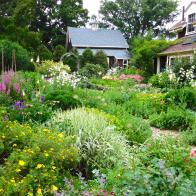
Clouds of butterflies, a buzz of happy bees and zigzag flights of dragonflies signal the success of a thriving prairie garden that blends delicate grasses and vibrant wildflowers. A growing number of people have turned to this style of gardening — inspired by North America’s native landscapes — for front and backyard inspiration.

"It’s a hugely productive ecosystem that was largely overlooked," said Neil Diboll, who founded Wisconsin’s Prairie Nursery three decades ago when many gardeners saw prairie plants as weeds rather than important — and beautiful — components of a landscape that can tolerate drought or too much rain, requires little maintenance once established, and can enrich soil for the future.

Homeowners need full sun for at least half a day for a prairie garden to work and to know what kind of soil they have to choose the right plants. Fortunately, many species, such as milkweed, come in close to a dozen varieties that can fit soil that’s sandy, thick with clay, prone to standing water after rains or needing to survive scorching summers.

More photos after this Ad

Photo: Shutterstock/Jason Patrick Ross
2 / 16

Milkweed (Asclepias tuberosa)

If you choose just one, pick the vibrant orange butterfly weed, which is in the milkweed family and essential to monarchs for laying eggs, providing leaves for caterpillars to eat and nectar for butterflies to drink. "Butterflies flock to it," said Diboll. "It’s a real show-off plant." There are close to a dozen kinds of milkweed, such as red or swamp milkweed, to fit a variety of soil conditions or offer different colored blooms. Diboll advises avoiding common milkweed, which can take over a garden and is best for expansive meadows.

More photos after this Ad

Photo: PrairieNursery.com
3 / 16

Purple Prairie Clover (Dalea purpurea)

Besides attracting bees, butterflies and other pollinators, this plant helps condition the soil and add nutrients.

More photos after this Ad

4 / 16

Prairie Dropseed (Sporobolus heterolepis)

This nicely clumped prairie grass grows in any soil. The wispy grasses provide shelter to wildlife and texture to the winter landscape.

More photos after this Ad

Photo: Photo by Edward Lyon / Courtesy Timber Press
5 / 16

Little Bluestem (Schizachyrium scoparium)

Like prairie dropseed and other short prairie grasses, little bluestem grows one to five feet high and thrives in dry soils to provide a blue-green backdrop to prairie flowers. It turns a reddish color in the fall.

More photos after this Ad

Photo: PrairieNursery.com
6 / 16

Fox Sedge (Carex vulpuroidea)

Another short grass that grows in clumps, fox sedge also holds up well in wet weather. "This is the backbone of our rain garden," Diboll said.

More photos after this Ad

Photo: PrairieNursery.com
7 / 16

Coneflowers (Echinacea)

This familiar plant helped launch fresh interest in prairie flowers and has been hybridized into a rainbow of new colors. Get a true native variety, such as pale purple coneflower with drooping petals (Echinacea pallida), for long-lasting blooms and more drought tolerance. There also are yellow varieties, such as Ozark coneflower (Echinacea paradoxa). With several varieties planted, you can keep flowers blooming for three months to keep attracting pollinators. Don’t deadhead and let them go to seed if you want to attract goldfinches. "They’re an all-purpose, wonderful pollinator plant," Diboll said

More photos after this Ad

Photo: Lisa McClintick
8 / 16

False Indigo (Baptisia)

This bush-like plant thrives in medium and moist soils, grows up to five feet tall, and forms large flower clusters similar to lupine. Bees and hummingbirds flock to the cream, white and blue varieties of false indigo. "They’re a must," said Alan Branhagen, author of Native Plants of the Midwest (Timber Press, 2016) and director of operations at Minnesota Landscape Arboretum. "They’re as long-lived as peonies, and they put nitrogen in the soil and enrich it."

More photos after this Ad

Photo: PrairieNursery.com
9 / 16

Rattlesnake Master (Eryngium yuccifolium)

Long-lasting mini golf-ball-like blooms and spiky yucca-like leaves make this plant stand out. Its root was once used as snake venom antidote, hence the odd name. The plant attracts the small non-biting or non-stinging parasitic wasps that can keep harmful garden critters under control.

More photos after this Ad

Photo: Photo courtesy of White Flower Farm
10 / 16

Tall Joe Pye Weed (Eupatorium fistulosum)

With a riot of blooms loved by butterflies (especially swallowtails), this plant makes a statement by growing up to eight feet tall. That makes it best for garden borders or to provide a natural privacy screen between residences.

More photos after this Ad

Photo: Julie Martens Forney
11 / 16

New England Aster (Aster novae-angliae)

Asters comprise one of the biggest families of the prairie with a huge variety of choices for late-summer and early fall blooms, and a nice contrast to goldenrod and late black-eyed Susans. Asters also provide an important last dose of nectar before butterflies migrate, Diboll said. Look for New England asters or smooth blue aster (Aster laevis), which is shorter.

More photos after this Ad

Photo: PerennialResource.com
12 / 16

Blazing Star (Liatris)

Like echinacea, this prairie plant became a mainstream favorite for its magenta spikes and popularity with butterflies. "They’re like monarch crack," said Branhagen. Two varieties that stand out are prairie blazing star (liatris pycnostachya) and meadow blazing star (liatris ligulistylis).

More photos after this Ad

Photo: PrairieNursery.com
13 / 16

Mountain Mint (Pycnanthemum virginianum)

This white-flowered plant attracts pollinators, can be made into tea and infuses the air with a fresh minty fragrance when you brush past it or crumple a leaf.

More photos after this Ad

Photo: Lisa McClintick
14 / 16

Prairie Smoke (Geum triflorum)

This is one of the earliest prairie flowers to bloom, but it’s best-known not for its blooms, but for its reddish, wispy seeds. Think troll hair, but more delicate.

More photos after this Ad

15 / 16

Black-Eyed Susan (Rudbeckia hirta)

Another well-known prairie favorite, this is one of the first flowers to bloom when establishing a new prairie garden. Its long-lasting golden yellow flowers pop with color.

More photos after this Ad

16 / 16

Pasque Flower (Anemone patens)

Finally, if you want the earliest prairie plant to bloom, these delicate flowers emerge among still-brown grasses. Eloise Butler, an early pioneer in collecting wildflowers, called it "a crocus in chinchilla fur," Branhagen said. The soft lavender petals signal spring has arrived.