





Planting and Growing Okra
This Southern vegetable makes delicious stews, pickles and side dishes and deserves a spot in every garden.

Image courtesy of Rinne Allen

Some gardeners call okra “gumbo,” a plant believed to have originated in West Africa. This annual vegetable first appeared in American gardens in the early 18th century, where it became a staple in the South, especially in Louisiana dishes. Today, “gumbo” usually refers to a spicy stew made with okra, tomatoes and other ingredients.
Botanically speaking, okra is known as Abelmoschus esculentus or Hibiscus esculentus. It’s a member of mallow family, related to hollyhocks, rose of Sharon and hibiscus.
Although okra does best in warm weather, even gardeners whose growing season is short can grow these plants with edible, gelatinous pods. Okra will usually thrive wherever corn can grow.
Planting Okra
Before planting, soak the seeds overnight in lukewarm water or nick them with a file to soften the seed coat. In the South, you can sow okra directly in the garden. Northern gardeners can start okra seeds indoors four to six weeks before the last average frost date.
Wait until nighttime temperatures reach into the 60s before sowing okra outside. Then plant the seeds 1/2 to 1 inch deep. If you have a long growing season, you can plant again in midsummer.
Although okra will grow in soil with a pH of 6.0 to 7.0, for best results, plant in soil with a pH of 6.5 to 7.0. Amend your garden spot with plenty of compost or other good organic matter, and work in a slow release fertilizer. Follow your product’s directions for how much to apply. Use an organic fertilizer if you prefer.
Space the seeds 3 inches apart in rows 3 feet apart. Once the seedlings have their first true leaves, thin them to every 18 to 24 inches. If you’re transplanting seedlings, handle them carefully to avoid damaging their taproots.
Wait until the young plants are 3 or four inches tall before mulching, so the sun can help warm the soil. Then mulch to help control weeds and retain moisture.
Okra can tolerate more drought than most vegetables, but if rainfall is scarce, give the plants an inch of water a week.
Once the weather heats up, okra plants will take off, growing tall and producing yellow blooms that resemble hibiscus flowers. Pods form next, starting at the base of the plant.
Side dress with compost when you thin the plants. Repeat the side dressing when the pods appear and again halfway through the growing season.
When to Harvest Okra
The pods are ready to harvest in about 50 to 60 days from planting. Pick them when they’re young and tender or about 2 to 4 inches long. They quickly become stringy and tough, so check your plants every other day.
Preserving Okra

How to Freeze Okra
Stock up on okra in season and freeze it for later use.
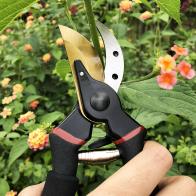
Don’t pull the pods to avoid breaking the plants. Use a sharp knife or pruning shears instead, leaving a short stub on the pods. You may want to wear gloves, since some varieties have sticky spines.
Harvest often and the plants will produce until they’re killed by frost. In the South, okra plants can reach 8 feet tall (the stems are sturdy, however, and don’t need staking). If desired, prune them back by about 1/3.
Okra Pests and Diseases
Few pests or diseases bother okra. Fusarium wilt can cause the foliage to turn yellow and wilt. If it appears, pull and destroy the diseased plants. Don’t plant okra in the same spot next year; rotating crops can help prevent or control problems.
If your okra pods and plants look deformed or distorted, suspect aphids, leaf footed bugs or stink bugs. Holes in leaves can be a sign of corn earworms or Japanese beetles. Hand pick and remove big pests; then drop them into a bucket of soapy water. Check with your local extension service office for other control measures.
Smaller insects, like aphids, can be knocked off with a stream of water from your garden hose. If they persist, use an insecticidal soap, following label directions.
Storing Okra
Refrigerate the okra pods to store them, but don’t wash them until you’re ready to use them. The pods will last for a few days. For long-term storage, okra can be canned or frozen.


