





7 High-Yield Tomato Varieties to Plant to Avoid Soaring Supermarket Costs
As tomato prices climb, grow your own and save your grocery budget with this guide to the most productive varieties.

What's a BLT sandwich without the "T"? Or a bowl of spaghetti without the sauce? Nutritious, delicious tomatoes are a summertime staple. Unfortunately, prices are skyrocketing this season, and some analysts predict they could continue to climb. One solution? Grow your own tomatoes and focus on high-yield varieties to make the most of your crop—and your budget.

Bonnie Plants/National Garden Bureau
‘Centennial’ tomato plants are determinates, which means they grow to a certain size and stop. But this highly productive variety is good for growing in containers.
Why Are Tomato Prices So High?
The rising cost of tomatoes—it increased by 23% in the last year—is primarily due to import tariffs, according to a recent report. About 2/3 of our fresh tomatoes come from Mexico. Also, they're also shipped across the U.S. on trucks that use diesel fuel, the price of which is near a record high.
7 High-Yield Tomato Varieties
Growing tomatoes in containers, raised beds or gardens helps keep more green (money) in your wallet, and home-grown tomatoes usually taste better, anyway. The secret is choosing productive varieties. This guide to 7 high-yield tomato varieties isn't listed in order by the most productive, because many factors can affect your harvest. Instead, it includes growing conditions like, soil, sunlight, watering practices and temperatures. Pests and diseases also affect yield, as do proper staking, rotating crops and pruning. In general, hybrids are more productive than heirlooms.
'Better Boy'

Seminis
Classic 'Better Boy' plants grow and produce until frost.
When you plant 'Better Boy' tomatoes, you're growing a Guinness World Record holder. This popular, indeterminate variety needs staking, because the plants can reach 5 to 8 feet tall and bear lots of juicy tomatoes that weigh up to a pound. (One plant set the Guinness record by producing 340 pounds of fruit.) Wait until the nighttime temperatures are consistently above 55 degrees F. to transplant 'Better Boy' from seedlings or starts. This variety has excellent resistant to common tomato diseases like verticillium wilt, nematodes and fusarium wilt, and it's great for canning, slicing or making sauces.
'Big Beef'

Bonnie Plants
With its disease resistance and heat tolerance, 'Big Beef' is great for Southern gardens.
Another indeterminate variety, 'Big Beef' consistently ranks as one of the heaviest-fruiting tomatoes in home gardens. The big tomatoes grow from mid-summer until frost, and are widely adaptable and ready to harvest in about 73 days from transplanting. 'Big Beef' produces 10 to 12-ounce fruits with a rich, tomato taste on vigorous, disease-resistant plants that grow to 8 feet tall. This variety won an All-America Selections vegetable award in 1994. The tomatoes aren't prone to cracking or being tough or woody inside, unlike older beefsteak varieties.
'SuperSteak'

Burpee
'SuperSteak' tomatoes were bred as an alternative to more disease-prone heirloom types.
You'll have your hands full when you pick 'Supersteak' hybrid tomatoes, which can weigh 2 or more pounds per tomato. Ready in 75 to 80 days, they're great for slicing on sandwiches or eating fresh. Give the disease-resistant, indeterminate plants strong supports, as they can grow 6 to 8 feet. The fruits have a mild, rich tomato flavor. Some gardeners have harvested 17 to 22 pounds of tomatoes per plant in a season.
'Ailsa Craig'

Shutterstock/Peter Turner Photography
A traditional English breakfast might include 'Ailsa Craig' tomatoes.
Prolific 'Ailsa Craig' is an English variety prized for its sweet, slightly tangy taste. The early-to-ripen fruits are medium-sized, typically weighing 2 to 4 ounces each. Each plant can produce about 15 pounds of fruits in approximately 75 days. Tomatoes grow in clusters on these indeterminate plants, which can mature at 5 to 8 feet tall. Named for a small island off the west central Scottish coast, 'Ailsa Craig' is sometimes grown in greenhouses in Great Britain, because the plants need sun and shelter from harsh weather.
'Sungold'

Mary Beth Shaddix
'Sungold' cherry tomatoes are the sweetest when they're allowed to ripen to golden orange.
Give indeterminate 'Sungold' vines strong stakes or other supports, and they'll reward you with hundreds of orange-gold cherry tomatoes held in clusters. This variety consistently wins tomato taste tests for its one-ounce fruits, which mature in just 65 days and have a tart, sweet flavor described as tropical. The plants typically grow to be 5 to 7 feet tall, though they can reach 10 feet. The crack-resistant tomatoes are produced continuously, and the plants resist Fusarium and Verticillium wilts, as well as tomato mosaic virus.
'San Marzano Redorta'
Julie Martens Forney
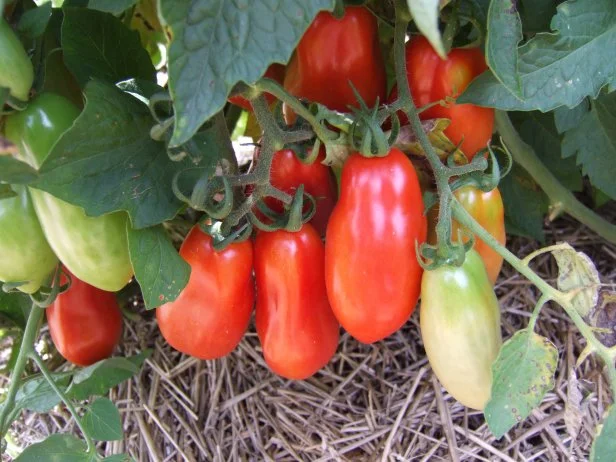
‘San Marzano’ roma tomatoes are held in clusters, which makes harvesting easy.
Want a high-yielding tomato for sauces, pastes and soups? 'San Marzano Redorta' is a very productive heirloom related to the classic 'San Marzano' variety, and an exception to the rule of thumb that hybrids are usually more productive. Its indeterminate vines can reach 3 to 4 feet tall, and they're loaded with plum-shaped, 4-inch fruits that can weigh up to 11 ounces each. Ready in about 72 to 83 days, the meaty tomatoes don't have many seeds, so they're good for sauces, eating fresh or canning. This disease-resistant variety takes its name from an Italian mountain and is late to mature; expect it to be ready to harvest in about 80 days.
'Super Sweet 100'

Shutterstock/Shannon Birchler
Popular 'Super Sweet 100' F1 tomatoes produce all season long.
Cherry tomato 'Super Sweet 100' (sometimes called 'Supersweet 100') is a candy-sweet, indeterminate hybrid packed with Vitamin C. This variety bears quarter-sized, one-ounce tomatoes held in clusters, with 15 to 20 fruits per cluster. The disease-resistant, vining plants grow 60 to 72 inches and need supports like stakes or trellises if they're grown in beds or large containers. You can also grow them against a fence or in hanging baskets. Great for popping in your mouth when you're harvesting them or adding to salads, they're ready to pick in about 70 days.


