




7 Container Gardening Hacks for Stunning Blooms, According to a Professional Gardener
Get easy, expert tips to make flowers thrive while saving your time, money and soil.


ProvenWinners.com
Beautiful container gardens may look effortless, but they’re built on smart, often unseen decisions. With a few strategic tweaks to your approach, you can create displays that are not only stunning, but also highly efficient and cost-effective. To learn how to make the most of your time, space and gardening dollars, we asked George Gaia Holmes, a professional gardener and estate manager, how to create high-impact container gardens. Their advice includes practical, budget-friendly tricks as well as professional techniques that improve drainage and boost blooms. From what to put at the bottom of pots, to how to position them for maximum impact, these simple upgrades can transform your containers from basic to breathtaking.
Choose Larger Containers to Support Bigger Blooms

Getty/Natalia Ganelin
When it comes to flowering performance, size really does matter. Start by choosing a pot that supports the plant’s recommended spacing and root depth, not just its current size. It can be tempting to match the container to the plant's current appearance, but going too small can restrict root growth and limit flowering as the plant matures. Think of it as a balance between giving roots enough room to expand and avoiding a container that is too large for the plant to establish easily.
Get that balance right, and the payoff shows up quickly in your plants' performance. Larger containers give roots more room to grow, which directly translates to fuller, more prolific blooms. They also allow you to mix plants with varying root depths. “This gives you a much wider variety to choose from,” says Gaia Holmes. “You can even do seasonal displays around trees in pots to great effect.”
Fill Containers with Lightweight Materials to Save Soil (and Money)

Large containers can require a surprising amount of potting mix, but you don’t have to fill them entirely with potting soil. Instead, add lightweight materials like overturned nursery pots, foam, or sticks to the bottom third. Gaia Holmes recommends starting with broken pieces from old pots over the drainage hole to prevent clogging while still allowing water to flow freely. “Start with a large curved one rising over the drainage hole like a rainbow,” they suggest, “So long you angle them correctly, it protects the drainage hole from being blocked and your display becoming a swampy mess!”
Build a Layered Soil System for Stronger Roots

Getty/Pavle Bugarski
A thriving container starts below the surface. Skip garden soil altogether. Containers need a lightweight, well-draining growing medium to support strong, healthy roots. Gaia Holmes recommends using a high-quality, peat-free compost mix, possibly blended with moisture-retaining granules and a small amount of granular feed. When shopping, look for container mixes specifically; or try making your own potting mix.
Feed Containers Consistently to Keep Blooms Coming

Rustic White Photography
Container plants rely entirely on you for nutrients, so proper feeding is key. “A good way to understand it is that fertilizer is the fuel, but not the accelerator,” says Gaia Holmes. Steady, moderate feeding keeps containers blooming without risking root damage.
With rising fertilizer costs, you don’t have to rely solely on synthetic options. Gaia Holmes recommends budget-friendly alternatives like homemade compost tea or liquid seaweed fertilizer. “Compost tea is always a winner. Simple and cheap to make and particularly sustainable when using your own garden waste to make it,” they say.
Consistency matters more than quantity, too, Gaia Holmes adds. Overfeeding can do more harm than good, leading to root burn and stressed plants, while a balanced approach supports steady growth and continuous blooms.

Shain Rievley
Group Plants by Growing Needs for Healthier Containers
A common mistake is designing containers purely for aesthetics without considering plant needs. While the classic “thriller, filler, spiller” method creates visual interest, all plants in the pot should share similar light and watering requirements to prevent stress and uneven growth. Mixing sun lovers with shade plants or drought-tolerant varieties with moisture-loving ones often leads to one group thriving while the other struggles. Over time, this imbalance can result in weak growth, fewer blooms and more maintenance.
However, if you group together plants with compatible needs, you will build a more dynamic display. “The best containers are ones with a heart of color and height from upright beauties and trailers billowing over to create something truly dramatic,” says Gaia Holmes. Prioritize growing compatibility first, then layer in height, fullness and trailing elements to create a container that is both healthy and visually striking.

Anthony Tesselaar Plants at Tesselaar.com
Position Containers for Optimal Light and Conditions
Placement can make or break your container garden. “Really, it comes down to ‘right plant, right place,’” says Gaia Holmes. Consider where your plants naturally thrive and match those conditions as closely as possible. Even small factors like wind exposure or reflected heat can impact moisture levels and overall plant health, so don’t be afraid to experiment and adjust. “Plants can be surprisingly adaptable, so don’t feel too put out if you are going against recommendations. You might just be onto something.”

Shutterstock/JulieK2
Maintain and Deadhead Regularly for Continuous Flowers
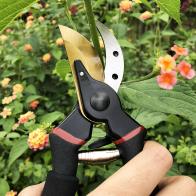
Regular maintenance is one of the simplest ways to keep containers looking lush. Deadheading spent blooms encourages plants to produce more flowers, while light pruning keeps growth tidy and healthy. “Smaller plants, such as violas and petunias, you can do this by hand," says Gaia Holmes. "For plants like dahlias, I recommend using snips to get a cleaner cut to prevent disease.”

They also recommend watering early in the morning. “This one trick makes a huge difference when it comes to your container’s resilience,” they say, adding that watering at the soil level helps protect leaves and blooms and reduces the risk of scorching. During hot weather, using saucers can help retain moisture, especially if you are away for a few days. “Having a small reservoir for them to access can be helpful, provided it is not too deep,” they say.
These small changes are easy to implement and can take your container garden to new heights. Don't be afraid to try something new, either. Sometimes, the best results come from a little experimentation along the way.


