Freezing Pears
Can you freeze pears? You sure can. Learn how to preserve succulent, juicy pears for yummy off-season eating.

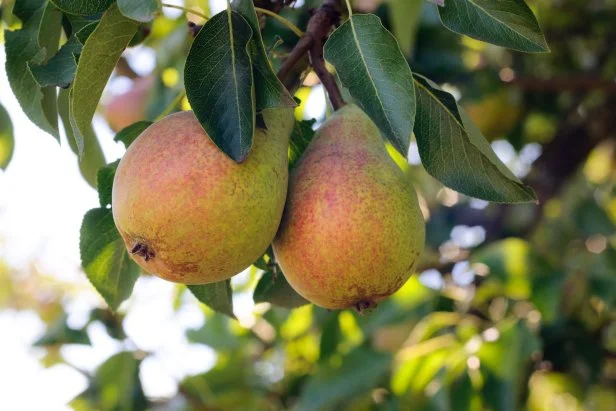
Shutterstock / tetiana_u
Fresh pears can finish a meal as an elegant, low-calorie dessert or make a delicious addition to morning cereal or oatmeal. Freezing pears extends the season of this tasty fruit beyond the traditional window, gracing your mealtimes with pear slices, sauce, pies or any other creation you can imagine. Learn how to freeze pears in ways that are simple enough for inexperienced cooks to master.
Steps for Freezing Pears
Shutterstock/Vesna Danity
Step 1: Prepare Fruit for the Deep Freeze Process
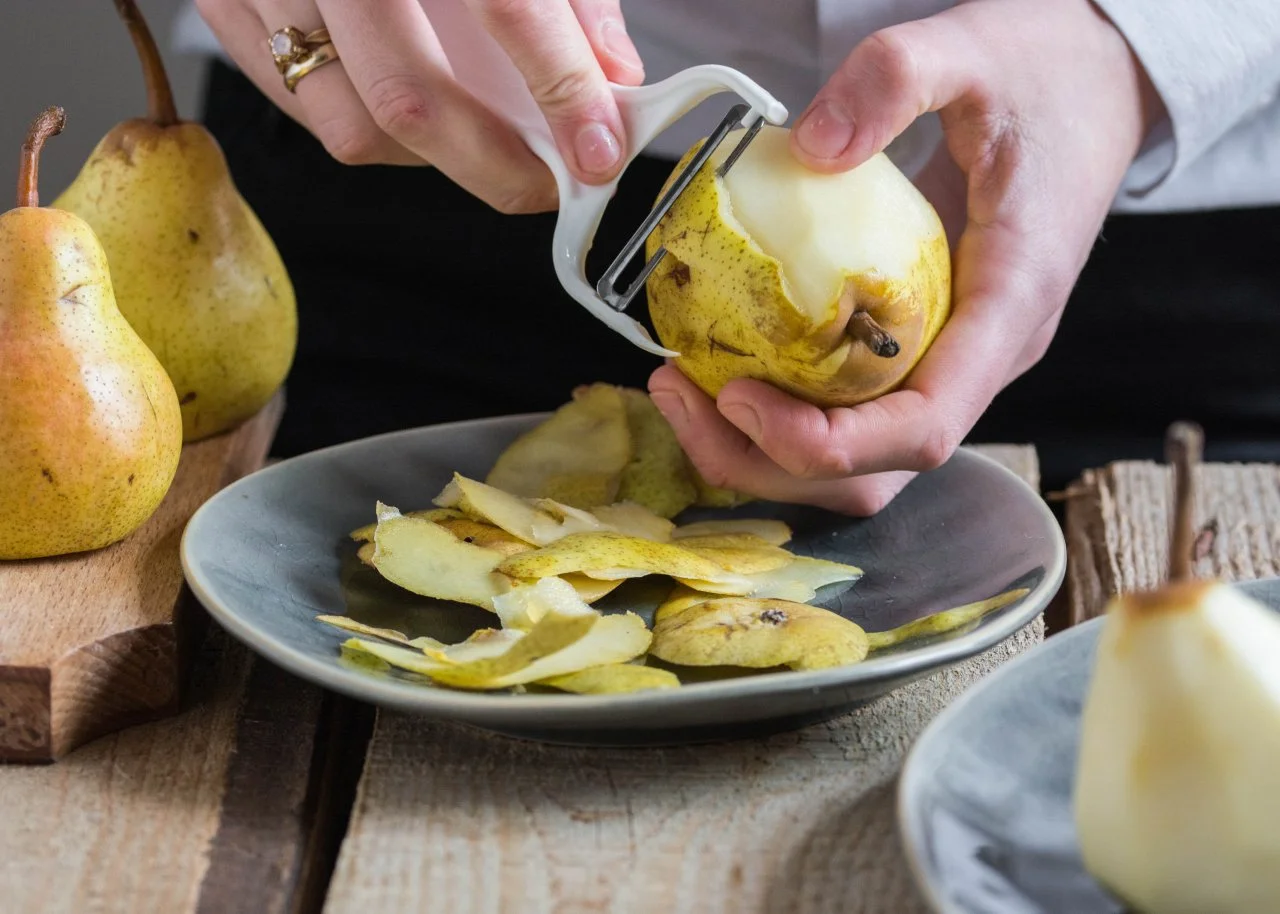
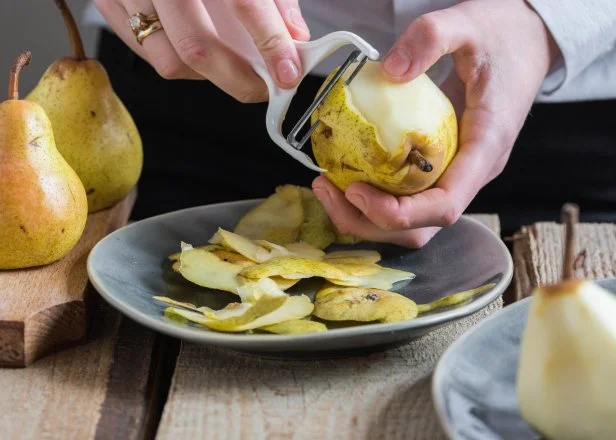
Prepare pears for freezing by washing fruit, peeling, and coring. Prevent cut pears from browning by soaking in one quart of water with either one-half tablespoon salt, three-quarter teaspoon ascorbic acid (often sold as Fruit Fresh), or 3 tablespoons lemon juice. Drain fruit before preparing further for freezing. If using salt, rinse pears before moving to the next step.
Step 2: Pick Your Freezing Method
You can tackle freezing pears in one of several ways. Decide which method to use based on how you plan to use the finished frozen fruit — or what type of pears you have available. If you want to use frozen pears in an uncooked method, such as a fresh fruit side dish, use the syrup pack method. This method is also the best choice when you start with pears that are on the firm side.
Shutterstock/Ahanov Michael
Use the Sweet Syrup Method
In the syrup pack method, you create a sweet syrup to cover pears. The recommended syrup concentration for pears is a 40 percent or medium syrup. To make this, dissolve three cups of sugar in four cups of warm water. You can also lighten this syrup to as little as one cup of sugar for every four cups of water. If you need a no-sugar recipe suitable for diabetics, search online. Pears do best with some sugar — it helps the fruit retain flavor, color and shape.
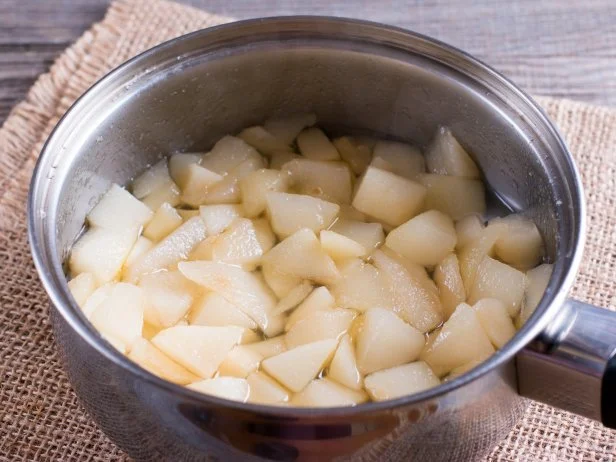
Boil the sugar-syrup solution and add pears. Boil for two minutes. Cool both the fruit and syrup, and then pack pears into freezer containers, leaving one-half inch of headspace. Cover pears with the cooled syrup. To avoid fruit discoloration, keep pears submerged in syrup by filling the headspace with crumpled parchment or wax paper.
Use the Sugar Method
To use pears in pies or other cooked dishes, choose either the sugar or dry pack (below) method. For the sugar method, sprinkle pear pieces with sugar, and let them sit for 10 to 15 minutes. The goal is to have the sugar dissolve and form a light syrup. The usual sugar volume is one-half cup per quart of pears, but you can vary this based on your own flavor preference. Pack sugared pears into freezer bags or containers. Leave one-half inch of headspace in containers.
Use the Dry Pack Method
In the dry pack method, treat sliced pears to prevent browning, and place pears on a parchment-lined baking sheet. Slip the sheet into the freezer until pears are frozen. Pack them into freezer bags, removing as much air as possible. If your pears are destined for pie, try freezing pear slices in a parchment- or plastic wrap-lined pie pan. Once pears are frozen, slip them into a freezer bag. They'll be ready to drop into a pie crust and bake—no thawing required. Just use a slightly longer baking time.
Pear Recipes to Try


Use the Unsweetened Pack Method
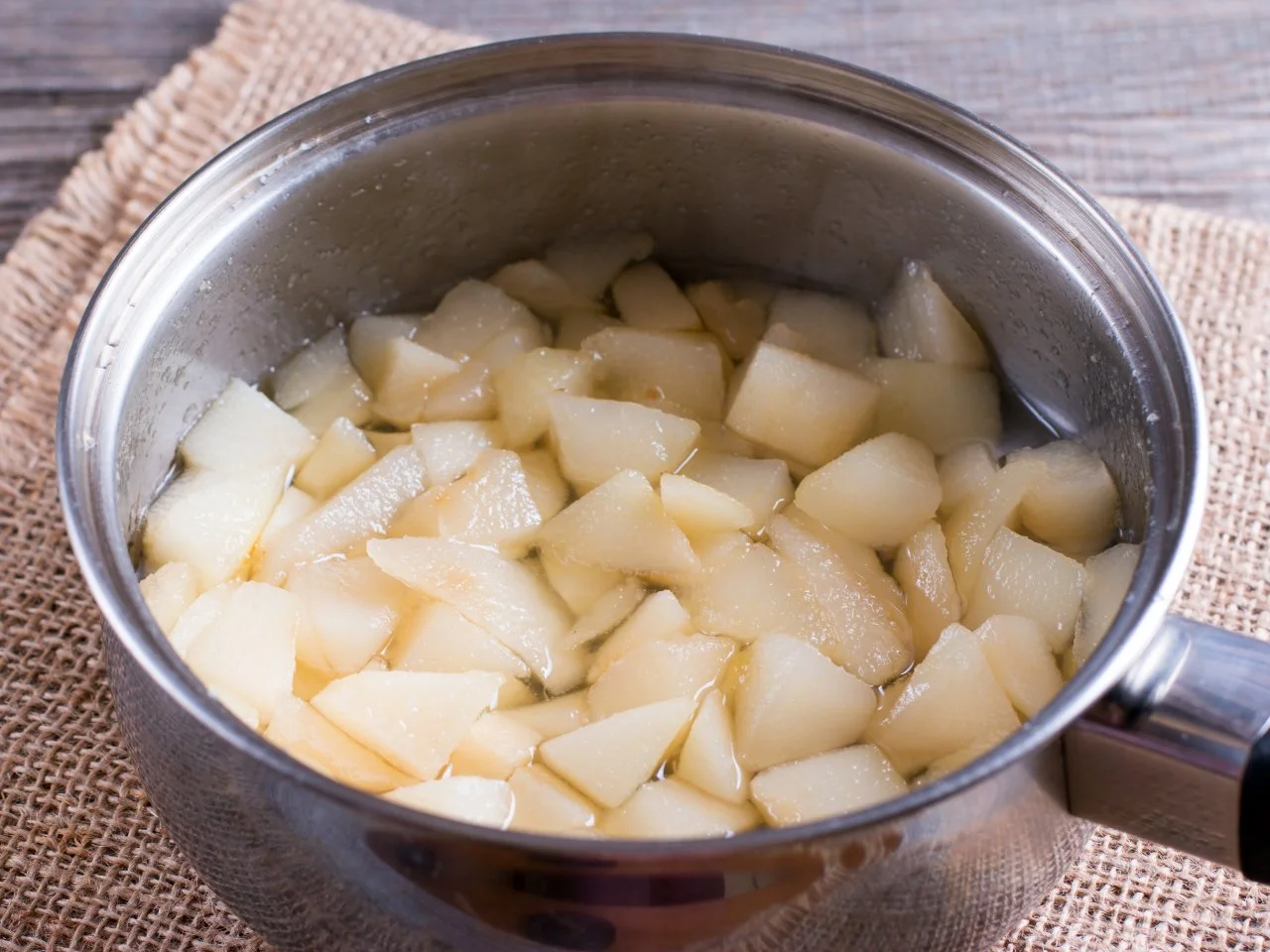
If you'll ultimately use your pears to make sweetened sauce, jam, or fruit butter, use the unsweetened pack method. Heat pears in boiling water or apple or white grape juice for two minutes. Cool, and pack into freezer containers, leaving one-half inch headspace. Use crumpled parchment or wax paper to keep pears submerged in solution to prevent browning.
15 Top Fruit Trees for Home Gardens
See All Photos


How to Freeze Fruit
Learn methods for freezing fruit so you can have fresh taste long after the growing season ends.