

Growing Virginia Creeper Vine
Looking for a vine with stunning fall color? Virginia creeper delivers. Learn how to grow this low-maintenance perennial vine.

When it comes to vines, Virginia creeper (Parthenocissus quinquefolia) is a rocket aiming for the sky. This native vine easily grows 30 feet in a single growing season — and often tops 50. It’s known for scaling trees, telephone poles along woodland edges and railways, or rocky bluffs along riverbeds.
Proven Winners at ProvenWinners.com
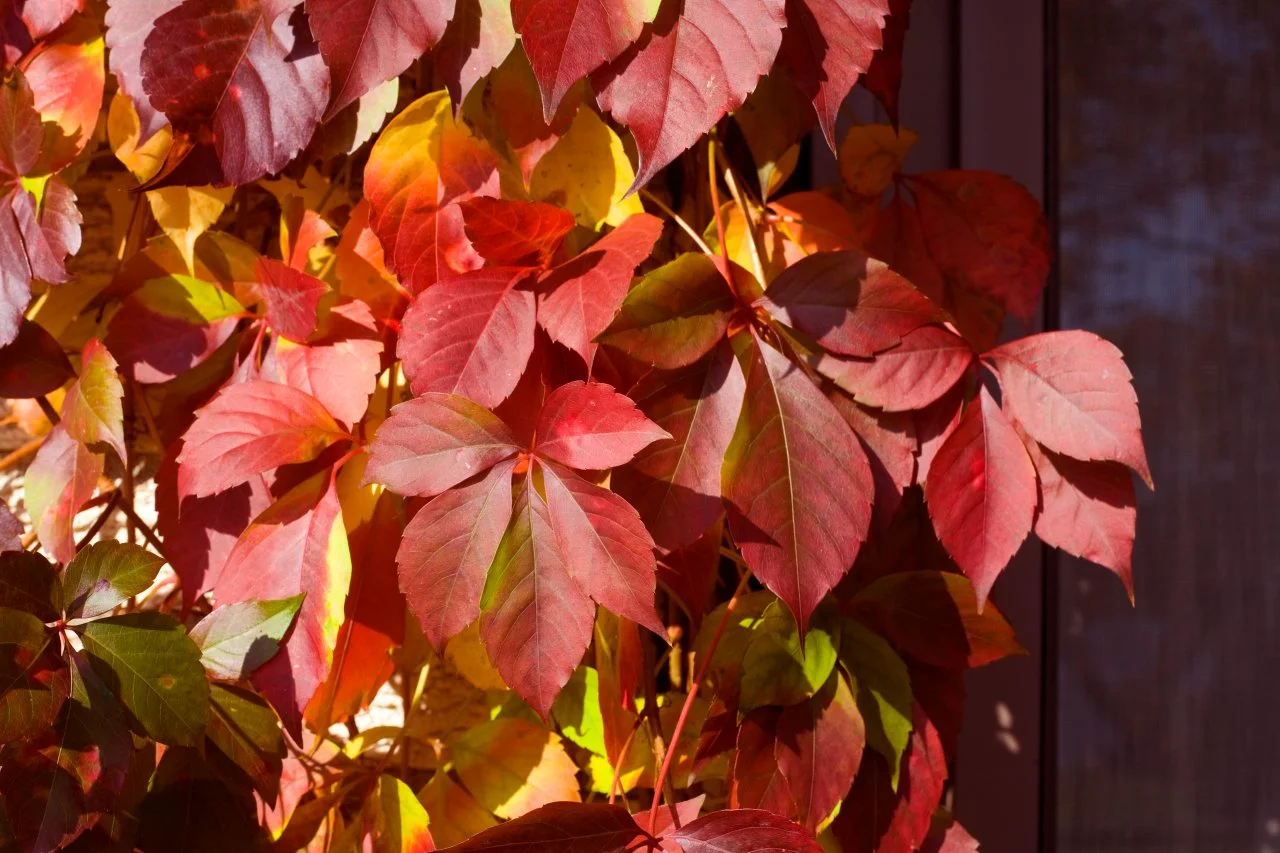
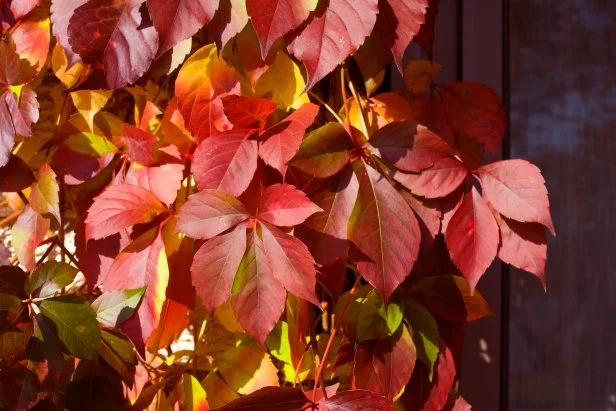
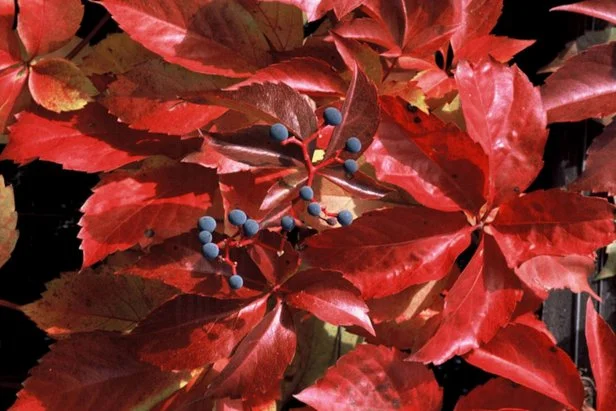
Red Wall Virginia creeper (Parthenocissus quinquefolia 'Troki') is a perennial vine that stages stunning fall color. During the growing season, leaves are green, but when autumn arrives, hues shift to blazing shades of red.
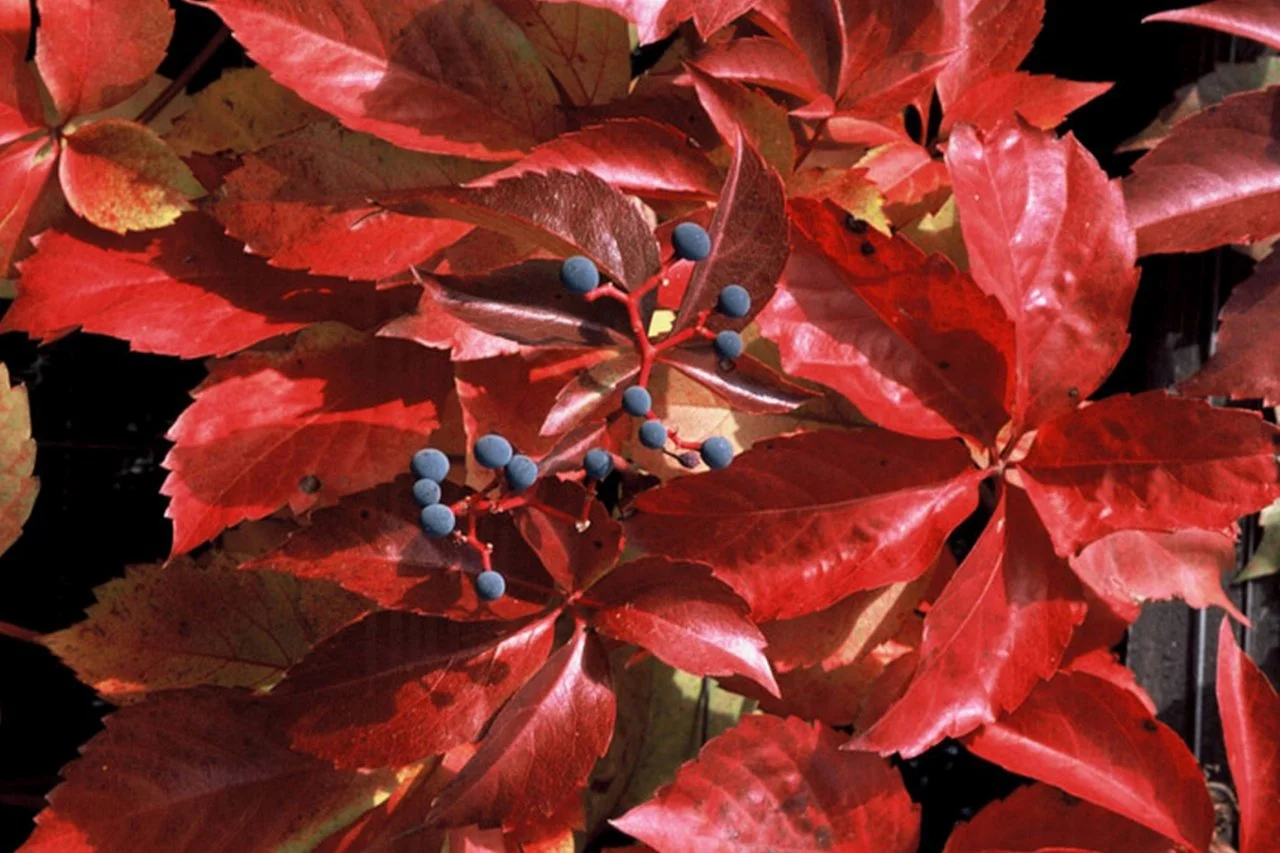
Virginia creeper’s native habitat stretches from southern Canada to Guatemala, including the Eastern and Central United States. The leaves are distinctive, divided into five leaflets. Young growth may unfurl just three leaflets, which is why Virginia creeper is often confused with poison ivy (which always has three leaflets). During the growing season, leaves emerge red-purple tinted, mature to dull green and turn shades of brilliant red in autumn.
Hardy in Zones 3 to 9, Virginia creeper is basically bulletproof. Drought tolerant, it grows in any soil (poor, rich, wet, dry) or light (sun or shade). Deer leave it alone, but Japanese beetles do feast on its leaves.
Shutterstock/Virginia Creeper
Virginia Creeper in the Landscape
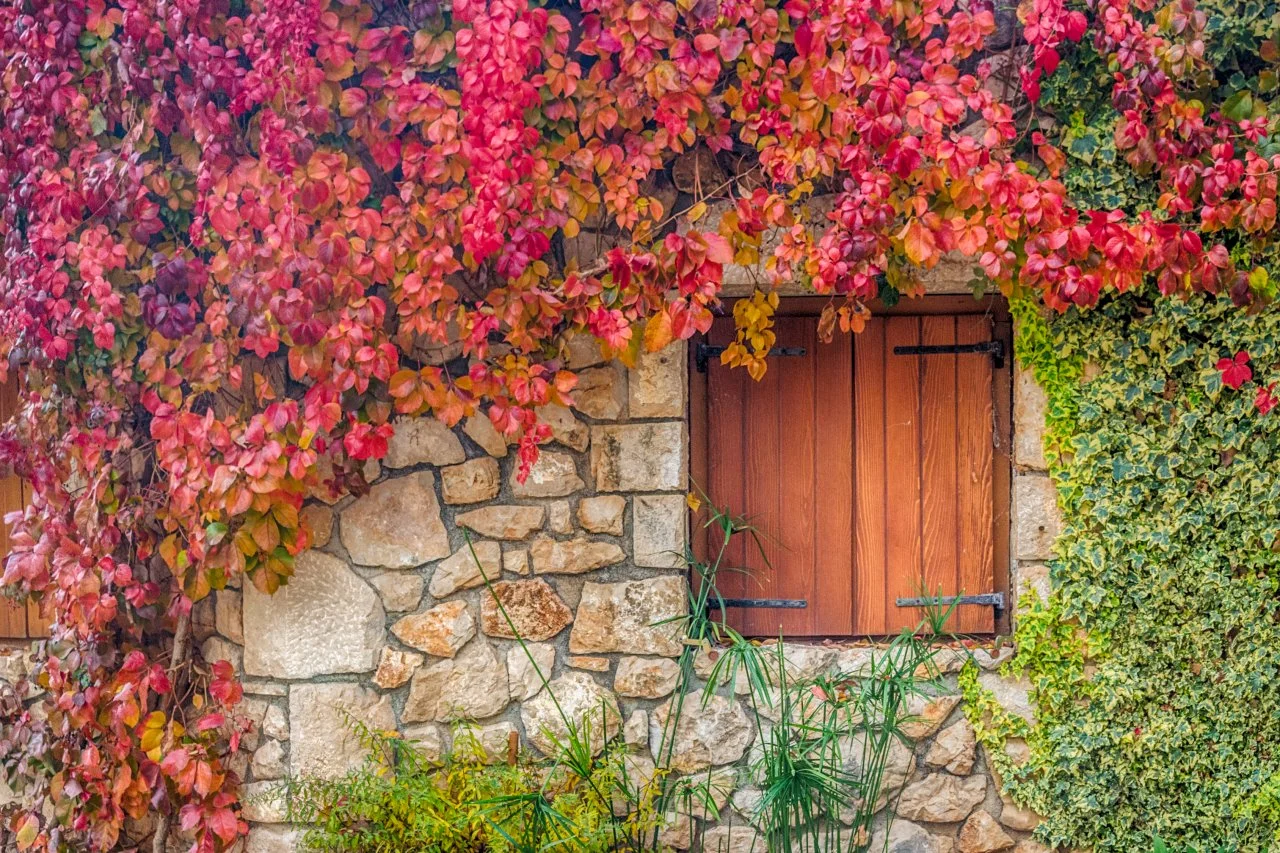
Virginia creeper climbs using tendrils that grasp and twine. Each tendril has a small adhesive holdfast or sucker disk at the end of it that attaches to objects, enabling the vine to climb structures like walls and trees.
The Best Vines to Grow on Arches and Pergolas 12 Photos
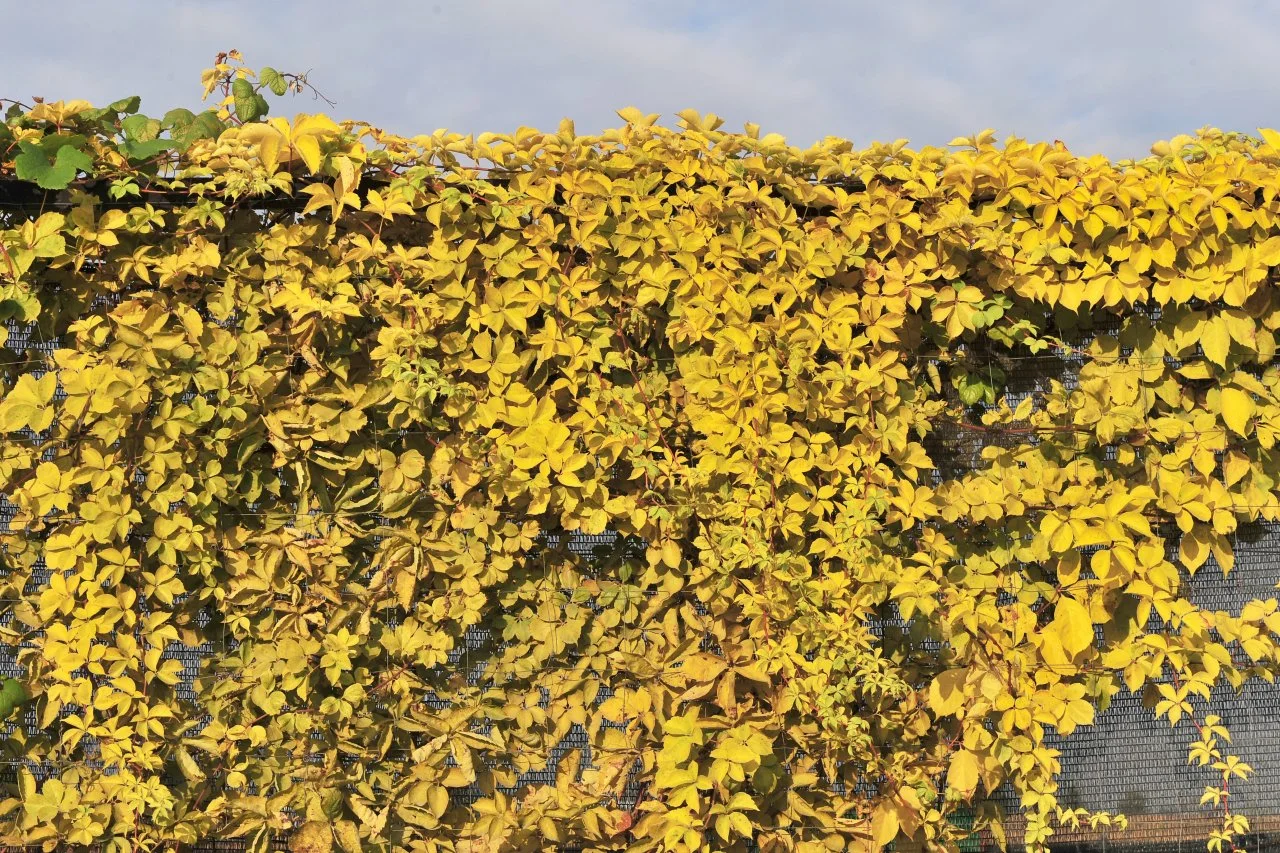
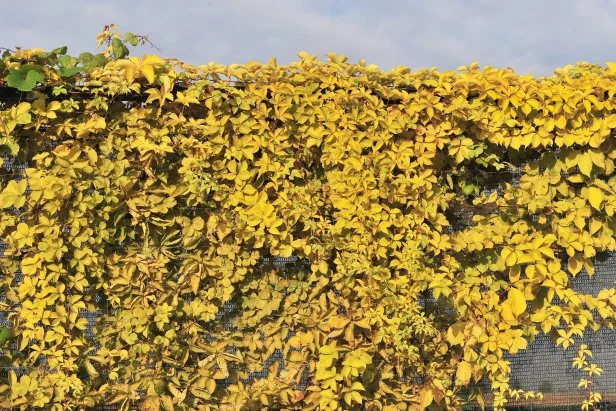
Give your yard picturesque beauty by draping structures with beautiful, easy-growing vines such as 'Yellow Wall' Virginia Creeper
Once Virginia creeper is anchored, it’s tough to remove. Pulling off a live vine typically leaves behind bits of tendrils and holdfasts. The best way to remove Virginia creeper is to kill the vine first (by cutting it off at ground level). Over time the tendrils and disks will release their grip and be easier to remove, although they’ll still leave a mark, especially on surfaces like wood or vinyl.
When training Virginia creeper to cover a structure, install a trellis about 3 feet away from a wall. This permits airflow between vine and wall and gives you room to tend the vine. Keep the vine trimmed, because it can damage gutters, shutters, fascia or wires attached to a home.
In the landscape, Virginia creeper provides excellent erosion control because its stems root where leaves appear, helping to stabilize a bank or slope. It also works well as a groundcover or to hide things like a stump or rock pile.
Proven Winners at ProvenWinners.com
Potential Issues
In some areas, Virginia creeper is considered invasive. The vines open inconspicuous flowers, which fade to form berries. Birds eat the berries and drop seeds, which is how this vine can suddenly appear in a planting bed or garden. If you spot a Virginia creeper seedling in your yard, pull it as soon as you can. If you let it grow, it can overtake desirable plants, blanketing and potentially killing them.
Use care when handling Virginia creeper because each part (including sap) contains tiny calcium oxalate crystals. If you’re sensitive, these crystals can produce skin irritation and blisters.
Proven Winners at ProvenWinners.com
Virginia Creeper Varieties
Look for these varieties of Virginia creeper at garden and home centers.
- Red Wall ('Troki') — Brilliant red fall color. Good for blanketing a fence with living color; not recommended for planting near buildings.
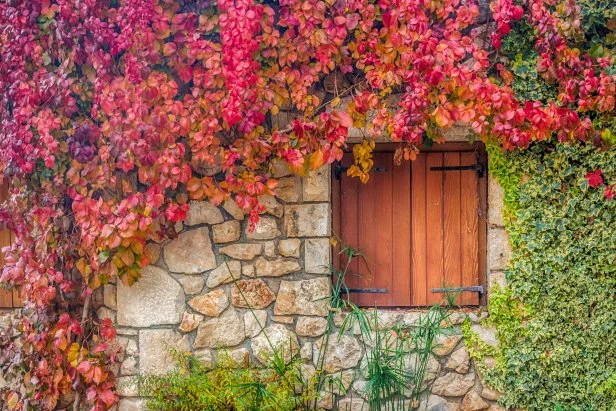
- Yellow Wall — Bright gold fall color (above). Best on fences for a living wall. Consider planting with Red Wall for a strong autumn show.
- Engelman — Smaller leaves and dense growth make this vine a good choice for small gardens. Clings to structures more readily than the native species.
- Variegata — Yellow and white variegated leaves turn pink and red in autumn. Less vigorous growth, making it a good choice for smaller yards.
- Star Showers ('Monham') — Green leaves are smaller and have heavy white speckling resembling paint splatter. Shifts to pink tones in fall.