
Next Up

20 Weeding Mistakes Almost Every Gardener Makes

July 08, 2026

More plants, fewer weeds. If only it were that simple. These are the weeding mistakes you need to avoid if you want your garden to thrive this growing season.

Photo: Preen.com
Scroll For More Photos
1 / 21

How to Avoid These Common Weeding Mistakes

While you may think a weed-free garden or lawn is all about vanity, removing weeds can directly impact the health and success of your plants and grass. Weeds compete with desirable plants for water, sunlight and soil nutrients, reducing their vigor and, in some cases, lowering yields or even killing young plants. From choosing the right herbicides to knowing the best time to pull weeds, avoiding these 20 common weeding mistakes will make weed control easier and help keep your landscape healthy.

More photos after this Ad

Photo: Preen.com
2 / 21

Pulling Weeds From Dry, Compacted Soil

Pulling weeds from dry, compacted soil is nearly impossible. More often than not, the weed will simply snap apart, leaving much of the root system behind to grow another day. Instead, pull weeds after rain or a deep watering, when the soil is soft and the roots release much more easily.

Fast and Easy Weeding Tips

More photos after this Ad

Photo: Shutterstock/nataschen
3 / 21

Forgetting Your Gloves

Thinking about weeding with bare hands? Trust us, it's a bad idea. From thorns and insect bites to blisters and irritating plant sap, there are plenty of ways your hands can take a beating. A sturdy pair of gardening gloves helps protect your skin and makes long weeding sessions much more comfortable.

Shop the Best Gardening Gloves

More photos after this Ad

Photo: Shutterstock/Beekeepx
4 / 21

Scalping the Lawn to Prevent Weeds

Many homeowners believe mowing the lawn extremely short will help prevent weeds. While it may appear to reduce weeds at first, scalping actually weakens many types of grass, creating thinner turf and exposed soil where weeds can more easily germinate and spread.

Mowing Tips for a Great Lawn

More photos after this Ad

Photo: Shutterstock/Joanne Dale
5 / 21

Over-Spraying Herbicides

Spraying herbicides requires precision, as applying too much product increases the risk of damaging nearby plants while wasting time and money. Follow the label directions carefully, and when spraying near desirable plants, use a shield or other barrier to help prevent accidental overspray.

More photos after this Ad

Photo: Shutterstock/nito
6 / 21

Putting Off Weeding

The longer weeds are left alone, the larger and more established they become, making them much harder to remove. Waiting also gives many weeds time to flower and produce seeds, creating an even bigger weed problem for future growing seasons. Instead, remove weeds when they're young and easy to pull.

Year-Round Outdoor To-Do List

More photos after this Ad

7 / 21

Ignoring Weed Identification

Not all weeds should be treated the same way, so identifying them first can save you a lot of time and frustration. Annual weeds like crabgrass and common chickweed are often controlled by pulling them before they go to seed, while perennial weeds like dandelions and Bermuda grass can regrow from roots left behind. Knowing what you're dealing with helps you choose the most effective removal method and avoid wasting time on treatments that won't work.

25 Common Types of Weeds

More photos after this Ad

Photo: Shutterstock/Viktor Sergeevich
8 / 21

Composting Your Weeds

While gardeners are used to composting just about everything they can, many weeds don't belong in the compost pile. Avoid composting weeds with mature seeds, aggressive spreading weeds like Bermuda grass, or diseased plants unless your compost pile consistently reaches temperatures high enough to destroy them.

The Benefits of Composting

More photos after this Ad

Photo: Shutterstock/Abo Photography
9 / 21

Treating Bare Soil

Unless the product label specifically recommends it, spraying herbicides on bare soil is usually a waste of time and money. Most post-emergent herbicides only work after being absorbed through actively growing leaves, making bare-soil applications largely ineffective. Pre-emergent herbicides may be useful, or you can simply wait until the weeds sprout before spraying.

More photos after this Ad

Photo: Shutterstock/Fabrizio Guarisco
10 / 21

Relying On Landscaping Fabric

Landscape fabric can certainly slow weed growth, but it rarely eliminates weeds altogether. Over time, weeds often emerge through planting holes, seams, torn sections or even the layer of soil and mulch that gradually builds up on top of the fabric. For better results, pair landscaping fabric with other weed-control methods, such as herbicides and hand pulling.

The Best Landscape Fabrics

More photos after this Ad

Photo: Shutterstock/Scott Habermann
11 / 21

Using the Wrong Herbicides

Not all herbicides work the same way. Some kill nearly any plant they touch, while others are formulated to target specific weeds without harming established grass. Choosing the wrong product can damage your lawn or garden while doing little to solve the weed problem. To avoid this, thoroughly research and match the product to your needs before applying it to your lawn or garden.

More photos after this Ad

Photo: Spruce / Spruceit.com
12 / 21

Using Herbicides On Windy Days

The fine mist created when spraying herbicides can easily drift beyond the target area on windy days. Even a light breeze may carry herbicide onto flowers, vegetables, shrubs or neighboring lawns, so it's best to spray only when conditions are calm.

More photos after this Ad

13 / 21

Spraying Pre-Emergent on Existing Weeds

Pre-emergent herbicides are designed to stop many weed seeds from germinating before they emerge. Once weeds are already growing, these products have little to no effect, making a post-emergent herbicide or hand-pulling the better choice.

More photos after this Ad

14 / 21

Killing All Weeds

While there's nothing wrong with maintaining a weed-free lawn or garden, not every weed is necessarily harmful. In some situations, leaving plants like dandelions and clovers can attract valuable pollinators, which can actually benefit your garden.

Plant for the Pollinators

More photos after this Ad

Photo: Photo by Lynn Coulter
15 / 21

Leaving the Roots

Always try to remove as much of the root system as possible instead of simply pulling off the leaves. Many perennial weeds, including dandelions and thistles, can regrow from roots left behind, meaning you'll soon be dealing with the same weed again.

More photos after this Ad

Photo: Image courtesy of Preen
16 / 21

Pulling Weeds After They've Gone to Seed

It's best to remove weeds before they flower and produce seeds. Waiting until seeds have matured increases the chances they'll spread around your lawn or garden, creating even more weeds to deal with in future seasons.

More photos after this Ad

Photo: Fiskars.com
17 / 21

Using Improper Tools

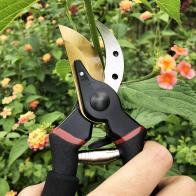
Trust us when we say that good weeding tools are a worthwhile investment. Hand weeders, hoes and dandelion diggers make it easier to remove weeds completely, helping you pull more roots with less effort while reducing strain on your hands and back.

Shop Our Favorite Weeding Tools

More photos after this Ad

18 / 21

Putting Too Much Mulch Around Trees

Mulch is an excellent way to suppress weeds, but piling it directly against a tree's trunk can trap moisture, encourage decay and promote girdling roots. Instead, leave a few inches of space around the trunk while keeping the mulch spread evenly around the root zone.

How to Mulch the Right Way

More photos after this Ad

Photo: Chris & Cami Photography LLC . From: Carolina Landscape
19 / 21

Mistaking Weeds for Plants

Some weeds look surprisingly similar to young vegetable and flower seedlings, making them easy to mistake for something you intentionally planted. Keeping plant markers or a simple garden map makes it much easier to identify which sprouts belong and which should be pulled.

More photos after this Ad

Photo: Kamron Sanders
20 / 21

Cultivating Too Aggressively

Cultivating is a great way to loosen soil and remove young weeds, but overdoing it can actually make weed problems worse. Aggressive cultivation brings buried weed seeds to the surface and can even spread certain perennial weeds by breaking up their roots. Shallow cultivation or hand pulling may benefit your garden more in the long run.

Shop the Best Tillers and Cultivators

More photos after this Ad

21 / 21

Using Bleach and Other Household Chemicals

Sure, bleach may kill weeds, but it isn't intended for weed control and can damage soil, nearby plants and surrounding surfaces in the process. When in doubt, stick with herbicides labeled for the job and always follow the manufacturer's instructions carefully.

How to Make Natural Weed Killer